Nairobi's Decade-Long Traffic Crisis Sparks Major Infrastructure Overhaul
A decade of mounting congestion and failed projects has finally pushed the city to reimagine its future—but the path to transformation remains steep.
A decade of mounting congestion and failed projects has finally pushed the city to reimagine its future—but the path to transformation remains steep.
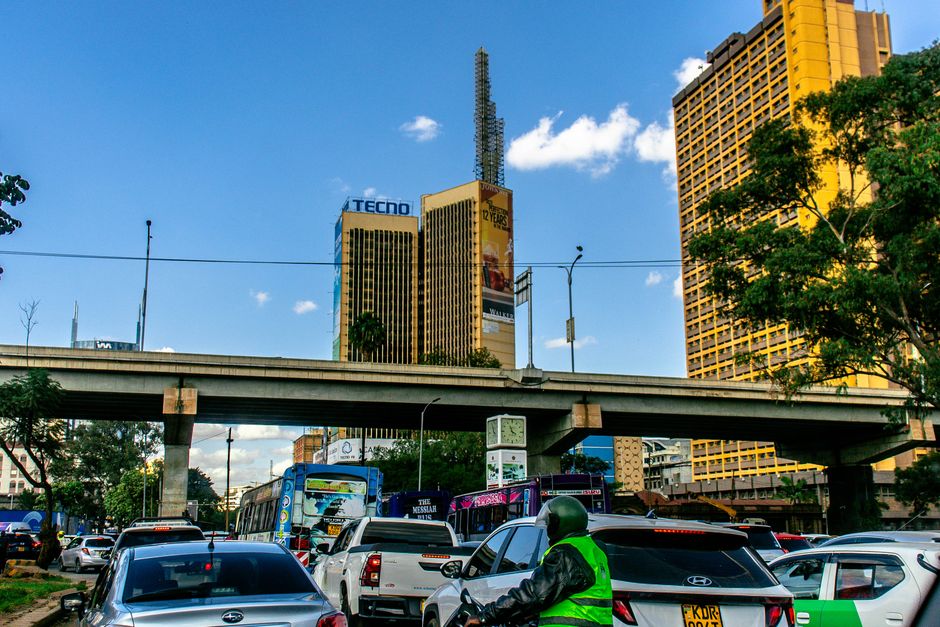
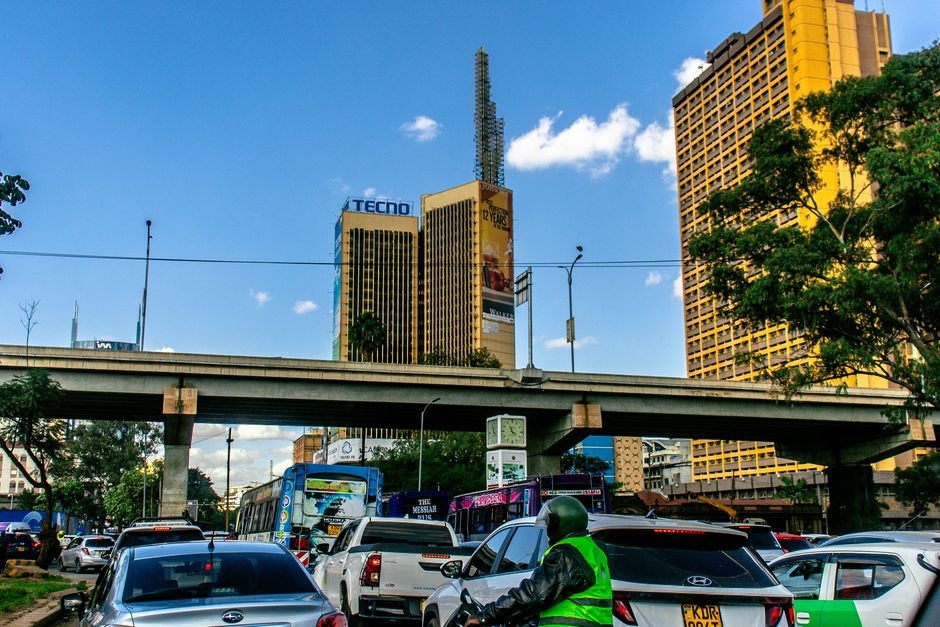
Drive along Mombasa Road during peak hours and the message is unmistakable: Nairobi's infrastructure is suffocating under the weight of its own growth. The gridlock that once confined itself to morning and evening rushes now extends through midday, turning a 20-minute commute into a 90-minute ordeal. This crisis didn't emerge overnight—it represents the culmination of decades of underinvestment, failed planning, and a city that simply outpaced the systems meant to serve it.
The numbers tell a sobering story. Nairobi's population has nearly doubled since 2009, from 3.1 million to an estimated 5.8 million today, yet the transport infrastructure has remained essentially stagnant. The Standard Gauge Railway, completed in 2017 at a cost of 5 billion shillings, was meant to revolutionise commuting. Instead, it carries a fraction of intended passengers, undone by high ticket prices and limited utility for daily workers navigating neighbourhoods like Eastleigh, Kayole, and Mathare.
The Nairobi Expressway, which opened in November 2022, represented the city's most ambitious toll-based infrastructure bet in decades. Yet even as it sliced travel time on select routes, it created a two-tier system: those who could afford the varying toll fees (ranging from 150 to 300 shillings depending on distance) versus the millions who couldn't. Commuters from South B and Westlands gained tangible relief, while residents in informal settlements saw little change.
What brought the city to this breaking point? Urban planners and transport analysts point to a combination of factors: rapid motorisation that doubled vehicle numbers every decade, insufficient public transport investment, and a chronic shortage of dedicated bus lanes on major arteries like Thika Road and Waiyaki Way. The Matatu sector, which ferries over 60 percent of commuters daily, remained largely unregulated and fragmented, a patchwork solution masquerading as system.
This crisis has finally catalysed action. The Nairobi Metropolitan Services has begun implementing bus rapid transit (BRT) corridors on Jogoo Road and plans similar networks across the city. The proposed Nairobi Integrated Transport Master Plan seeks to coordinate rail, buses, and cycling infrastructure for the first time. These aren't revolutionary concepts globally, but for Nairobi, they represent a fundamental shift from reactive construction to strategic planning.
Whether these initiatives will actually ease congestion remains an open question. What's clear is that the city's transport bottleneck forced a reckoning that years of stable traffic might never have triggered. Nairobi's gridlock, painful as it is, has become the catalyst for transformation.
This article was compiled by AI and screened before publishing. See our editorial standards.
How does this story make you feel?
Spread the word
About this article
Published by The Daily Nairobi
Daily brief
Free, in your inbox before 7am. Weekdays.
More in News