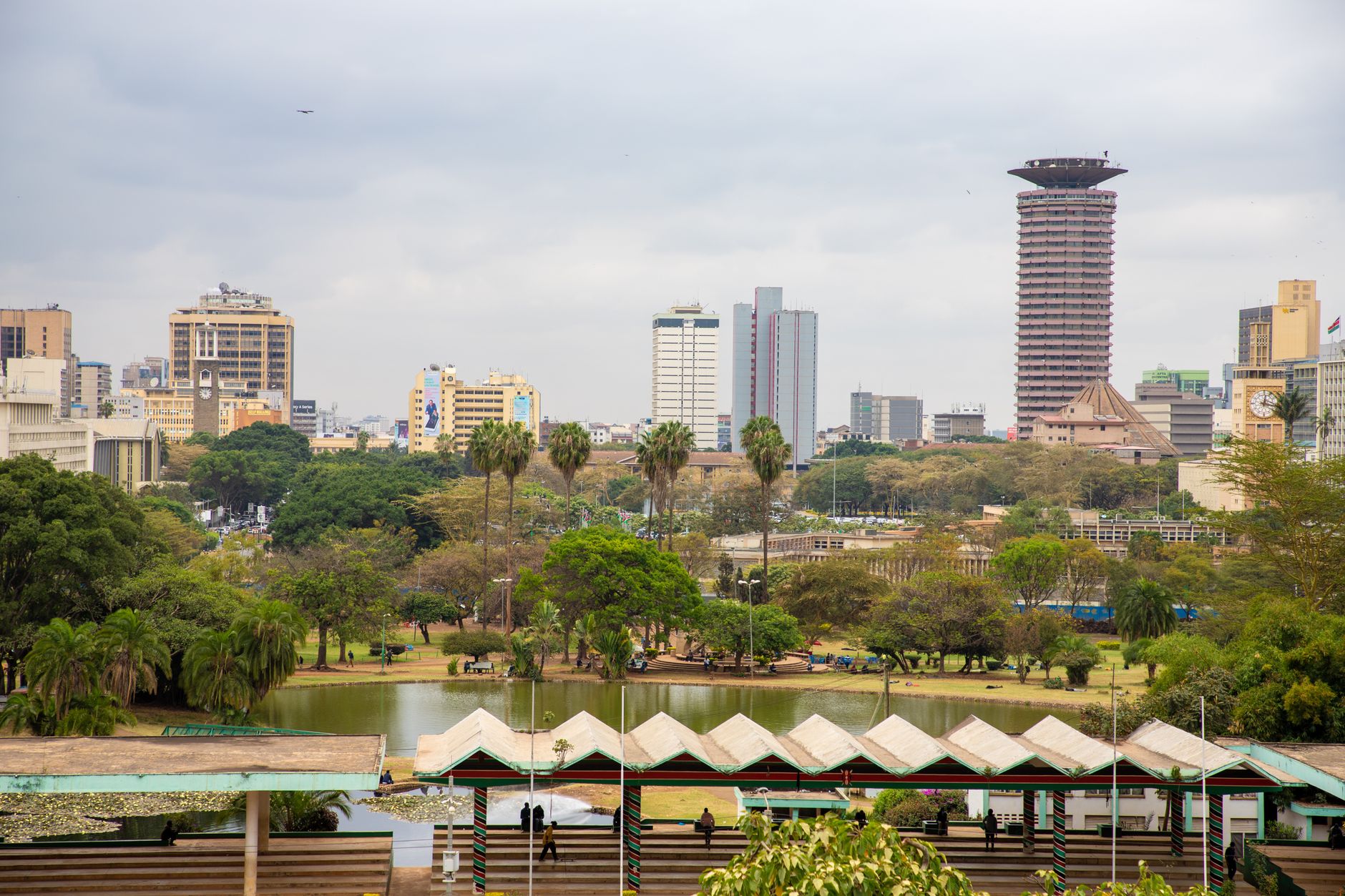
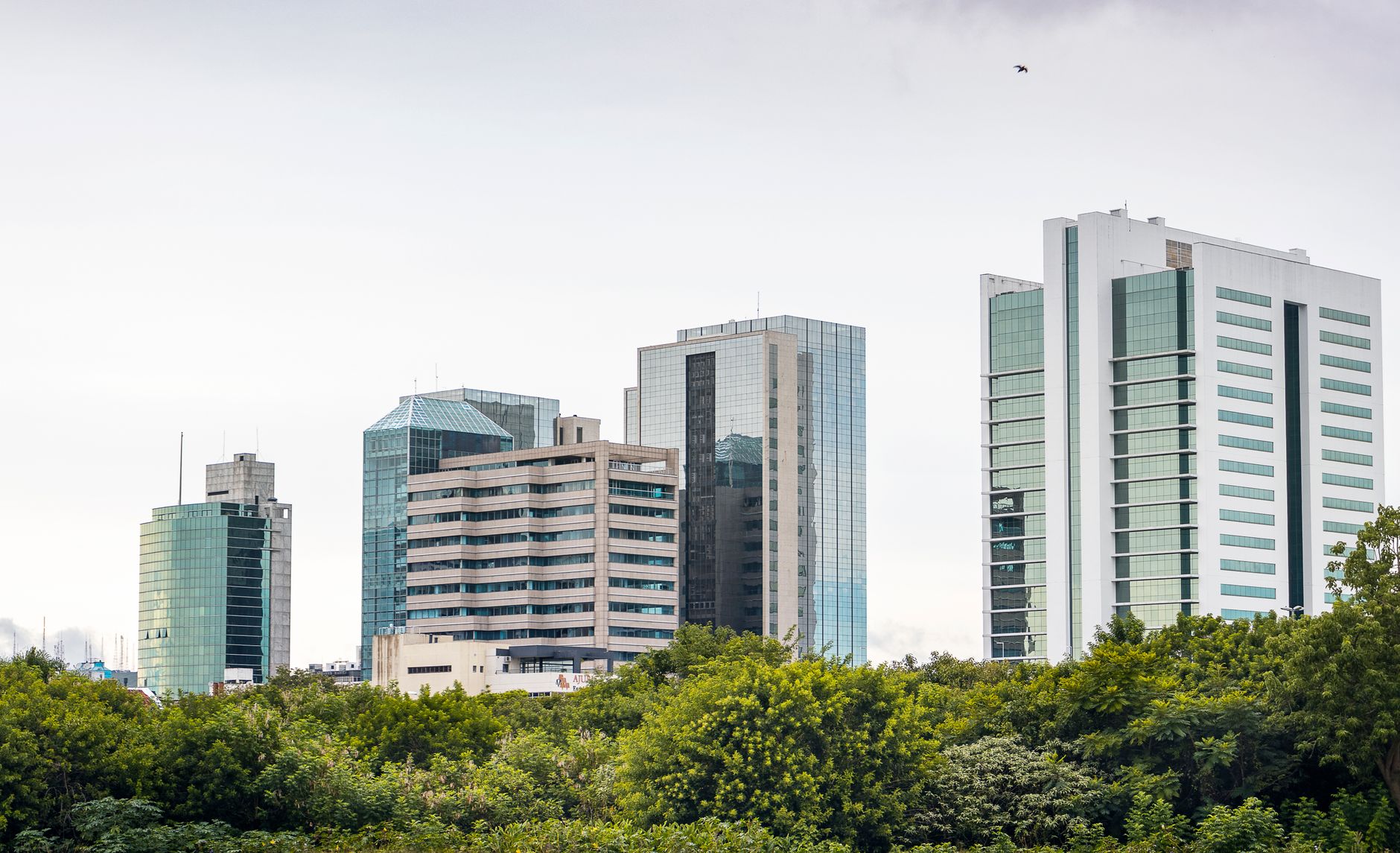
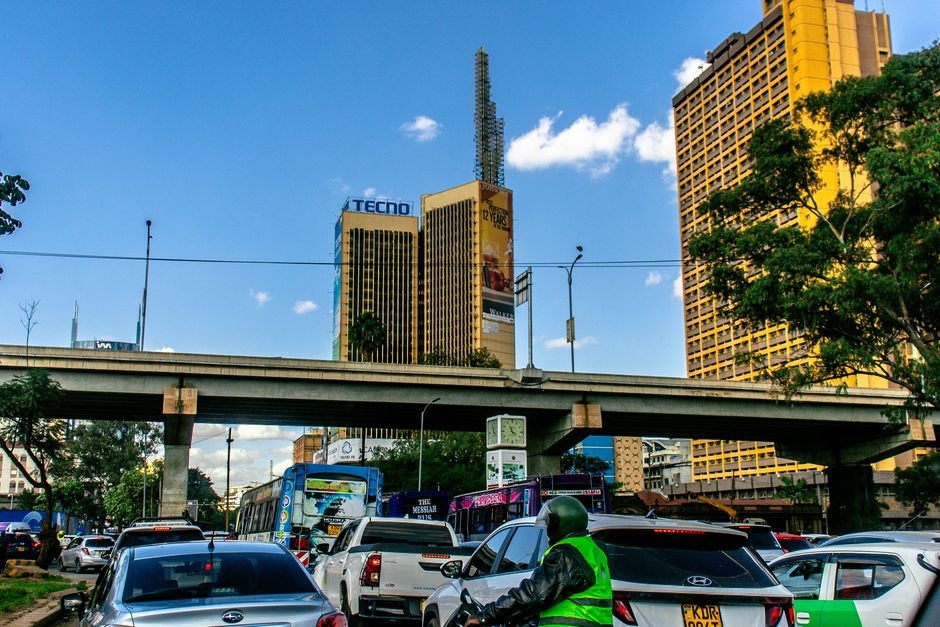
For commuters crawling along the Mombasa Road corridor during peak hours, relief may finally be coming. The expanded Nairobi Ring Road project, now entering its critical phase, represents the most ambitious transport infrastructure undertaking the city has seen in a decade—and its impact will ripple far beyond asphalt and concrete.
The 78-kilometre ring road, connecting Westlands, Parklands, Kasarani, Embakasi, and back through South B and Langata, promises to redirect traffic flows that have strangled neighbourhoods for years. Currently, an estimated 400,000 vehicles daily navigate Nairobi's congested arterial roads, with commute times in areas like Kilimani and Lavington routinely exceeding 90 minutes. The ring road could reduce these by 30-40 percent, according to transport analysts, freeing up time and reducing fuel costs for the average commuter.
But the immediate reality is grittier. Residents in Kasarani and parts of Embakasi have already experienced months of disrupted water and power supplies due to ongoing utility relocation. Small traders along affected routes—the vegetable vendors near the Nairobi National Park entrance, mechanics in Langata, and retail shops in Westlands—report lost business during construction phases. One estimate suggests informal traders in these zones have collectively lost millions in revenue.
The broader picture, however, offers compelling reasons for optimism. Improved transport networks historically attract investment. The Eastleigh neighbourhood, once isolated, saw property values rise 45 percent within five years of the 2B corridor upgrade. Similar spillovers could unlock economic potential in currently underserved areas like parts of Embakasi and Kasarani.
For public transport users—the majority of Nairobians—the implications are significant. Faster-moving traffic creates conditions for more efficient matatu and bus routes. Journey times to employment hubs in the CBD and Westlands could shrink dramatically, expanding job accessibility for workers in peripheral areas.
The Kenya Urban Roads Authority (KURA) estimates completion by mid-2028, with total costs around KES 180 billion. While completion dates in Nairobi have historically slipped, this project's significance has attracted sustained political and donor attention.
The real test isn't the engineering—it's whether Nairobi can translate infrastructure into equity. Done right, the ring road becomes more than congestion relief; it becomes a tool for spatial justice, connecting isolated communities to opportunity. Done poorly, it merely expedites inequality by accelerating vehicle movement while sidelining the 60 percent of residents who depend on public transport.
As dust settles on construction sites across the city, Nairobians wait to see which version emerges.
This article was compiled by AI and screened before publishing. See our editorial standards.