Nairobi Metro Extension Phase 2: SGR to Kitengela
Phase Two metro extension and Southern Ring Road works launch this month. Learn how Nairobi's 28km SGR expansion to Kitengela will reshape commutes and what delays to expect.
Phase Two metro extension and Southern Ring Road works launch this month. Learn how Nairobi's 28km SGR expansion to Kitengela will reshape commutes and what delays to expect.

Listen to this article · 3:40
The Nairobi Metropolitan Transport Authority confirmed on Tuesday that Phase Two of the Standard Gauge Railway metro extension will commence land acquisition procedures along the Southern Bypass corridor this month, marking the most significant transport infrastructure announcement since the original SGR launch in 2017. The 28-kilometre extension, budgeted at KES 287 billion, will connect the CBD to rapidly expanding residential zones in Kitengela and Kajiado County.
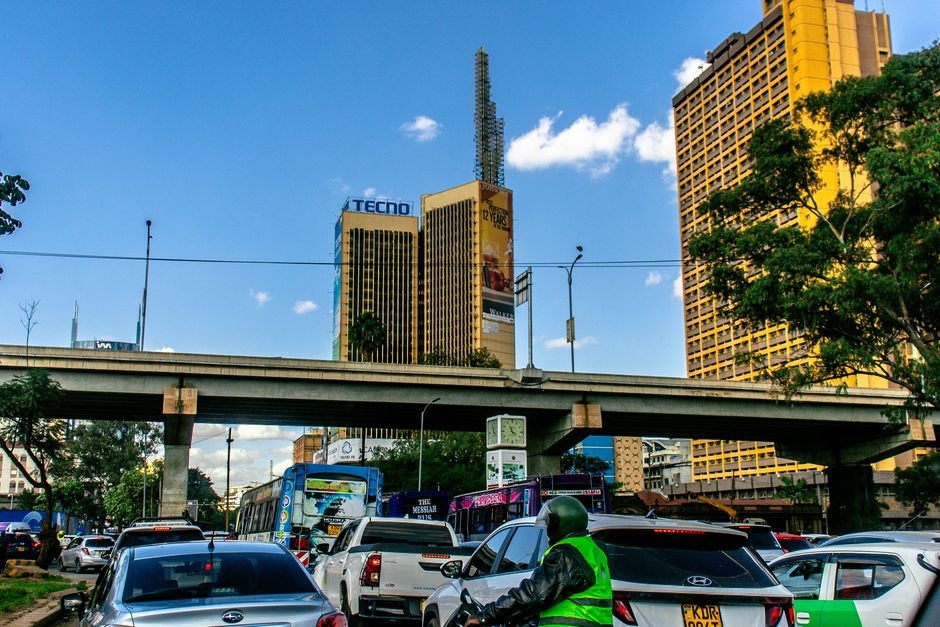
Meanwhile, the City County government announced that rehabilitation works on the Southern Ring Road—stretching from Mbagathi Way through Langata to the Nairobi-Mombasa highway—will intensify throughout July. Traffic management officials urged commuters to expect 40-minute delays during peak hours, particularly between 7am and 9am, with temporary lane closures affecting the stretch near the Carnivore restaurant complex and extending towards Karen.
The Nairobi Bus Rapid Transit (BRT) system, which has struggled since its December 2024 launch, reported modest improvement this week. Ridership increased 12 percent compared to June, with operators attributing gains to improved service frequency along the Outer Ring Road corridor. However, commuters remain frustrated by delays that average 18 minutes beyond schedule, with union representatives citing driver shortages and congestion at the Ngara and Museum Hill stations.
Perhaps most consequentially, the Transport Cabinet Secretary's office released preliminary findings from a feasibility study on the proposed underground metro system for central Nairobi. The report, due for full publication next month, indicates that a 15-kilometre underground line connecting Westlands through the CBD to Eastleigh could reduce rush-hour congestion by an estimated 23 percent, though construction would cost an estimated KES 450 billion and require a decade to complete.
City planners also highlighted emerging congestion challenges at the Jomo Kenyatta International Airport access roads, where construction of a new cargo terminal has created bottlenecks during weekday evenings. The airport authority announced that the terminal will open in Q4 2026, after which dedicated truck lanes are expected to ease pressures on the main thoroughfare.
Residents and business operators along affected routes expressed mixed reactions. While acknowledging the long-term benefits of these projects, many voiced concerns about short-term disruptions to livelihoods and commute times. The Infrastructure Development Consortium estimated that ongoing roadworks are costing Nairobi's economy approximately KES 3.2 billion weekly in lost productivity.
The convergence of these projects reflects authorities' ambitious timeline to transform Nairobi's transport landscape—though delivery risks remain substantial.
This article was compiled by AI and screened before publishing. See our editorial standards.
How does this story make you feel?
Spread the word
About this article
Published by The Daily Nairobi
Daily brief
Free, in your inbox before 7am. Weekdays.
More in News