Nairobi Launches Green City Blueprint This Week, Promising 300 Hectares of New Parkland by 2030
City Hall unveiled a sweeping emissions-reduction and urban greening plan on Thursday, but critics are already asking where the money will come from.
City Hall unveiled a sweeping emissions-reduction and urban greening plan on Thursday, but critics are already asking where the money will come from.
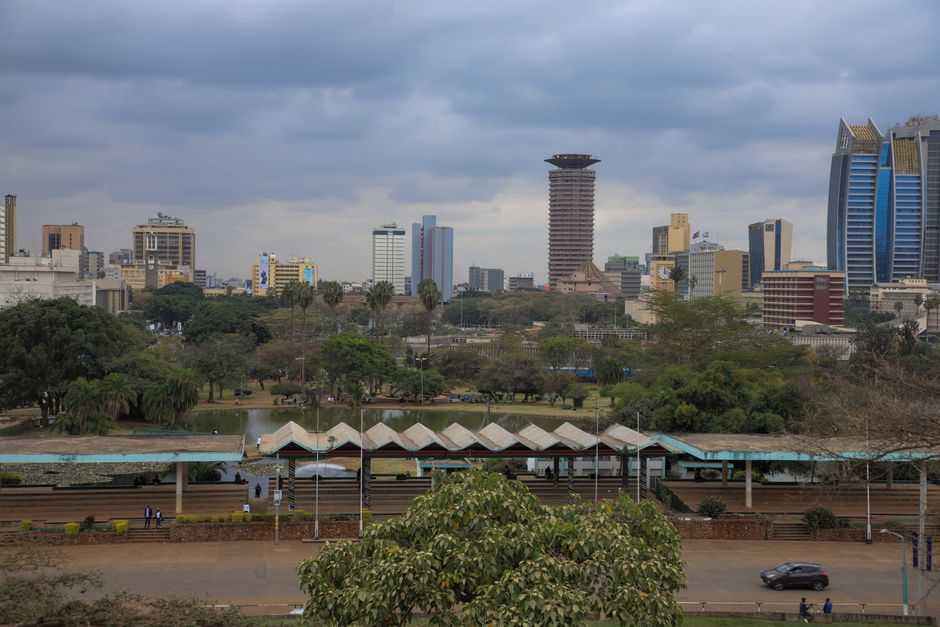
Nairobi County officials on Thursday formally launched the Nairobi Green City Action Plan, a five-year blueprint that commits the capital to slashing transport and solid-waste emissions by 35 percent before 2030 and adding roughly 300 hectares of publicly accessible green space across underserved wards. The announcement was made at a ceremony inside the Kenyatta International Convention Centre and was attended by representatives from the United Nations Environment Programme, whose headquarters sit less than four kilometres away on Gigiri Road.
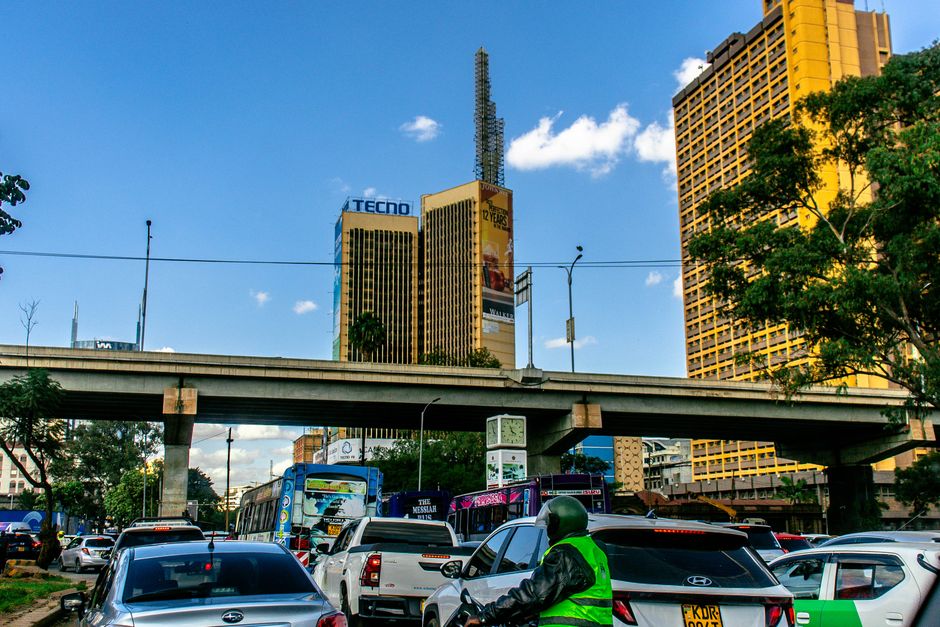
The timing is deliberate. Europe is burying more than 2,000 heat-related deaths from a July heatwave, Côte d'Ivoire has counted at least 59 flood fatalities in the past week, and the global pressure on mid-income cities to produce credible climate commitments has never been more acute. For Nairobi, a city of an estimated 5.2 million people where informal settlements cover nearly 60 percent of the residential land, the stakes are sharply local: inadequate drainage, disappearing tree cover along the Nairobi River corridor, and choking matatu exhaust along Mombasa Road and Ngong Road have turned climate policy from an abstraction into a daily grievance.
The document runs to 214 pages and is built around four pillars: clean public transport, green infrastructure, waste-to-energy conversion, and climate-resilient upgrading of informal settlements. The transport section leans heavily on the Nairobi Commuter Rail expansion already underway, linking the existing lines through Embakasi, Ruiru, and Kikuyu with eleven new stations. County planners say electrifying the full commuter rail network by December 2028 would remove an estimated 18,000 vehicle trips per day from the central business district alone.
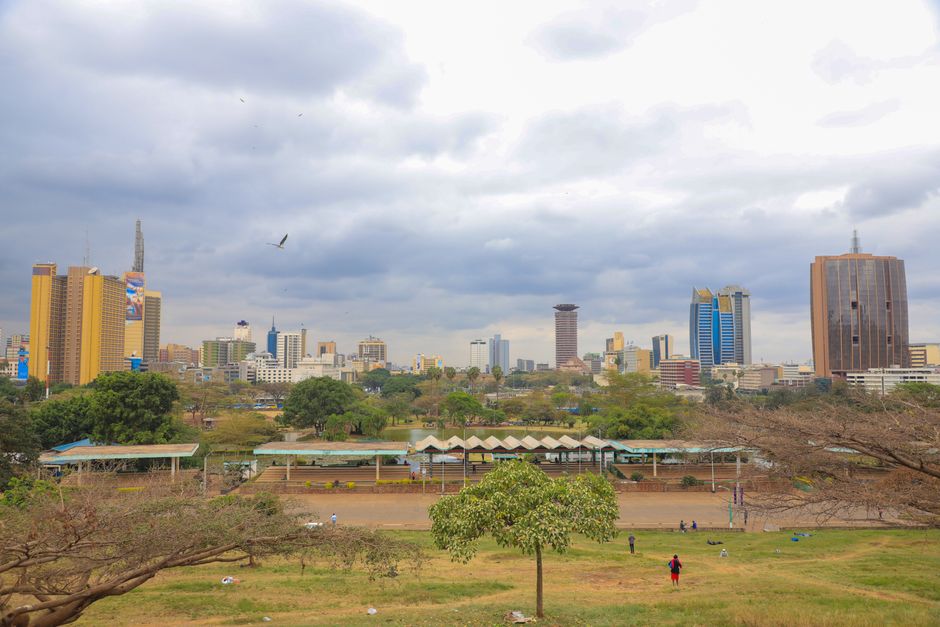
On green space, the plan targets Karura Forest as a model for three new community forest corridors in Eastlands — specifically around Korogocho, Mathare, and Mukuru kwa Njenga — where tree canopy cover currently sits below 4 percent, compared to the 30 percent canopy recommended by the World Health Organisation for urban areas. The Nairobi Metropolitan Services has been assigned to co-ordinate land surveys in those wards before the end of September 2026. A parallel programme run by the Aga Khan Development Network will pilot bio-swales and rain gardens along Ngong Road between Adams Arcade and the junction at Prestige Plaza, at an estimated cost of Sh340 million over eighteen months.
The waste-to-energy component targets the Dandora landfill, which receives around 2,500 tonnes of solid waste daily and has operated well beyond its design capacity since the early 2000s. Under the plan, a private-public consortium will begin feasibility studies in August with a goal of converting at least 800 tonnes per day into electricity by 2028. If it proceeds, it would be the largest such facility in East Africa.
The obvious question hanging over Thursday's event is money. Kenya is still operating under a tight IMF-monitored fiscal framework following the 2024 Finance Bill crisis, and the Ruto administration has had limited room to expand discretionary spending. The county estimates total implementation costs at Sh47 billion over five years, of which roughly Sh12 billion is expected to come from the national government, Sh18 billion from multilateral climate funds including the Green Climate Fund, and the remainder from private investment and municipal bonds. None of those streams is confirmed.
Gen Z activists who helped derail last year's tax proposals were present outside KICC on Thursday, holding placards that questioned whether City Hall could execute a plan of this scale without the graft that swallowed previous urban greening budgets, including the Sh1.2 billion Nairobi Regeneration Programme that produced little visible change between 2019 and 2022.
City Hall says it will publish quarterly implementation reports on its open-data portal starting in October 2026, and ward-level community liaison committees will be established in all 17 targeted wards by the end of August. Residents in Mathare and Korogocho who want to track the land-survey process or register concerns can contact the newly created Nairobi Climate Action Office at Ardhi House from Monday. The first formal review of progress is scheduled for January 2027.
How does this story make you feel?
Spread the word
About this article
Published by The Daily Nairobi
Daily brief
Free, in your inbox before 7am. Weekdays.
More in News