Riders Speak: Nairobi Commuters Size Up Their Rail Dreams Against Lagos and Cairo's Hard Lessons
From Embakasi to Westlands, ordinary passengers are watching the SGR extension promises with hope seasoned by years of broken deadlines.
From Embakasi to Westlands, ordinary passengers are watching the SGR extension promises with hope seasoned by years of broken deadlines.
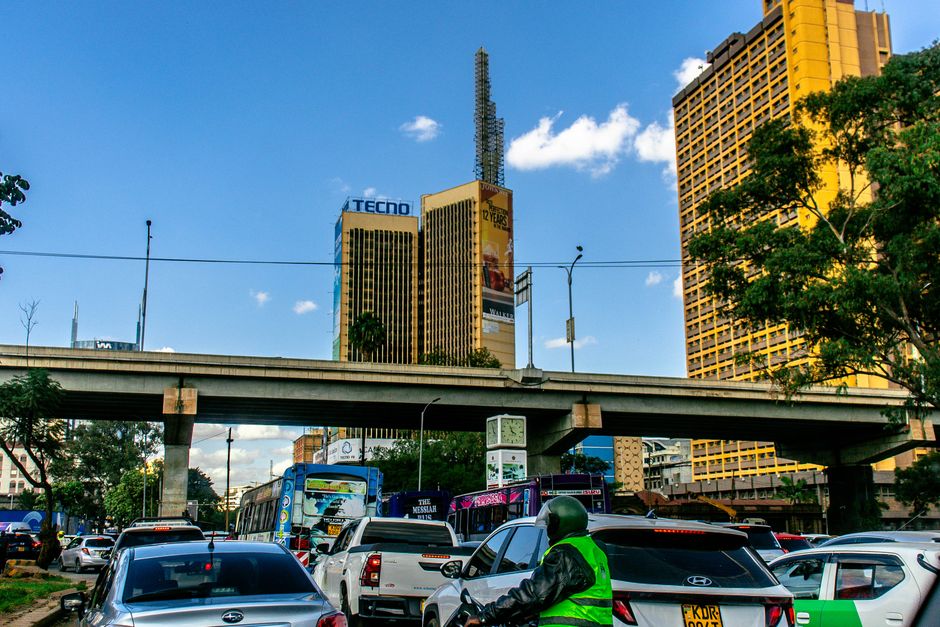
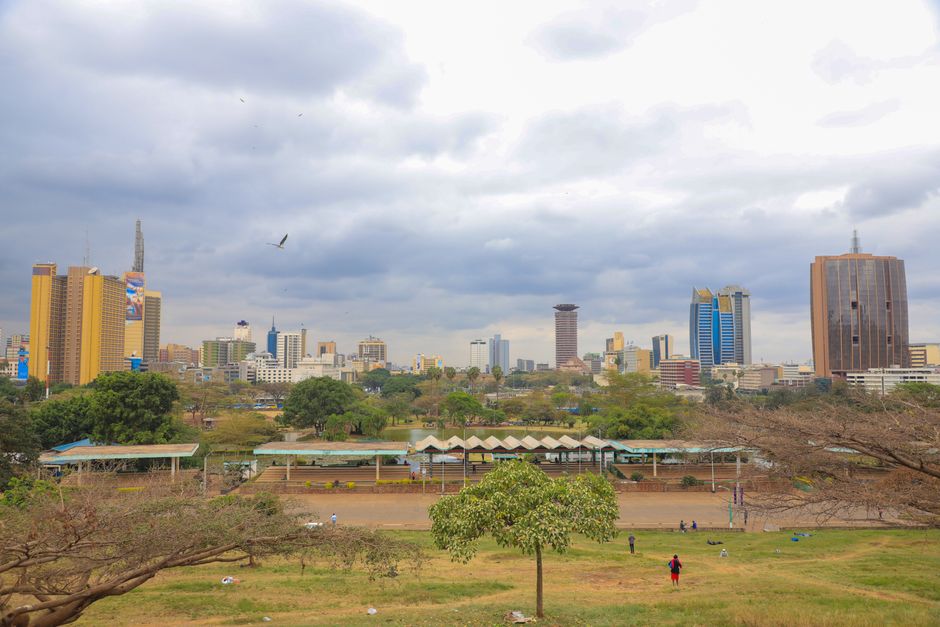
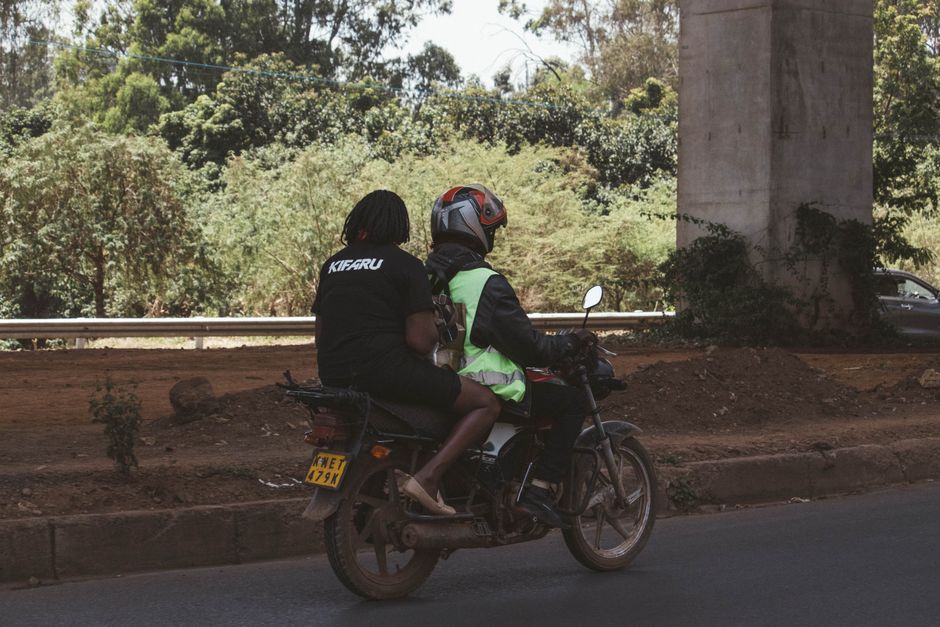
Grace Wanjiku leaves her single room in Mukuru kwa Njenga at 5:15 every morning. By the time she reaches her clerical job on Moi Avenue, she has spent at least 90 minutes on two matatus and Ksh 100 she cannot always afford. She is not waiting for a government press release to tell her Nairobi's transport system is broken. She lives it.
Her commute sits at the centre of a debate that has sharpened considerably in 2026, as the Kenya Railways Corporation pushes ahead with the Nairobi Commuter Rail revival and city planners trumpet the capital as East Africa's answer to Cairo's metro or Lagos's BRT. But residents in the corridors those plans are supposed to serve say the gap between the map on the wall and the road under their feet remains enormous.
The timing is not accidental. The Ruto administration is navigating a bruising IMF austerity programme that has squeezed capital budgets, and the Gen Z tax revolt of 2024 left the government politically cautious about any new levies that could fund infrastructure. Against that backdrop, the Kenya National Highways Authority confirmed in February 2026 that the long-delayed Nairobi Expressway Phase 2 extension toward Ruiru has been pushed back again, now targeted for late 2027. Meanwhile Cairo opened its fourth metro line extension in April, adding 11 stations and carrying an average of 4.2 million passengers daily across its network. Lagos's Bus Rapid Transit on the Mile 2–Marina corridor, despite chronic funding shortfalls, moved roughly 200,000 riders on weekdays by the end of 2025.
Nairobi's commuter rail currently serves around 18,000 passengers daily across its five lines — a figure Kenya Railways publicly cited in its 2025 annual report. That number is modest for a metro area of an estimated 5.5 million people. The Syokimau line, which connects Nairobi terminus to Syokimau station in under 30 minutes, is the most-used corridor and the one commuters speak about most readily when asked what works. Everything else, they say, needs help.
At Makadara station on a Wednesday morning this week, a group of traders heading toward Industrial Area compared notes. The consensus: the train is cheaper than matatus for anyone living along the eastern corridor — a one-way Syokimau ticket costs Ksh 100 compared with the Ksh 80–120 typical matatu fare that often climbs during peak hours — but service frequency still collapses by mid-morning. Trains run roughly every 40 minutes off-peak. Cairo's metro runs every three minutes during rush hour. Lagos BRT operates dedicated lanes that bypass gridlock. Neither of those realities yet exists in Nairobi at scale.
In Mathare, where the Nairobi City County's informal settlement upgrading programme has improved some walking paths but done little for transit links, community voices are blunter. Residents point out that the nearest commuter rail stop is Pangani, a long walk or a motorcycle taxi ride away, and that the proposed light rail corridor through Thika Road — discussed since at least 2019 — exists only in documents. A community organiser affiliated with Muungano wa Wanavijiji, the urban poor federation that has engaged city planners on housing and mobility for two decades, told The Daily Nairobi that residents want to see actual groundbreaking, not more feasibility studies.
The Cairo comparison cuts in more than one direction. Egypt's metro was built under centralised, often authoritarian, budgetary control that Kenya does not replicate. Lagos's BRT succeeded partly because the Fashola administration ring-fenced federal road funds specifically for the corridor — a political will question, not an engineering one. Both cities also took more than a decade from first plan to operational scale. Nairobi has been at the planning stage for its urban rail expansion since the 2014 Integrated Urban Development Master Plan.
For Grace Wanjiku, the practical question is simpler: will the Embakasi commuter rail extension that Kenya Railways says will add stops toward Imara Daima be running before 2028? Officials have given a 2027 target. She is budgeting for matatu fares in the meantime. Commuters along the Kikuyu and Ruiru lines should monitor Kenya Railways' quarterly service bulletins, which are posted at major stations and on the corporation's website, for updated timetables and any new fare structures expected to be announced before the end of the third quarter.
How does this story make you feel?
Spread the word
About this article
Published by The Daily Nairobi
Daily brief
Free, in your inbox before 7am. Weekdays.
More in News