At least 14,300 foreign nationals currently hold active work permits in Kenya, according to the Department of Immigration Services' June 2026 quarterly report — but nearly a third of pending renewal applications have stalled for more than 90 days, leaving holders in a legal grey zone that employers and immigration lawyers in Nairobi say is the worst they have seen in a decade.
The timing matters. Europe is convulsing: a suspected bombing in Monaco has European capitals tightening entry rules for nationals from conflict zones, Poland is openly warning of a Russian threat in the months ahead, and Iran's political future is being decided at a state funeral that is reshaping allegiances across the Middle East. Each shift sends ripples toward Nairobi. Zimbabweans, Somalis, Congolese, Ethiopians and South Sudanese — all well represented in Nairobi's migrant workforce — are finding that even a distant geopolitical tremor can freeze a visa desk in Upper Hill.
Who Is Caught, and Where
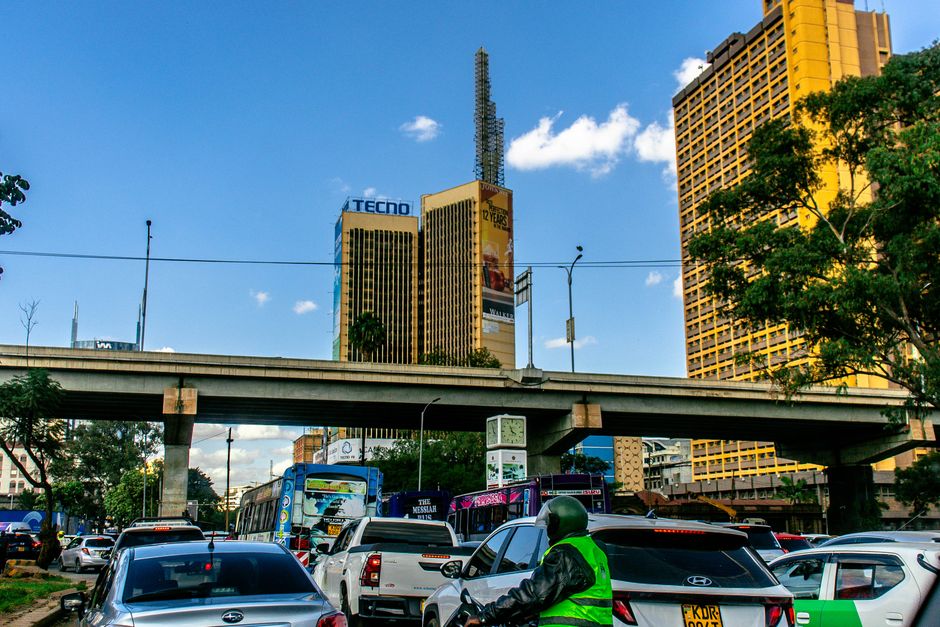
The crunch is most visible in Westlands and along Mombasa Road, where tech firms anchored in the Silicon Savannah corridor have been recruiting engineers and product managers from across the continent and beyond. The Kenya ICT Board estimates that roughly 2,100 of the roughly 14,300 permit holders work in the information and communications technology sector — a number that has grown 38 percent since 2022 but that advocates say is now threatened by processing delays at Nyayo House, the immigration department's Nairobi headquarters on Kenyatta Avenue.
Asylum seekers face a harder road still. The United Nations High Commissioner for Refugees registered 578,000 refugees and asylum seekers in Kenya as of May 2026, the bulk of them in Dadaab and Kakuma — but an estimated 96,000 live in Nairobi, concentrated in Eastleigh, South B and parts of Mathare. For that urban population, the Refugee Affairs Secretariat's Nairobi Urban Refugee Registration Centre on Ngong Road has a current waiting list of more than 8,000 individuals seeking documentation renewals. Officers there are processing roughly 180 cases per week. The arithmetic is bleak: at that rate, the backlog clears in 44 weeks.
Legal fees compound the pressure. A Class G work permit — the standard category for most professional migrants — costs Ksh 200,000 per two-year cycle under the revised fee schedule introduced in January 2026, up from Ksh 77,500 before the Finance Act 2023 overhauled the tariff structure. That increase landed in the middle of the Ruto government's IMF-driven austerity programme, and for many mid-level earners it is simply unaffordable. Immigration consultancies along Kimathi Street report that a significant share of their clients are now applying for lower-tier permits to cut costs, accepting restrictions on the type of work they can legally do.
The Data Behind the Daily Struggle
The World Bank's April 2026 Kenya Economic Update put remittance inflows at $4.3 billion for 2025 — a record — but also flagged that reverse remittances from Nairobi-based diaspora workers sending money home to conflict-affected countries have risen sharply, meaning migrants are simultaneously economically productive for Kenya and financially stretched by obligations abroad. That dual pressure makes fee hikes and permit delays especially destabilising.
Officials at the African Population and Health Research Centre on Manga Close in Korogocho have been tracking internal displacement within Nairobi linked to permit non-renewal, as families move from formal rentals in Kilimani or Lavington to cheaper informal settlements when breadwinners lose legal work status. Preliminary data from an ongoing 2026 survey suggest that around 12 percent of surveyed Eastleigh households include at least one member whose permit lapsed in the past six months.
Advocates recommend that affected migrants contact the Immigration Department's newly launched e-permit portal — operational since March 2026 — to lodge formal delay complaints, which trigger a statutory 21-day response obligation. The Refugee Consortium of Kenya, based in Milimani, Nairobi, offers free legal clinics every Tuesday. For work-permit holders, the Kenya National Chamber of Commerce has been pushing the government to create a 90-day grace period for renewals caught in processing backlogs — a proposal that remains before the National Assembly's Departmental Committee on Administration and Internal Security.