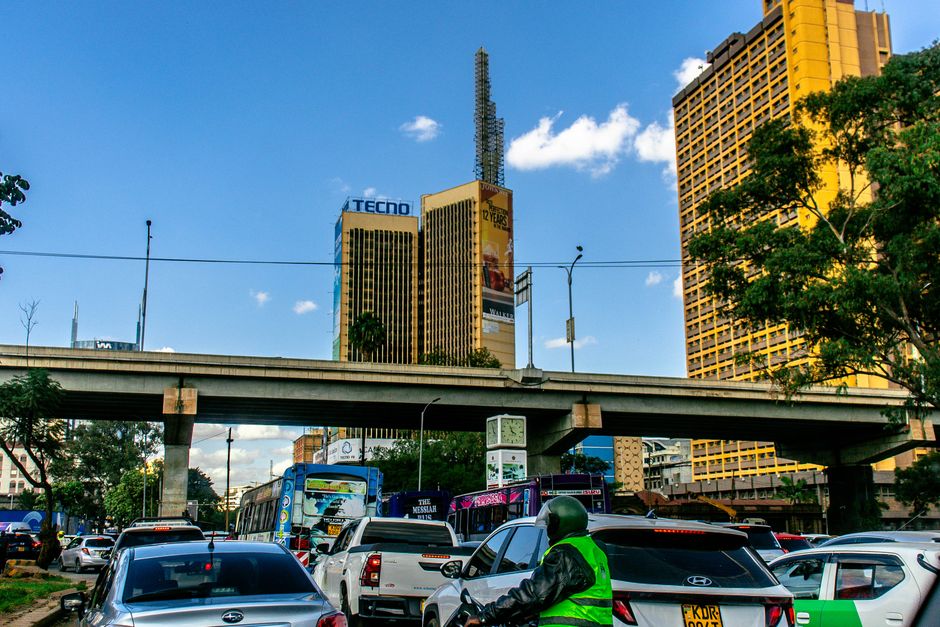
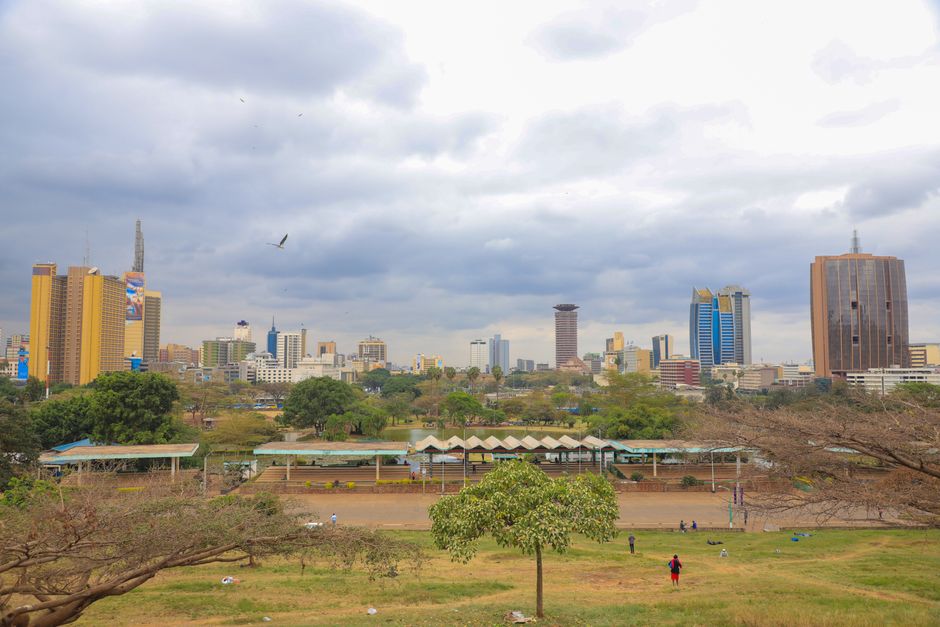
The queue outside Nyayo House on Kenyatta Avenue stretches past the ground-floor security post by 7 a.m. most mornings. By noon, many of those waiting have been told to come back with additional documents — sometimes the same documents they brought the day before. Since January 2026, when the Department of Immigration Services introduced a revised permit renewal framework under the Kenya Citizenship and Immigration (Amendment) Regulations 2025, the complaints have been building.
The new rules require all Class G and Class M work permit holders — covering skilled employees and investors respectively — to submit biometric re-registration, a freshly notarised employment contract, and proof of tax compliance from the Kenya Revenue Authority before a renewal application is processed. The KRA compliance certificate alone can take up to three weeks to obtain if a company has any outstanding queries on its iTax account. For workers whose permits expire in the interim, the situation is precarious.
The timing matters for reasons that go beyond bureaucracy. The Ruto administration has been tightening immigration enforcement since late 2025 as part of a broader fiscal reorientation under its IMF programme. Part of the logic, officials have told business groups, is ensuring that foreign workers in Kenya are generating taxable income and not displacing Kenyan jobseekers — a political pressure point sharpened considerably by the Gen Z protest movement that erupted in 2024 over the Finance Bill and left a legacy of scrutiny over who benefits from economic activity in the country.
Silicon Savannah Caught in the Middle
The technology sector centred on Westlands and the Ngong Road corridor — the stretch that hosts companies from Safaricom's headquarters to dozens of fintech startups around the Nairobi Garage co-working hub on Muindi Mbingu Street — has been among the hardest hit. Several firms operating out of iHub in Kilimani reported in May that between two and five of their foreign technical staff were working on expired permits while waiting for renewal decisions that had stalled for more than 60 days.
One startup founder, whose company employs a small team of East African engineers including two Tanzanians and a Rwandan national, said the cost of legal compliance had become unsustainable. A single work permit renewal under the new schedule costs Ksh 200,000 for Class G — double what it cost in 2023 — and that figure excludes lawyer fees, which immigration attorneys in Upper Hill are now quoting at between Ksh 50,000 and Ksh 80,000 per application. For workers in the NGO sector, particularly those attached to organisations operating in Kibera and Mathare, the situation is complicated further by the requirement to show local payroll processing through a Kenyan commercial bank, which some international charities had not previously done.
The Kenya Private Sector Alliance wrote to the Cabinet Secretary for Interior in April asking for a 90-day grace period and a dedicated fast-track desk at Nyayo House. As of July 3, no formal response has been made public, though KEPSA officials confirmed this week that a meeting with senior immigration officials is scheduled for the third week of July.
What Affected Workers Should Do Now
Immigration lawyers advising clients in Nairobi say the most important step is to begin the KRA compliance certificate process at least six weeks before a permit's expiry date — not the 30-day window that most workers previously used. The iTax portal remains the only route, and any discrepancy between a company's PIN certificate and its current registered address can trigger a manual audit that adds weeks to the timeline.
The Department of Immigration has said it will not deport workers who can demonstrate a pending renewal application with a valid receipt, but that assurance is not codified in any gazette notice, leaving workers relying on discretion rather than legal protection. For now, the queue at Nyayo House keeps growing — and the people standing in it are watching their phone clocks, their visa expiry dates, and the door at the top of the stairs.