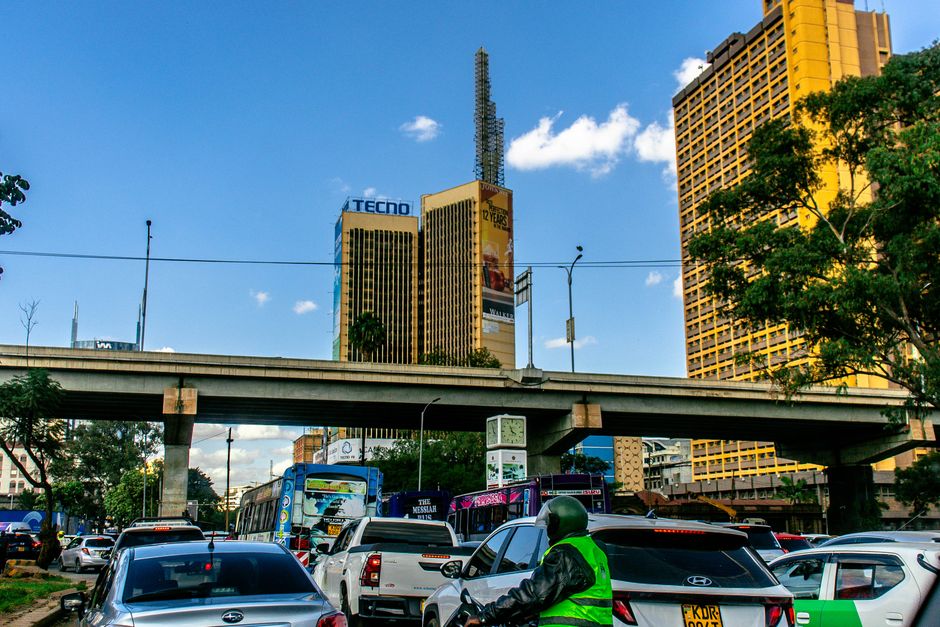
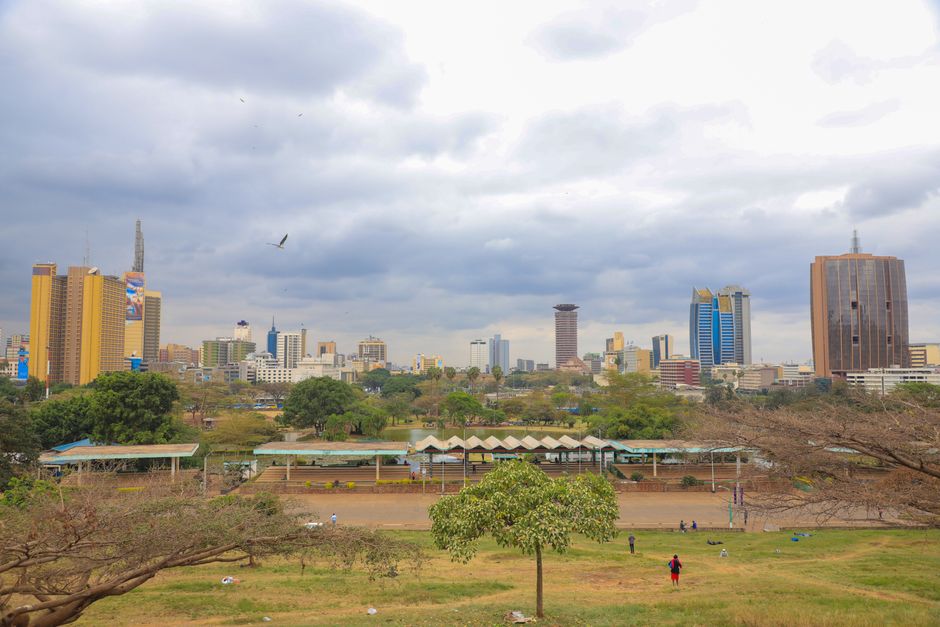
Nairobi County this week confirmed a Sh2.8 billion mid-year budget reallocation that will immediately reduce operational spending on water supply, road maintenance and public school programmes — a move that city officials say was forced by a combination of IMF-linked austerity targets and a persistent shortfall in own-source revenue that has haunted county finances since at least the 2024/25 fiscal year.
The timing is brutal. Nairobi Water and Sewerage Company, which serves roughly 4.5 million residents, had already been rationing supply to parts of Eastlands and Kibera for much of June. The reallocation trims the utility's capital repair budget by an estimated Sh340 million, effectively freezing planned works on the Ruiru-Juja pipeline extension that was scheduled to begin procurement this quarter. For households in Mathare and Mukuru kwa Njenga, where standpipe queues already stretch past dawn, the freeze is not an abstraction.
Why This Moment Is Different
Kenya's national government signed its latest programme review with the International Monetary Fund in March 2026, unlocking a $606 million disbursement but locking in expenditure ceilings that cascade down to county governments through the equitable share formula. Nairobi, which receives roughly Sh19 billion annually from the national government, has seen that share grow more slowly than its population — now estimated at 5.2 million inside the metropolitan boundary. The Sh2.8 billion cut represents about 14 percent of the county's discretionary development budget for the financial year ending June 2027.
Compare that to Lagos, where the Lagos State government in January 2026 also executed a mid-year reallocation — roughly 11 percent of its infrastructure vote — after Nigeria's naira depreciation eroded fuel-subsidy savings. Lagos, however, ring-fenced its water agency budget and redirected cuts toward administrative overheads. Accra took a similar approach during Ghana's IMF-supported debt restructuring in 2023 and 2024, protecting the Ghana Water Company's repair schedule while cutting civil service travel allowances. Bogotá, navigating Colombia's own fiscal tightening last year, used a partial public-private concession on secondary roads to absorb a $120 million budget gap without suspending school feeding programmes.
Nairobi has done none of those things. The reallocation document, tabled before the Nairobi County Assembly's Finance Committee on July 1, shows cuts spread across four sectors simultaneously — water, roads, education grants to Early Childhood Development Centres, and social protection — rather than concentrated in lower-impact lines. The Pumwani Maternity Hospital rehabilitation fund, which had Sh85 million earmarked for Ward infrastructure, has also been paused pending a supplementary budget in September.
What Breaks First — and Who Notices
Road maintenance is where residents will feel the reallocation fastest. The Outer Ring Road resurfacing contract between Harambee Estate junction and Taj Mall roundabout, awarded in April to a local contractor, is now on a 60-day administrative hold. City Hall engineers privately acknowledge that the long rains have already opened potholes wide enough to damage vehicle axles along that corridor, and a two-month pause will extend the damage season into the short rains that typically begin in October.
For Nairobi's 1,847 county-registered ECD centres — many of them in informal settlements such as Korogocho and Kangemi — the cut to education grants means a reduction from Sh2,500 per child per term to an estimated Sh1,800, according to figures circulated within the County Education department. That gap is not trivial; ECD centres in low-income areas depend on the county grant for chalk, exercise books and the part-time salary top-ups that keep teachers from leaving for better-paid positions in private nurseries.
Residents and civil society groups connected to the Gen Z protest networks that rattled Ruto's government in 2024 are already mobilising on social media around the cuts, with a planned demonstration outside City Hall on July 10. The county government has until July 15 to submit its supplementary budget framework to the Controller of Budget, which gives County Executive Committee member for Finance a narrow window to restructure the reallocation before it becomes locked in for the first quarter. Anyone directly affected — water bills, school grants, road contracts — should submit written objections to the County Assembly Finance Committee, whose public participation portal remains open through July 8.