By the Numbers: Nairobi's Commuter Rail Push Leaves Lagos and Cairo in the Rear-View — For Now
Fresh ridership figures and infrastructure spending data show Kenya's capital edging ahead on urban transit, but the gap is narrower than boosters admit.
Fresh ridership figures and infrastructure spending data show Kenya's capital edging ahead on urban transit, but the gap is narrower than boosters admit.
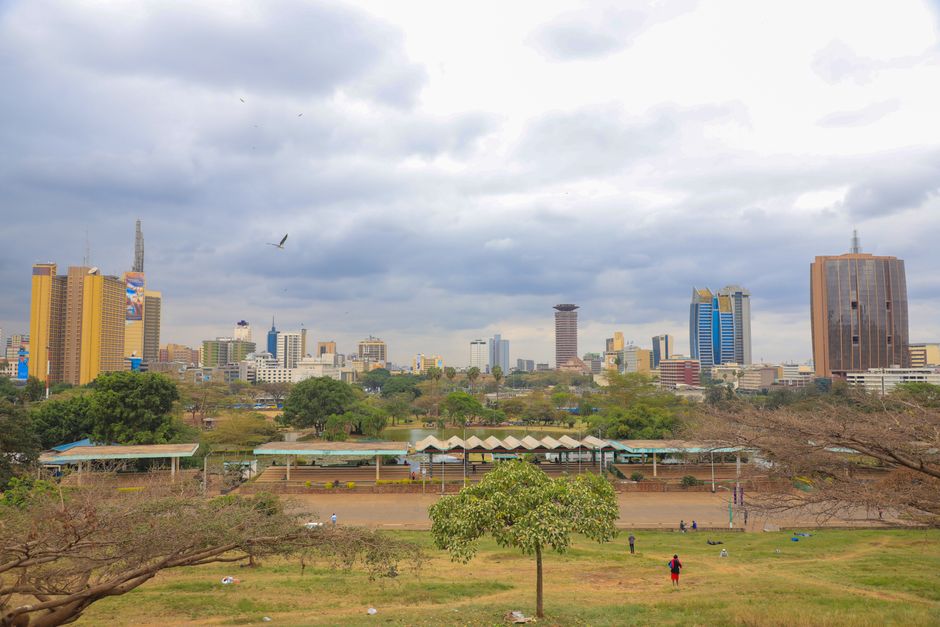
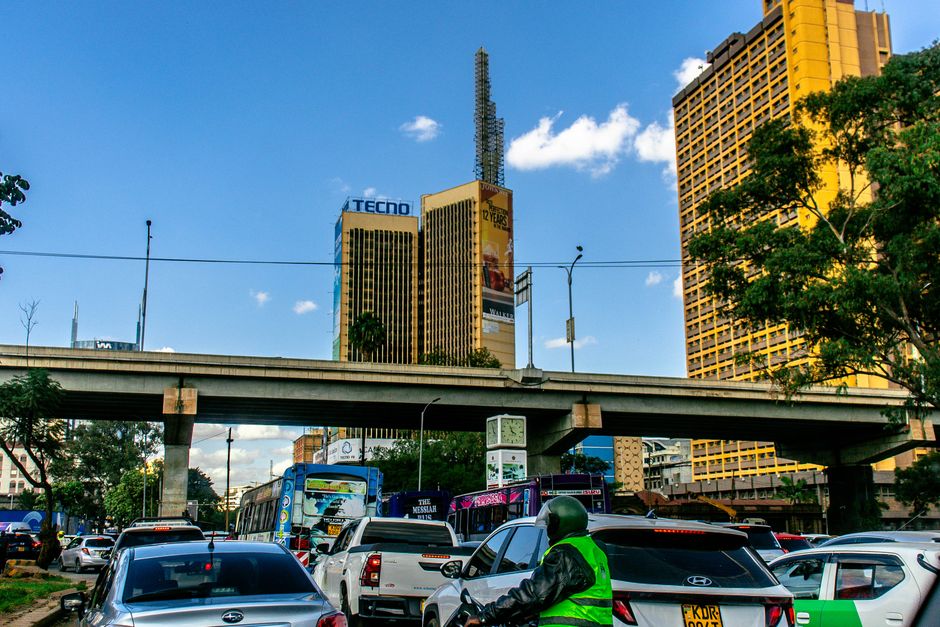
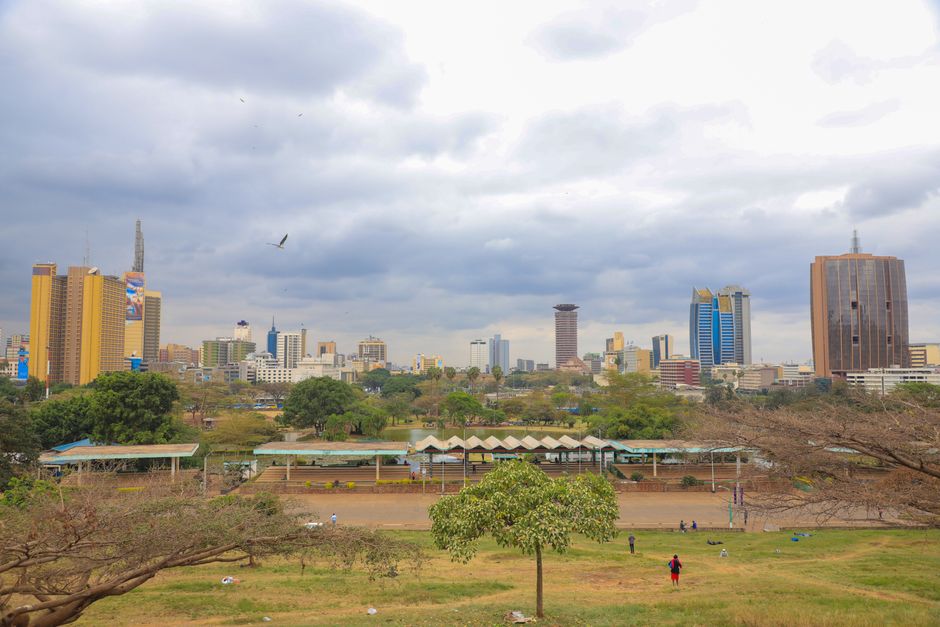
Nairobi moved 142,000 passengers a day on the Nairobi Commuter Rail Network in the first quarter of 2026 — a 38 percent jump from the same period in 2024, according to Kenya Railways Corporation figures reviewed this week. That single statistic is driving a quiet but serious conversation among urban planners in Addis Ababa, Lagos and Cairo about whether the city once mocked for its gridlock on Thika Superhighway has genuinely turned a corner.
The timing matters. The Ruto administration is defending a Sh47 billion capital allocation for transport infrastructure under the 2025/26 budget, money drawn partly from conditions attached to the ongoing IMF programme. Gen Z protesters who shut down Haile Selassie Avenue in June 2024 over taxation remain politically alert, and every shilling spent on rail rather than roads carries a symbolic weight the Treasury cannot ignore. Urban mobility has become, in short, a fiscal and political battleground, not merely a planning exercise.
Lagos operates the Blue Line metro, which opened its first phase in 2023 and had averaged roughly 30,000 daily trips by late 2025 across its 13-kilometre coastal stretch — a disappointingly thin figure for a city of 15 million. Cairo's Metro, Africa's oldest and most established urban rail system, carries approximately 3.5 million passengers daily across three lines totalling 100 kilometres, making it the continent's undisputed benchmark. Nairobi's network, running from Syokimau station in the southeast to Ruiru in the north and Kikuyu in the west, covers around 56 kilometres of active commuter corridor. On pure ridership density — passengers per kilometre of track — Nairobi clocks roughly 2,500 daily users per kilometre, against Cairo Metro's 35,000. That gap is not closeable in the short term. But Lagos, at under 2,300 per kilometre on the Blue Line, is now behind Nairobi on that measure for the first time.
Fares tell a parallel story. A single Syokimau-to-Nairobi Central trip costs Sh60 as of July 2026, frozen since a Kenya Railways review last November. The equivalent Lagos Blue Line single fare runs at roughly 700 Nigerian naira, or about Sh85 at current exchange. Cairo's Metro charges between 10 and 20 Egyptian pounds per trip — Sh17 to Sh34 — kept deliberately low through heavy state subsidy. Nairobi sits in the middle on affordability, more expensive than Cairo but cheaper than Lagos, which matters enormously to the Mukuru kwa Njenga and Mathare residents who form the backbone of commuter rail's daily ridership.
The Nairobi Metropolitan Services, working alongside Kenya Railways, has committed to rehabilitating four additional stations along the Embakasi corridor by December 2026, including upgrades at Imara Daima and Donholm stops that serve dense middle-income settlements east of the central business district. A further Sh3.2 billion has been ring-fenced for rolling stock maintenance under the current budget cycle. Cairo, by contrast, is spending the equivalent of approximately Sh180 billion on its fourth metro line, a cross-city route under construction since 2022 that will add 21 stations. Lagos has announced but not yet funded a 37-kilometre rail extension to connect Agbado with the existing Blue Line. On ambition, both cities still outscale Nairobi. On current delivery rate, Nairobi is executing.
Bus rapid transit complicates the comparison further. Nairobi's BRT pilot along Thika Road, which launched limited service in 2023, was carrying an underwhelming 8,000 passengers daily as of March 2026, well below the 50,000-per-day projection from the original 2019 feasibility study commissioned by the Nairobi City County. Lagos's BRT system, running since 2008 along Lagos-Badagry Expressway, consistently moves over 200,000 passengers daily and remains the single most-used high-capacity public transit system in sub-Saharan Africa. That number is a corrective to any triumphalism from Nairobi.
The practical implication for commuters is this: if the Kenya Railways December 2026 station rehabilitation timeline holds, and if Treasury releases the Sh3.2 billion maintenance allocation before the third quarter, daily ridership projections from the Transport and Infrastructure Ministry suggest the network could cross 180,000 daily passengers by mid-2027. Residents in Embakasi, South B and along the Kikuyu corridor should watch the Imara Daima and Donholm station works closely — those upgrades, more than any policy announcement, will determine whether the numbers keep moving in the right direction.
How does this story make you feel?
Spread the word
About this article
Published by The Daily Nairobi
Daily brief
Free, in your inbox before 7am. Weekdays.
More in News