'We Are Done Reading Documents': Nairobi Residents Demand Real Action on Climate and Environment
From Mathare to Kibera, community members say years of government green policy papers have delivered nothing but floods, smoke and broken promises.
From Mathare to Kibera, community members say years of government green policy papers have delivered nothing but floods, smoke and broken promises.

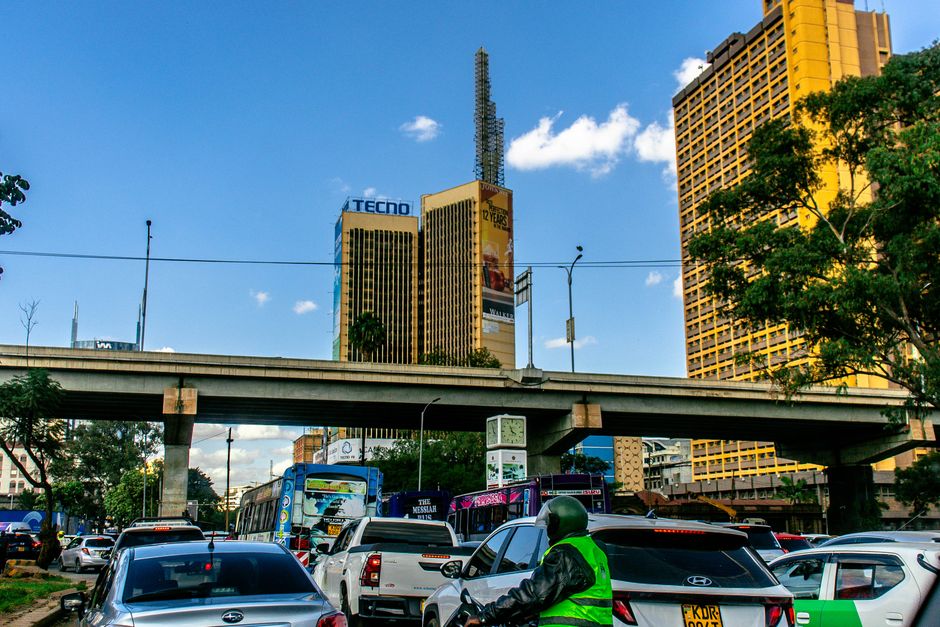
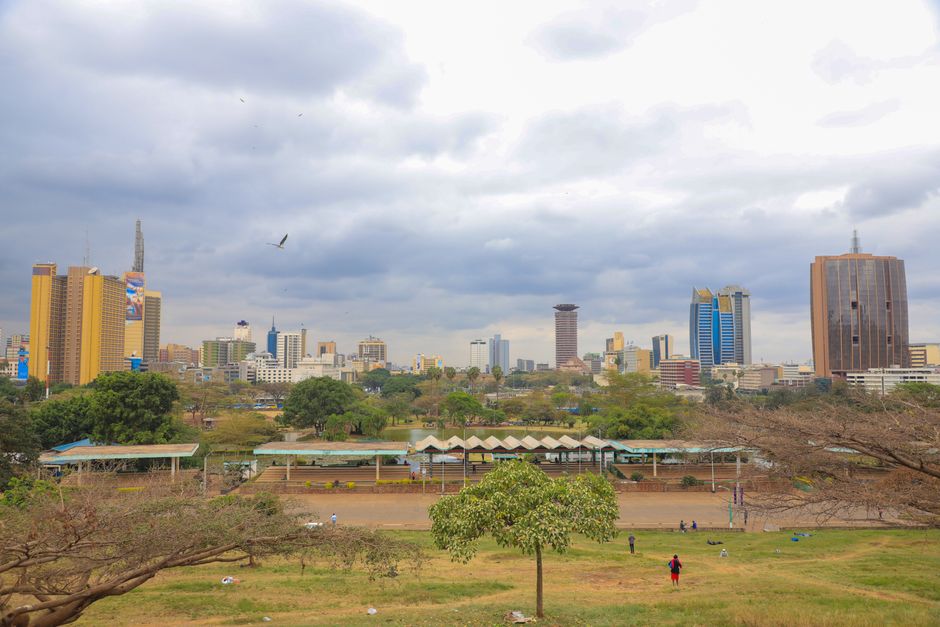
Residents across Nairobi's most flood-prone and pollution-choked neighbourhoods are running out of patience. At a packed community forum held at the Mathare Social Hall on Mau Mau Road last Saturday, more than 200 people — traders, mothers, boda boda riders, youth group coordinators — turned up to say the same thing in different words: the government's stack of environmental policy frameworks has not drained a single blocked culvert or cleared one dump site in their ward.
The timing is not accidental. West Africa's flooding crisis, which killed at least 59 people in Côte d'Ivoire this week alone, has pushed climate vulnerability back onto the regional agenda. Europe is counting excess heat deaths in the thousands. Nairobi residents say they do not need to look that far — the Ngong River burst its banks at least four times in the first half of 2026, swamping homes in Mukuru kwa Njenga and destroying market stalls that families had spent months rebuilding after the April 2025 floods.
Kenya's National Environment Management Authority, known as NEMA, published its updated County Environment Action Plan for Nairobi in March 2025. The document runs to 114 pages. It references the Nairobi City County Integrated Development Plan, the National Climate Change Action Plan 2023–2027, and Kenya's Nationally Determined Contribution targets under the Paris Agreement. Residents in Korogocho say they have seen none of it translated into physical works on the ground.
"We have the pamphlets. We have the workshops. We have been photographed for the reports," one Korogocho market organiser told this reporter, speaking at the Mathare forum. "When the rains come, we still carry our children on our backs through the water."
The Nairobi River Regeneration Programme, a joint initiative between the county government and UN-Habitat that was formally launched in 2019, was supposed to rehabilitate all five of Nairobi's main rivers by 2024. Seven years on, the Nairobi River corridor near Gikomba Market remains one of the most visibly polluted stretches of open water in the city. Traders at Gikomba, East Africa's largest second-hand clothing market, have filed three formal complaints with Nairobi City County since January 2026. They are still waiting for a response.
The fiscal pressure on the William Ruto administration makes the situation harder. The government is operating under an IMF-backed austerity programme that slashed the Environment and Climate Change budget line by 18 percent in the 2025–2026 financial year, according to figures tabled before the National Assembly's Budget and Appropriations Committee in November 2025. County governments, including Nairobi, absorbed further cuts when national equitable share transfers were reduced in the same cycle.
The Gen Z protest movement that rocked Nairobi in June 2024 — storming Parliament on June 25 of that year — left a generation with a sharper appetite for accountability and a lower tolerance for official stalling. Several youth environmental groups that emerged from that period, including Sauti ya Ardhi, which operates out of a shared workspace off Ngong Road in Kilimani, have begun mapping informal settlement drainage failures ward by ward and publishing the data online.
Sauti ya Ardhi's July 2026 snapshot, released this week, found that 67 percent of drainage channels surveyed in Mathare North were either blocked or structurally collapsed. The survey covered 340 households across six villages. The group is pushing the county to allocate at least Ksh 800 million specifically to drainage infrastructure in the next supplementary budget, a figure they derived from engineer cost estimates shared with them by a contractor who worked on the Nairobi Metropolitan Services projects before that body was wound down.
For residents, the next test is concrete: Nairobi City County is due to table its first supplementary budget before the County Assembly in September 2026. Community groups from Mathare, Mukuru and Kibera say they intend to show up at City Hall on Mama Ngina Street and demand a line item they can see and touch — not another action plan they can file next to the last one.
How does this story make you feel?
Spread the word
About this article
Published by The Daily Nairobi
Daily brief
Free, in your inbox before 7am. Weekdays.
More in News