A converted three-storey building on Waiyaki Way now houses what Westlands residents have been asking for since at least 2019: a publicly accessible community hub with co-working desks, a library corner, childcare space, and a hall for neighbourhood meetings. The Westlands Community Resource Centre opened its doors on Wednesday, July 1, managed by the Nairobi County government in partnership with the Aga Khan Foundation Kenya, which co-funded the Sh47 million fit-out.
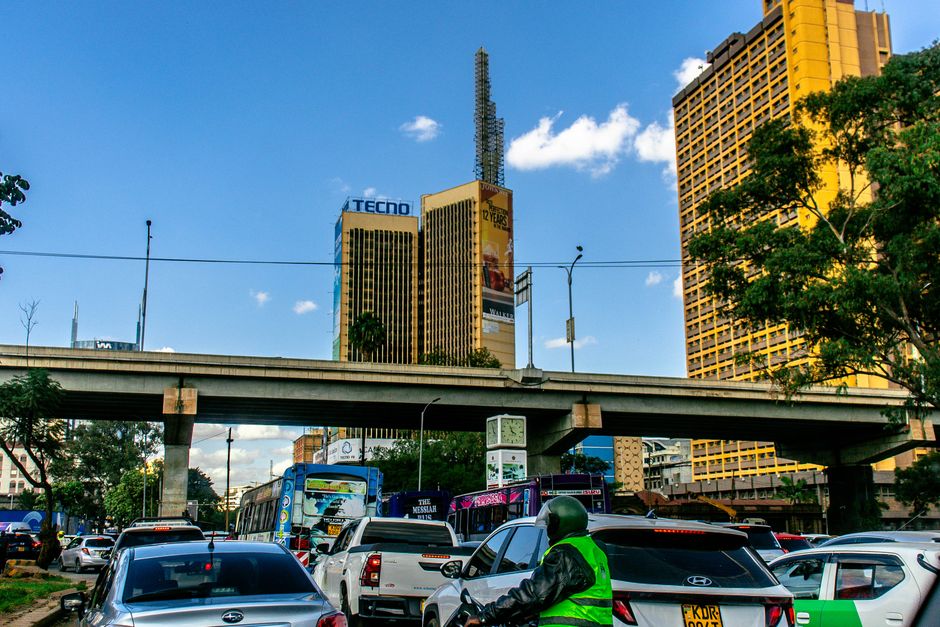
The timing is not accidental. Nairobi's commercial property sector spent the better part of a decade swallowing whatever community or affordable workspace existed in the area. Westlands, once a mid-range mixed-use zone, became one of the city's priciest office and retail corridors after the 2015 Nairobi Metropolitan Area Transport Master Plan directed infrastructure investment — new interchange ramps, bus rapid transit feeder lanes — toward the Waiyaki Way–Chiromo Road axis. Landlords followed the money. By 2023, monthly rents for a modest ground-floor retail or community space on Mpaka Road had crossed Sh180,000, according to property surveys by the Kenya Property Developers Association. Smaller civic groups, chamas, and youth self-help organisations were simply squeezed out.
The Ground Beneath the Protest
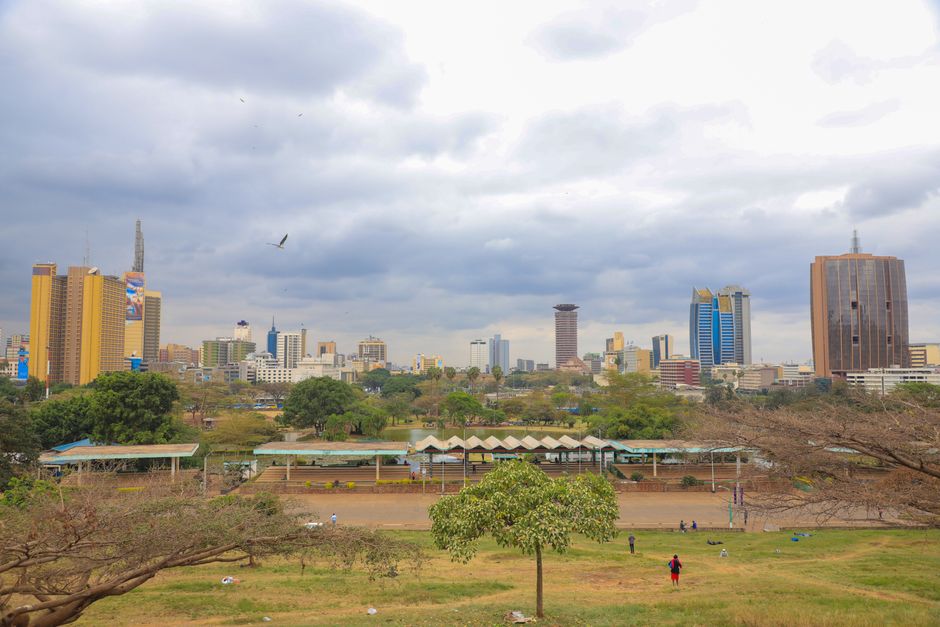
The Gen Z-led tax revolt of mid-2024 did something that years of community advocacy had not: it forced Nairobi County and the national government to admit publicly that urban public goods were underfunded. When protesters occupied Uhuru Park and marched through the Central Business District in June 2024, their grievances were explicitly fiscal — the Finance Bill, the IMF austerity conditions baked into Kenya's standby arrangement — but the underlying frustration ran deeper. Young people working in the informal economy around Westlands, Parklands, and Kangemi had nowhere affordable to meet, organise, or upskill. Commercial internet cafés that used to serve that function had closed or tripled their hourly rates.
The Nairobi Metropolitan Services, before its functions were fully returned to the county in late 2023, had earmarked a parcel on the junction of Westlands Road and Ring Road Westlands for a civic facility as far back as 2021. That plan stalled twice — once when the Ruto administration froze non-essential capital spending in October 2022 as it negotiated the IMF programme, and again when a private developer filed a competing title claim that took fourteen months to resolve in the Environment and Land Court. The Aga Khan Foundation stepped in with co-financing only after the court cleared the title in December 2024.
What the Numbers Actually Show
Nairobi has roughly 4.9 million residents and fewer than 30 publicly accessible community halls that are functional and not primarily used as political rally venues, according to a 2025 audit by Slum Dwellers International Kenya. That ratio — one usable civic space per roughly 165,000 people — compares poorly even against Kampala, which has invested in parish-level community centres since 2018 under the Uganda Parish Development Model. The new Westlands hub adds 1,200 square metres of usable space and is designed to serve an estimated 8,000 residents per month, with free Wi-Fi, 60 co-working desks, and a crèche licensed for 30 children.
Monthly membership for the co-working section is set at Sh2,500 — deliberately pegged below the Sh4,000 minimum that market co-working spaces like those along Gitanga Road charge — with a full waiver available for registered youth groups and women's chamas. The library corner holds an initial 3,000 volumes donated by the Kenya National Library Service's Westlands branch, which itself lost its reading room to a landlord dispute in 2022.
For residents wanting to use the space, registration opens at the hub's ground-floor reception from 7 a.m. daily. The Nairobi County Department of Urban Planning says two more facilities — one in Kibera's Soweto zone and one in Eastlands' Buruburu estate — are in the feasibility stage, with budgets to be presented to the County Assembly during the supplementary estimates expected in September 2026. Whether that timetable holds will depend heavily on how much fiscal headroom the county retains once the next IMF programme review lands in August.