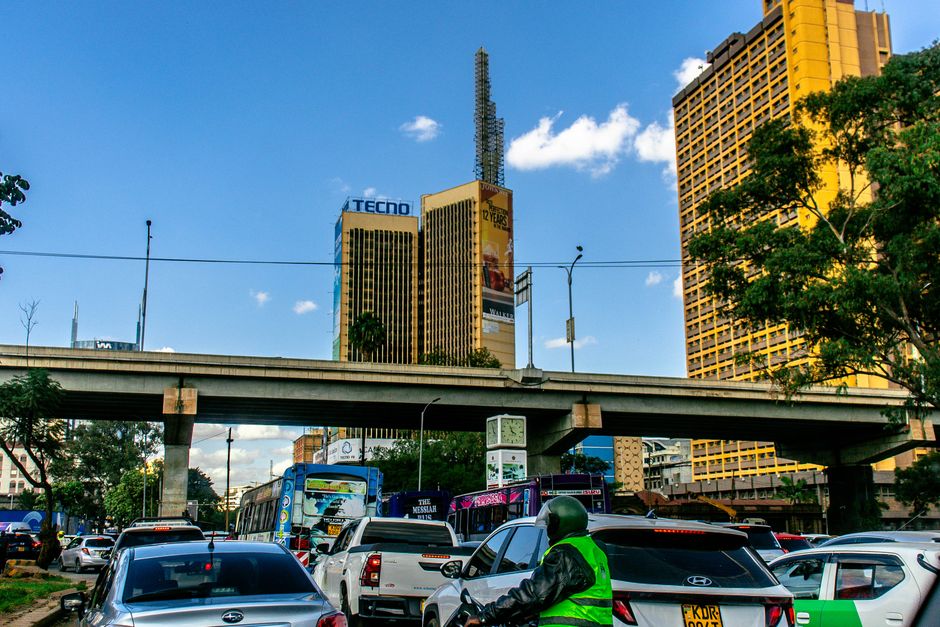
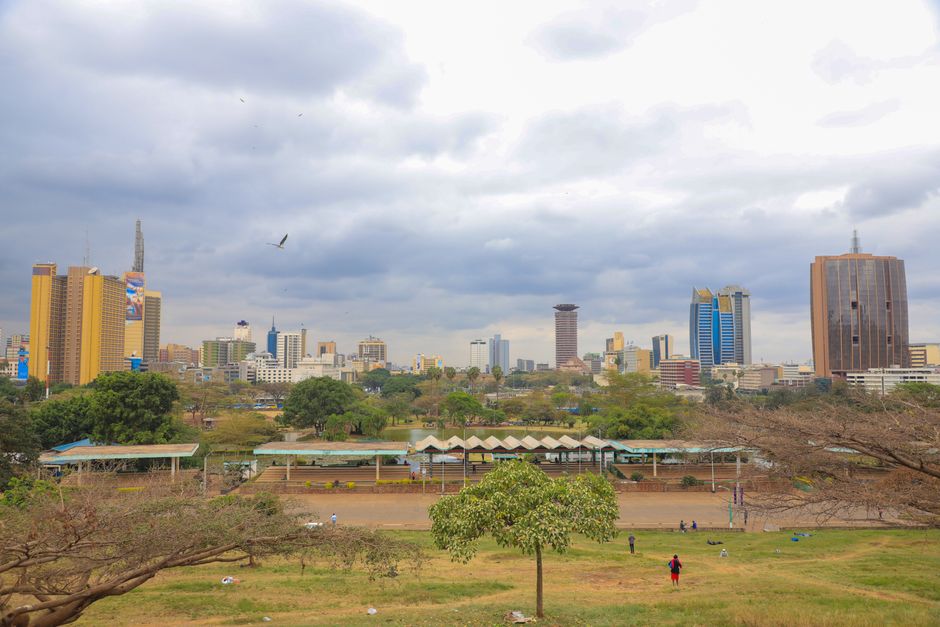
Nairobi County launched its upgraded Emergency Command and Coordination Centre on July 1, consolidating fire, ambulance, and disaster response under a single 0800 hotline for the first time. The facility, housed at the repurposed Pumwani Fire Station complex off Racecourse Road, replaces a patchwork of competing numbers that often left residents in Mathare, Kibera, and other dense neighbourhoods waiting thirty minutes or more for a first responder who never came.
The timing is not accidental. West Africa is burying flood victims — Côte d'Ivoire recorded 59 deaths last week from torrential rains — and European cities are reeling from heatwave mortality numbers that governments are only now beginning to tally. For Nairobi's urban planners, those headlines are a warning. The city sits at 1,795 metres above sea level, but its drainage infrastructure was designed for a population of roughly 350,000 people. Nairobi now holds an estimated 5.5 million.
Where Nairobi Stands Against Lagos and Johannesburg
Lagos operates the Lagos State Emergency Management Agency, known as LASEMA, which fielded over 4,200 rapid-response calls in 2024 and deploys purpose-built heavy rescue vehicles across five operational zones. Johannesburg's Emergency Management Services runs a computer-aided dispatch system that achieved an average response time of eleven minutes within the City of Johannesburg Metropolitan Municipality in its 2024–25 annual report. Nairobi's own internal benchmarking, shared at a county assembly briefing in June, puts its current average response time at approximately 23 minutes — and that is for calls originating in Westlands or the Central Business District, not the informal settlements where road access remains the primary constraint.
The new centre integrates feeds from the Nairobi Metropolitan Services traffic cameras, Kenya Red Cross Society dispatch units, and the Kenya National Fire Brigade. Staff at the Pumwani facility will monitor a digital dashboard that flags incident clusters in real time, a tool developed by a Nairobi-based startup from the Konza Technopolis pipeline under a Ksh 180 million contract signed in March 2026. That figure sounds substantial until you compare it with LASEMA's 2025 capital budget of roughly $14 million, or the Johannesburg EMS fleet-replacement programme budgeted at R320 million over three years.
Residents of Korogocho and Mukuru kwa Njenga — two settlements where a single burning structure can consume an entire row of homes in under ten minutes — have been told the new system includes a community first-responder network, trained volunteers who receive alerts before a fire truck can reach the scene. The Kenya Red Cross Society trained 340 such volunteers across six Nairobi wards between January and May this year. That community tier is arguably where Nairobi has an edge: neither Lagos nor Johannesburg has embedded a comparable volunteer layer directly into their central dispatch architecture.
The Fiscal Reality Underneath the Announcement
The Ruto administration is operating under IMF programme conditions that cap recurrent expenditure growth, and Nairobi County's own budget for the 2026–27 financial year, tabled in May, allocates Ksh 2.3 billion to public safety — about 6.4 percent of total county spending. That share has not grown in three years. The Gen Z tax revolt of 2024 and its political legacy have made new levies politically toxic, leaving county officials dependent on reallocation rather than fresh revenue.
What happens next will be determined by two near-term tests. The El Niño-adjacent long rains are forecast to continue through August, and the Kenya Meteorological Department has already flagged elevated flood risk for the Nairobi River basin, which runs through Westlands and Ngara. If the new dispatch centre coordinates a visibly faster response to a major flooding event before then, political support for expanding the programme will be easier to sustain. If it does not, the city risks following the familiar pattern: announcement, ribbon-cutting, drift.
Residents can register their nearest community first-responder contact through the county's Jirani Safety app, launched on Google Play and the Apple App Store on July 1. The app also displays the three nearest AED defibrillator locations — a detail that matters in a city where cardiac event survival rates outside hospital remain below four percent.