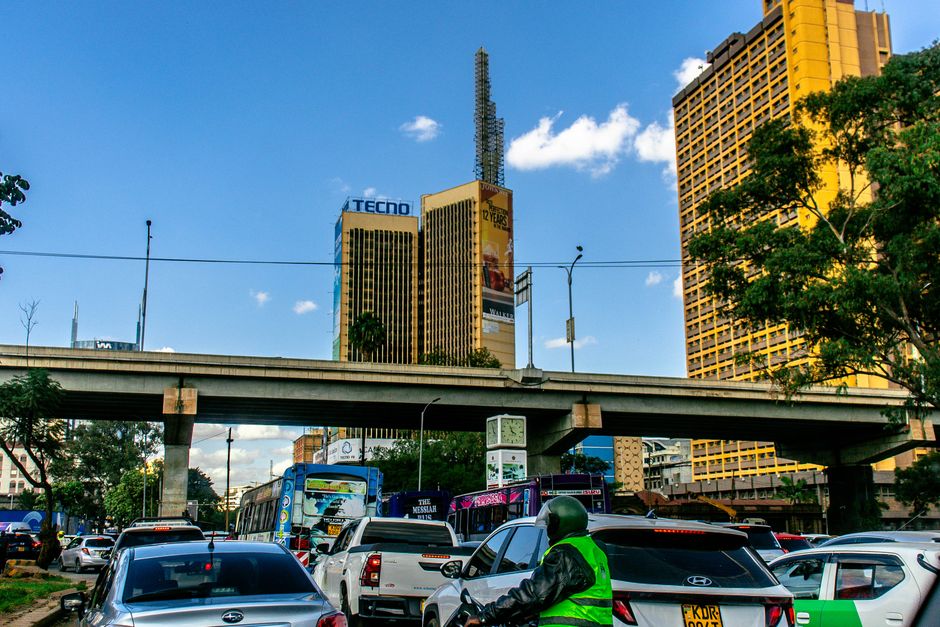
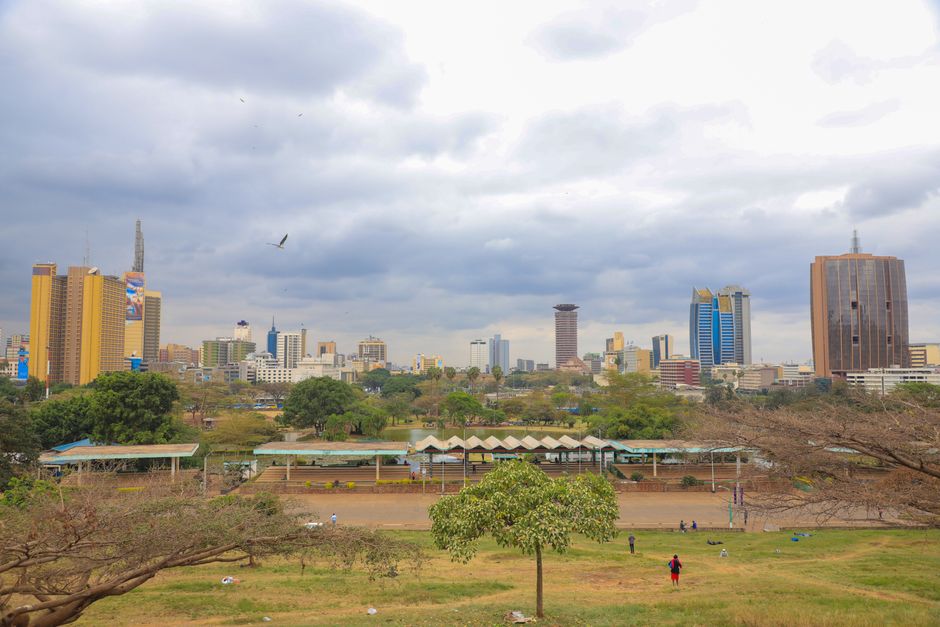
Three separate national policy documents on urban climate resilience sit on the shelves of the State Department for Environment. None of them has stopped Korogocho from going underwater every April. Residents in at least seven Nairobi wards reported property losses during the long rains this year, and community leaders in Mukuru kwa Njenga say they have attended more consultation meetings than they can count without seeing a single drain dredged or a retention pond dug.
The timing matters. Kenya's IMF-backed fiscal consolidation programme, which locked in austerity conditions through 2026, has squeezed the Nairobi Metropolitan Services budget for infrastructure. The Ruto administration pushed the Green Economy Strategy and Implementation Plan as a centrepiece of its development agenda, but ward-level officers confirm that disbursements for climate adaptation in informal settlements have stalled since the third quarter of 2025. Meanwhile, Côte d'Ivoire's catastrophic flooding this week — 59 dead from torrential West African rains — is a sharp reminder of what deferred drainage investment costs in human lives.
The Gap Between the Document and the Drain
Walk along Jogoo Road toward Eastleigh Section Three and you pass a concrete channel that was supposed to carry storm water away from 12,000 households. It was gazetted under the Nairobi Integrated Urban Development Master Plan in 2014. The channel exists. It also runs at roughly 40 percent of its designed capacity because silt removal, scheduled quarterly under the Nairobi City County Environment Department's 2023 work plan, has not happened since January. County officials did not respond to questions on deadline.
The Mathare Environmental Conservation and Social Development Group, a community-based organisation operating out of Mathare North, has been mapping blocked waterways using open-source GPS tools since 2022. Their latest survey, completed in May, identified 34 critical blockage points across Mathare, Huruma, and Kariobangi South. The group submitted the data to City Hall in June. They are still waiting for acknowledgement. On the other end of the city, the Karen Langata Residents Association — representing one of Nairobi's wealthier suburbs — filed a formal complaint with the National Environment Management Authority in March over stormwater runoff from a stalled road construction project on Ngong Road that has redirected water into residential compounds.
The gap is not unique to one income bracket. It runs the full length of the city.
Numbers That Should Force a Decision
Kenya's National Disaster Management Unit estimated that Nairobi County sustained Sh4.7 billion in flood-related losses during the 2024 long rains season. The figure includes damaged housing, destroyed market stock, and disrupted commuter rail services on the Nairobi Commuter Rail network, which suspended operations on the Ruiru corridor for eleven days in May 2024 after embankment erosion near Kahawa West. This year's rains caused similar disruption. The Kenya Meteorological Department has forecast above-normal rainfall through August across the Lake Victoria basin and parts of Central Kenya, meaning Nairobi's drainage infrastructure faces another test before any rehabilitation work is likely to begin.
Against that number, the Environment Department's capital allocation for urban drainage in the 2025-2026 budget was Sh620 million — a figure community groups say is less than a quarter of what engineers recommended in a 2023 assessment commissioned by the county government itself.
Residents and ward administrators are now pressing for three specific actions before the next rains arrive: emergency mechanical dredging of the Nairobi River channel between Gikomba Market and Jogoo Road, mandatory publication of a ward-by-ward drainage maintenance schedule, and an independent audit of where the Sh620 million has been spent. The Mathare group is coordinating with similar organisations in Kibera and Kawangware to submit a joint petition to the County Assembly Environment Committee when it reconvenes on July 14. Whether that petition moves faster than the previous fourteen is the question Nairobi's flooded households are asking, and city officials owe them an answer that goes beyond another policy launch at a hotel conference room on Upperhill.