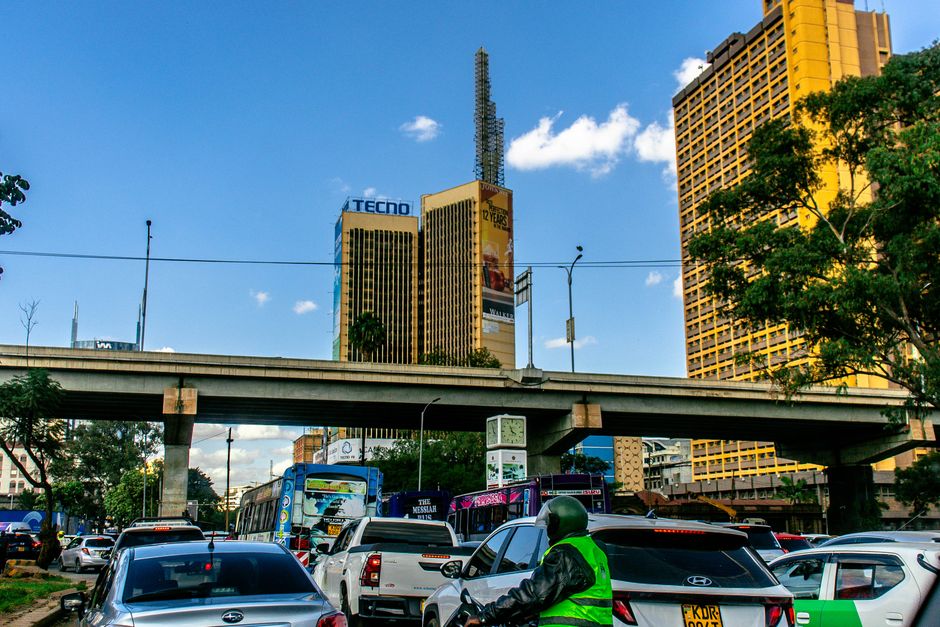
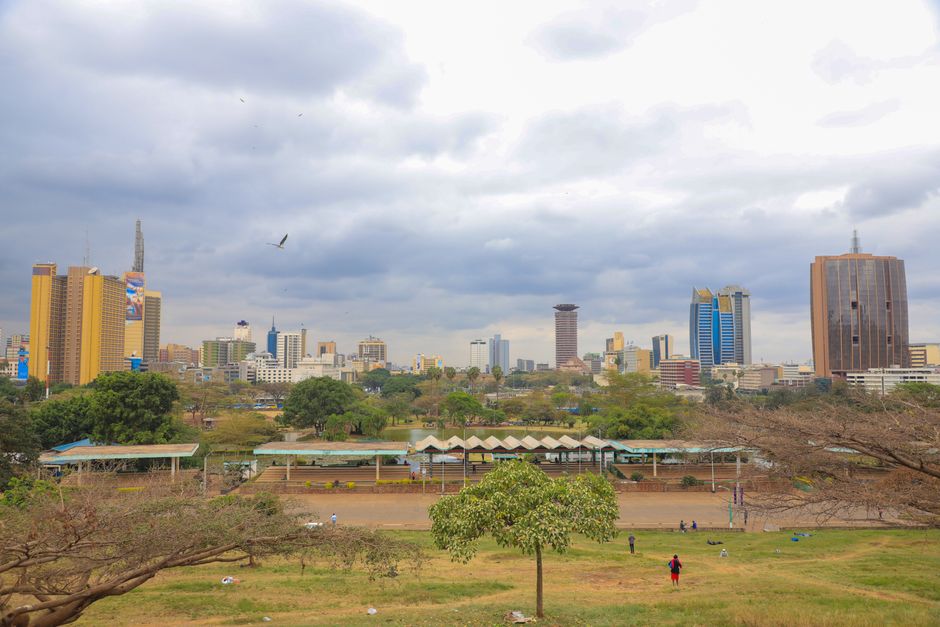
Nairobi City County formally launched its Green Nairobi Climate Action Plan on Thursday, committing to slash greenhouse gas emissions by 30 percent before 2030, plant 4 million trees across the metropolitan area, and convert at least 600 acres of degraded land into public green space. The announcement, made at City Hall on Mama Ngina Street, sets the most detailed emissions targets the county has ever published.
The timing is not accidental. Across West Africa this week, floods killed dozens in Côte d'Ivoire after weeks of torrential rains, and a brutal European heatwave recorded more than 2,000 excess deaths in France alone in a single peak period. Nairobi's planners are watching those numbers closely. The city's own meteorological data, compiled by the Kenya Meteorological Department, shows average daytime temperatures in the central business district have risen by 1.4 degrees Celsius since 2000, driven in part by the loss of tree cover and the rapid hardening of surfaces across Eastlands and industrial zones along Enterprise Road.
Where the Changes Would Actually Be Felt
The plan singles out three priority corridors for immediate intervention. Ngong Road, choked by matatu fumes and construction dust, is earmarked for a dedicated tree-lined cycle and pedestrian lane stretching from the junction at Valley Arcade all the way to the Karen roundabout — a distance of roughly 9 kilometres. In Mathare, where the Mathare River floods almost annually and residents breathe some of the city's worst particulate air, the county plans to rehabilitate 45 acres of riverbank under a programme called the Nairobi River Regeneration Initiative, which has already cleared illegal dumping along a 2-kilometre stretch near Mabatini since a pilot phase began in March 2026.
Karura Forest, managed by the Kenya Forest Service and the Friends of Karura Community Forest Association, is central to the expansion ambitions. The county wants to extend a formal green buffer by linking Karura's northern edge to Kiamumbi and on toward the Ruiru River catchment, effectively tripling the protected corridor accessible to residents of Kasarani and Roysambu. Entry to Karura currently costs Ksh 100 for Nairobi residents on foot — the plan proposes keeping that fee frozen through 2028 while subsidising school group visits entirely.
The Funding Question No One Has Fully Answered
The plan carries an estimated implementation cost of Ksh 47 billion over four years. City Hall is counting on a blend of sources: a promised Ksh 12 billion from the national government's climate budget line, a €80 million concessional loan facility being negotiated with the European Investment Bank, and carbon credit revenues the county hopes to generate by registering urban forestry gains on the voluntary carbon market. Notably absent from Thursday's presentation was any firm commitment from the Treasury, which is itself under pressure from an ongoing IMF austerity programme that has already forced cuts to county equitable share transfers twice since 2024.
The Gen Z-led tax revolt of 2024 hangs over any discussion of new levies. City Hall officials made a point of stating that no new environmental charges would be imposed on households earning below Ksh 50,000 a month. Businesses operating within the Nairobi Central Business District Improvement District, however, will face a revised green compliance fee starting January 2027, the details of which are still being drafted.
Residents in Kibera — where open drainage channels run alongside the Nairobi Dam and air quality monitors installed by the University of Nairobi's Department of Environmental Science recorded PM2.5 levels averaging 68 micrograms per cubic metre in the first quarter of 2026, nearly three times the WHO guideline — have reason to pay close attention to whether the plan's promised community liaison offices actually open. The plan schedules the first of twelve ward-level public consultations for Langata on July 19.
Anyone who wants to follow the process, submit comments, or register a community group for the tree-planting programme can do so through the Nairobi City County environment portal or in person at the Jogoo House annex on Taifa Road. The public comment window closes August 31.