City Hall Released New Air and River Data This Week — and the Numbers Cut Both Ways
Nairobi's latest environmental monitoring report shows measurable gains in solid waste collection but a worsening picture along the Nairobi River corridor.
Nairobi's latest environmental monitoring report shows measurable gains in solid waste collection but a worsening picture along the Nairobi River corridor.
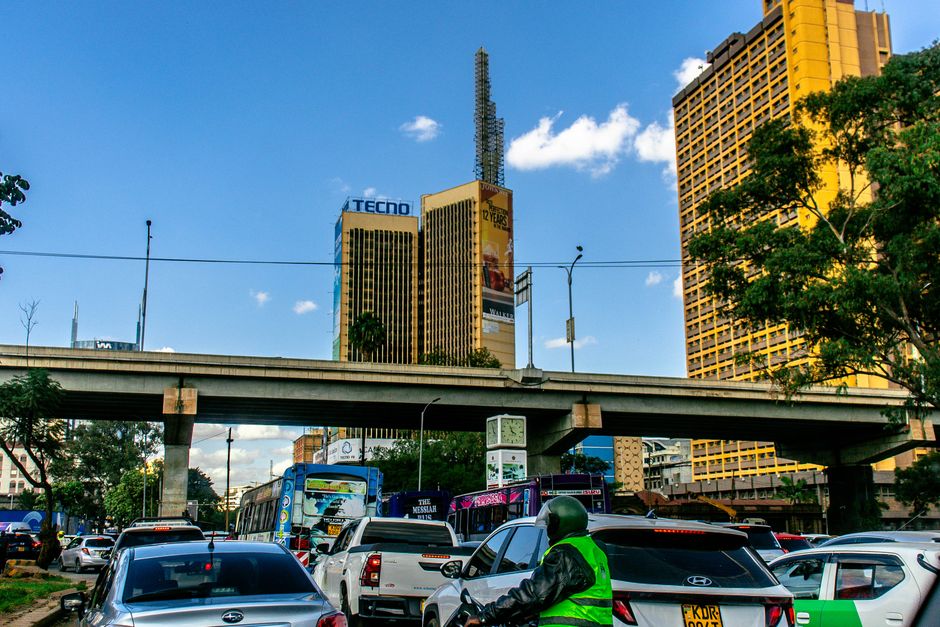
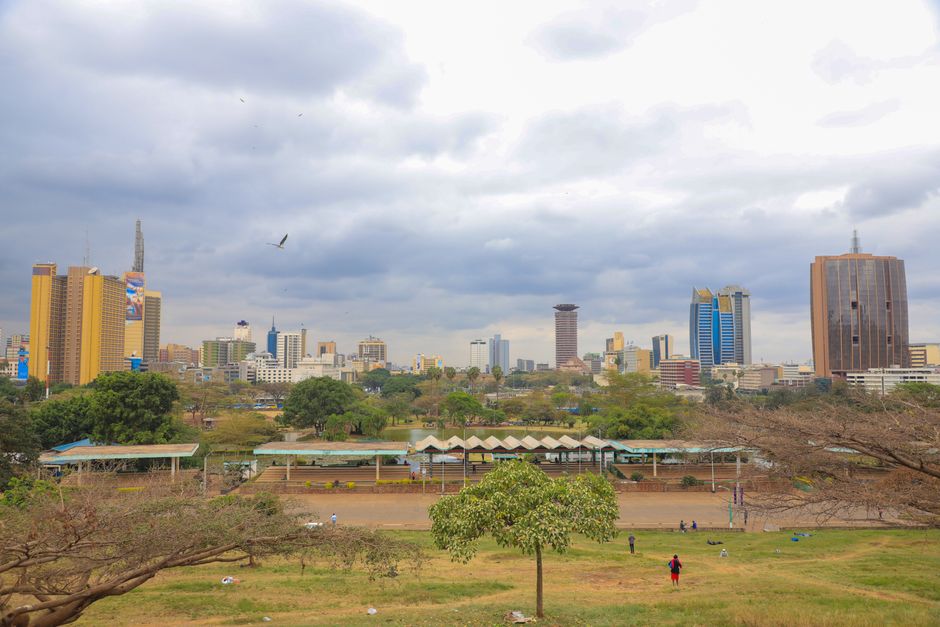
Nairobi County's Environment Department published its mid-year monitoring report on Wednesday, and the headline figure is striking: particulate matter readings at the Upperhill air quality station dropped 18 percent between January and June 2026 compared with the same period last year. Officials attribute the improvement partly to the expanded Nairobi Metro commuter rail service, which has pulled an estimated 34,000 daily car trips off Haile Selassie Avenue and Uhuru Highway since the Syokimau-CBD line added two new morning peak services in March.
The timing of the release matters. Kenya's IMF-backed fiscal consolidation programme has squeezed the National Environment Management Authority's operational budget by roughly Sh420 million over the current financial year, forcing NEMA to rely increasingly on county-level monitoring stations rather than its own mobile units. With the Ruto administration under sustained pressure from both creditors and a public still raw from the 2024 tax revolt, any evidence that austerity is not costing the environment looks politically useful. Environmental advocates say that framing obscures a more complicated picture downstream.
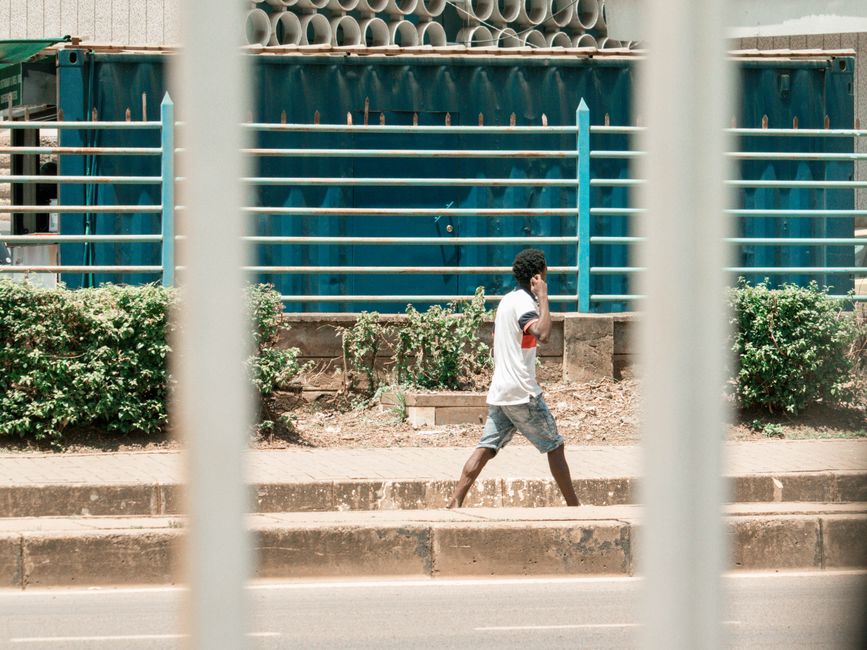
Walk the bank behind Gikomba Market on a Thursday morning and the problem announces itself before you see it. The county report records biochemical oxygen demand levels in the Nairobi River at the Jogoo Road sampling point averaging 340 milligrams per litre in June — nearly seven times the 50 mg/L threshold Kenya's Water Act sets for acceptable discharge into urban waterways. Upstream at the Westlands Bridge monitoring point, the figure is 210 mg/L, still four times the legal limit. Both readings are worse than June 2025.
The Dandora dumpsite, operating beyond its 2011 closure deadline for the fifteenth consecutive year, is a significant factor. An estimated 2,400 tonnes of solid waste still flow through the site each week, and leachate from the eastern edge of the dump continues to reach the Nairobi River via the Mathare tributary. The county's own Solid Waste Management Programme recorded a 12 percent increase in formal collection coverage across Eastlands between February and June, a genuine improvement. But coverage gains mean little when the receiving infrastructure — the dumpsite itself — has not changed.
The Mukuru Integrated Development Programme, which covers the Mukuru kwa Njenga, Mukuru kwa Reuben and Viwandani settlement clusters, has been running community-level waste sorting points since late 2024. As of this week's report, six of the twelve planned sorting sheds are operational, diverting roughly 80 tonnes of recyclable material per month away from open dumping. Programme coordinators had targeted all twelve sheds by April; procurement delays pushed the timeline. Four more sheds are now expected by September.
County Environment executives are scheduled to present the full report to the Nairobi County Assembly's Environment Committee on July 15 at City Hall Annex on Mama Ngina Street. Committee members are expected to press officials on why the Sh1.2 billion allocated to the Nairobi River Regeneration Project in the 2025-26 budget has seen less than 30 percent disbursement with three weeks left in the financial year.
For residents living near the river — particularly in Korogocho and along the lower Mathare Valley — the practical advice from public health workers this week is unchanged and blunt: do not use river water for any domestic purpose, keep children away from the banks during and after rainfall when pathogen concentrations spike, and report illegal discharge points to the county environment hotline at 0800 723 151, which is free to call from any network.
The air quality gains are real and should not be dismissed. But a city cannot call itself cleaner when its main river is getting dirtier. That tension will define the debate at City Hall Annex on the 15th.
How does this story make you feel?
Spread the word
About this article
Published by The Daily Nairobi
Daily brief
Free, in your inbox before 7am. Weekdays.
More in News