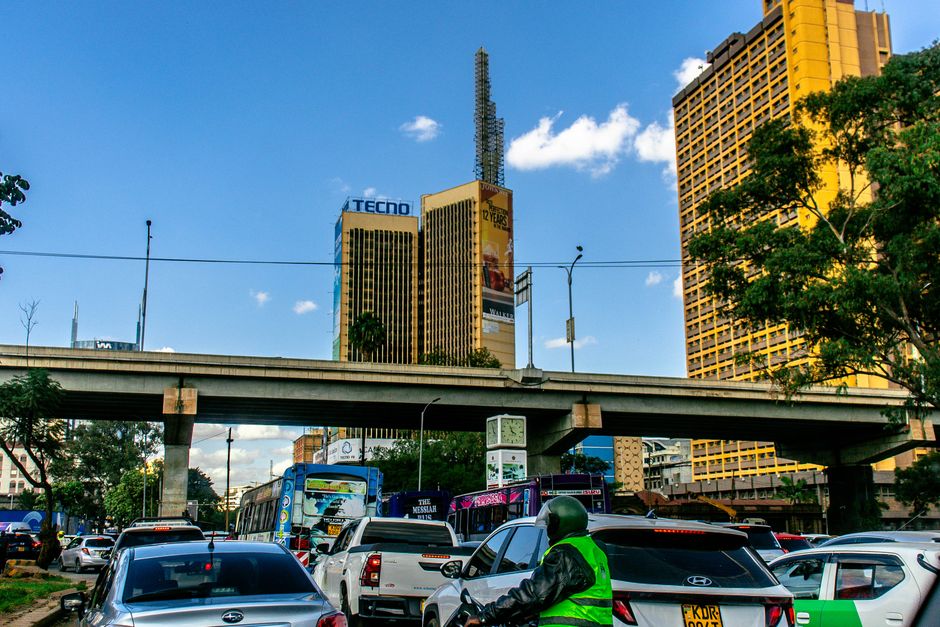
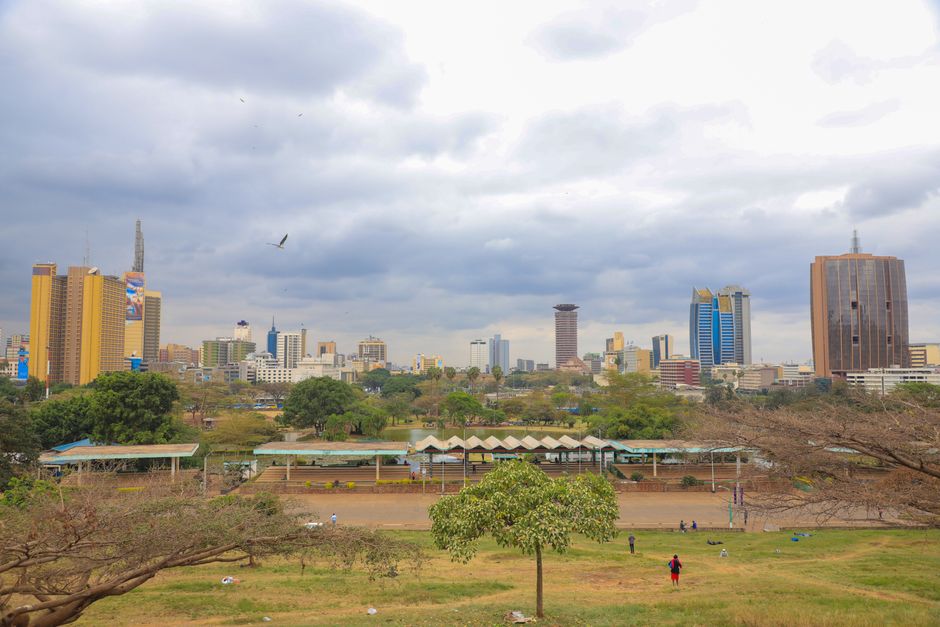
The Kenya National Highways Authority confirmed this week that construction contracts worth Sh47 billion for the Nairobi Expressway Phase Two and the Western Bypass expansion will be signed before the end of August 2026, a deadline the Ruto administration has staked considerable political capital on meeting. For the matatu operators, hawkers, and office workers who navigate the city's arteries every morning, the announcement landed with the dull thud of a promise they have heard before.
The timing matters. Nairobi's population has crossed the five million mark, according to the Kenya National Bureau of Statistics 2025 mid-year estimates, and vehicle registrations in the county grew by roughly 11 percent between 2023 and 2025. The city's road network, much of it designed for a population half the current size, has not kept pace. The government is also under an IMF-backed fiscal consolidation programme that has squeezed infrastructure budgets, making every shilling committed to tarmac a negotiation with creditors.
The Human Cost Along Thika Road and Mombasa Road
Spend a Tuesday morning at the Githurai 45 stage and the frustration is visceral. Commuters heading to the central business district via Thika Superhighway regularly report journey times of two to three hours for a distance that Google Maps prices at 22 kilometres. The Nairobi Metropolitan Area Transport Authority — NaMATA — recorded average peak-hour speeds of just 14 kilometres per hour on the Thika Road corridor in a March 2026 survey. On Mombasa Road, approaching the Likoni Roundabout from South B, that figure drops further.
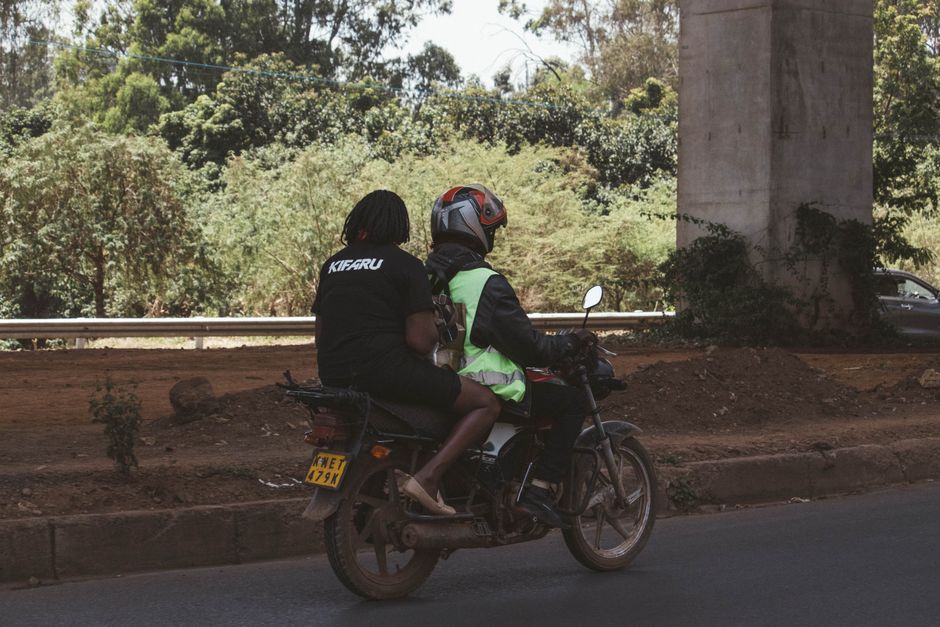
A vegetable trader who runs stock from Wakulima Market to a kiosk in Kayole described losing between 90 minutes and two hours daily to gridlock. A nurse at Mama Lucy Kibaki Hospital in Embakasi said she now leaves home in Ruiru before 5 a.m. to guarantee she reaches her ward by the 7 a.m. shift change. A boda boda rider based at the Jomo Kenyatta International Airport junction said fuel costs have jumped enough since 2023 that sitting in traffic, engine idling, now regularly wipes out his morning margin.
These are not isolated anecdotes. A 2025 report by Nairobi-based think tank ICEA Lion Economic Research estimated that traffic congestion costs Kenya's economy approximately Sh50 billion annually in lost productivity, excess fuel consumption and delayed freight — a figure that has grown from Sh35 billion in the pre-pandemic baseline year of 2019.
What the Overhaul Actually Includes — and What It Doesn't
The government's plan has three main components. First, the completion of the Western Bypass linking Ruaka to Rironi on the Nakuru highway, a project that stalled repeatedly under the Jubilee administration and resumed under Ruto in late 2024. Second, expansion of the Nairobi Commuter Rail network operated by Kenya Railways, specifically adding frequency on the Syokimau and Ruiru lines to a target of 40 trains per day by December 2026, up from the current 18. Third, NaMATA's Bus Rapid Transit corridor along Ngong Road, which reached the foundation-laying stage at the Dagoretti Corner junction in May 2026.
Critics inside civil society, including the Nairobi Urban Forum, point out that none of these projects directly address the Eastlands arterials — Jogoo Road, Kangundo Road, Outer Ring Road — where the densest informal settlements and some of the city's worst bottlenecks converge. The Gen Z-led tax revolt of 2024 left the government politically wary of new road levies, which means alternative financing for those corridors remains genuinely unclear.
Residents in Mathare, Korogocho and along the Eastleigh bypass have been told by their ward representatives to expect a detailed Eastlands Transport Masterplan by October 2026. Whether that document arrives on schedule, and whether it comes with actual funding commitments rather than a shelf life in a government drawer, is the question residents in those neighbourhoods are already treating with considerable scepticism. In the meantime, the 5 a.m. alarms keep going off.