Nairobi's Peak Season Crime Surge: The Decisions That Will Define the Next Three Months
With tourist arrivals up and economic pressure biting hard, city authorities face a narrow window to act before the July-September peak tips into crisis.
With tourist arrivals up and economic pressure biting hard, city authorities face a narrow window to act before the July-September peak tips into crisis.

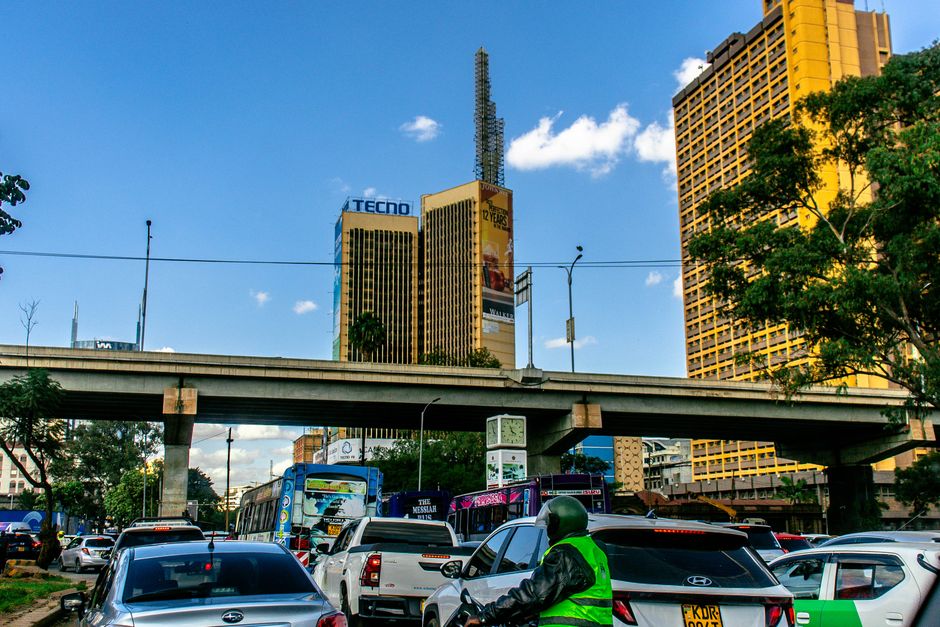
Nairobi's Directorate of Criminal Investigations logged a 23 percent spike in street crime and opportunistic theft during the July-to-September window last year, and commanders at Jogoo House are already bracing for worse in 2026. The combination of school holidays, elevated tourist foot traffic along Kimathi Street and the Garden City corridor, and a cost-of-living squeeze that has pushed basic unga to Ksh 230 per two-kilogram packet means the conditions for a difficult season are firmly in place.
The timing matters for reasons beyond policing. President William Ruto's UDA administration is fighting on multiple fiscal fronts — an IMF austerity programme that capped the 2025-26 budget, a Gen Z protest legacy that has made new revenue measures politically radioactive, and a tourism sector that generated Ksh 352 billion in 2025 and cannot afford a reputation hit heading into the Q3 high season. A single high-profile robbery on the Nairobi Safari Walk or along the Westlands bar strip gets amplified globally within hours. The government knows it.
Eastleigh's Section Three and the backstreets around River Road in the central business district remain the two highest-density flashpoints according to internal NPS area reports seen by The Daily Nairobi. Snatch-and-run incidents targeting mobile phones and laptops have been concentrated near the Odeon roundabout and along Ronald Ngala Street, where hawker density makes pursuit almost impossible. In the western suburbs, Lavington and Kilimani have seen a quieter but distinct rise in residential break-ins since April — a pattern the Kenya Private Sector Alliance's security committee attributed partly to the lag effects of last year's fuel subsidy removal.
The Nairobi Metropolitan Services, now operating under a restructured mandate after the 2024 devolution negotiations, has redeployed 340 county enforcement officers to support the Kenya Police Service on foot patrol rosters. The programme, called Operation Salama Mtaa, started on June 23 and runs through September 30. Officers are covering 14 designated hotspot zones, including Gikomba Market, the Bus Station area off Tom Mboya Street, and the approaches to Nairobi Railway Station — where the commuter rail expansion has drawn larger crowds but not proportionally larger policing resources.
Three choices will largely determine whether this peak season holds. First, the National Police Service Commission must decide by mid-July whether to approve an emergency redeployment of 600 officers from upcountry postings — a request sitting with the Inspector General since June 19. Without it, the current officer-to-resident ratio in Nairobi's informal settlements, estimated at roughly 1 officer per 1,800 residents in Mathare and Korogocho, stays dangerously thin.
Second, the Nairobi County government under Governor Johnson Sakaja's successor administration must settle a budget standoff over the Safer Cities CCTV upgrade contract. Phase Two of the camera network — covering Ngong Road from the junction at Prestige Plaza down to Karen — has been stalled since March over a disputed Ksh 1.4 billion tender. Every week that lapses is a week those corridors remain effectively unsurveilled.
Third, and least visible to outsiders, is the question of community policing funding. The Nyumba Kumi initiative, which operates through village elder networks across informal settlements including Mukuru kwa Njenga and Kibera's Soweto East zone, received zero allocation in the June supplementary budget. Ward administrators say their informant networks are going quiet as volunteers lose confidence that the system is backed by anyone with real authority.
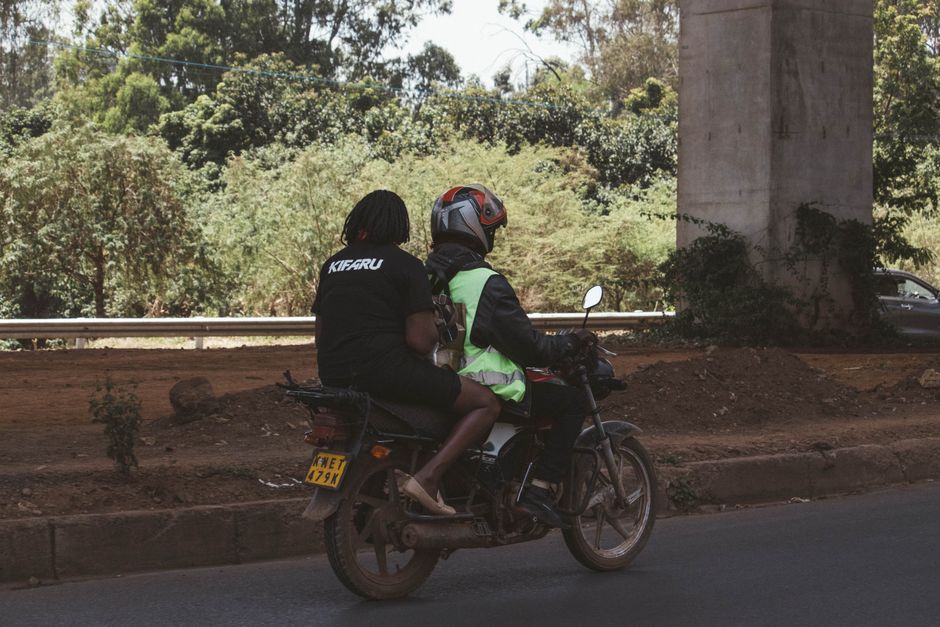
For residents and visitors navigating the city right now, the practical picture is straightforward: keep valuables off Moi Avenue after 8 p.m., use licensed boda boda operators registered under the NTSA digital platform rather than freelancers at matatu termini, and report incidents directly to the DCI through the 0800 722 203 hotline, which is toll-free and logged centrally rather than at individual station level. The decisions made in Jogoo House and City Hall over the next six weeks will determine whether those advisories need to get significantly sharper before September ends.
How does this story make you feel?
Spread the word
About this article
Published by The Daily Nairobi
Daily brief
Free, in your inbox before 7am. Weekdays.
More in News