From Tax Revolt to Transformation: How Nairobi Arrived at Its Infrastructure Crossroads
The protests of 2024 upended the fiscal compact between state and citizen — and the city is still feeling the aftershocks.
The protests of 2024 upended the fiscal compact between state and citizen — and the city is still feeling the aftershocks.
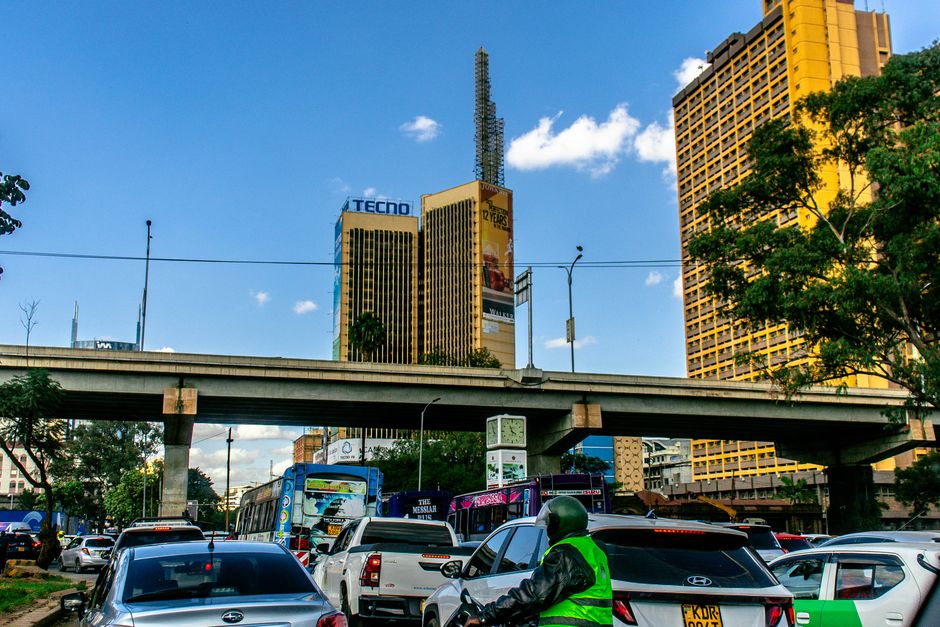
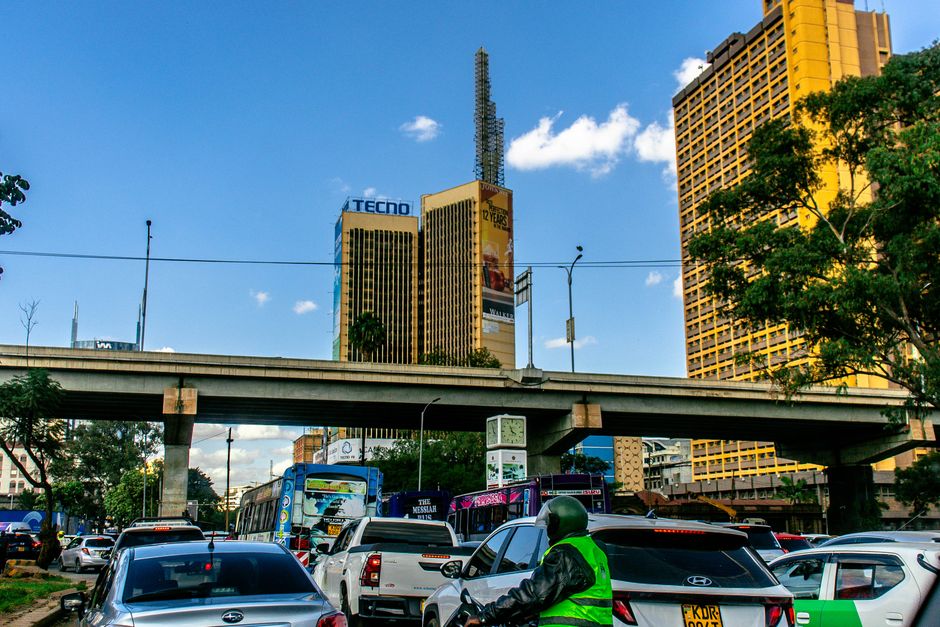
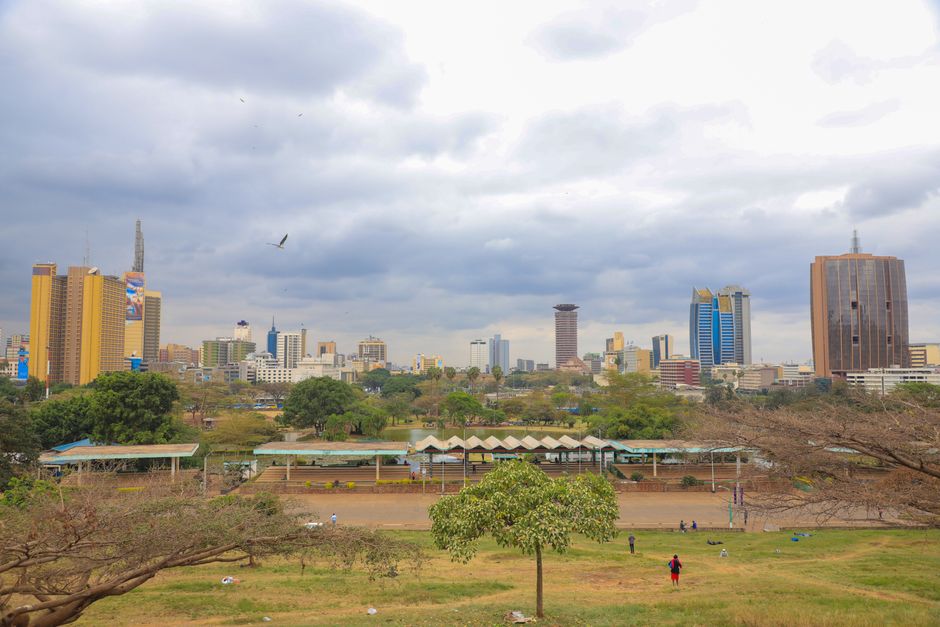
Nairobi is in the middle of the most contested urban rebuilding moment in its post-independence history. The Nairobi Metro Commuter Rail expansion, the Affordable Housing Programme rolling out across Pangani and Park Road, and a sprawling informal settlement upgrade targeting Mathare and Mukuru kwa Njenga are all active simultaneously — yet every shilling funding them is borrowed against a government that nearly lost its mandate in the streets two summers ago.
That tension is not incidental. It is the story. Understanding what Nairobi looks like in July 2026 requires going back to June 2024, when tens of thousands of young Kenyans, many of them from Kibera, Kawangware and Eastlands, stormed Parliament Road and briefly breached the National Assembly. The immediate trigger was the Finance Bill 2024 and its proposed taxes on bread, cooking oil and mobile money transfers. President William Ruto withdrew the bill within days. But the fiscal hole that bill was supposed to fill did not disappear.
Kenya's standby arrangement with the International Monetary Fund — negotiated under the Extended Fund Facility and worth approximately $3.6 billion — imposed conditions that Ruto's administration could not easily escape. Fuel subsidy reductions, civil service wage freezes and VAT rationalisation all followed. By January 2025, the Kenya Revenue Authority was targeting a Sh2.9 trillion collection ceiling for the financial year, a figure widely regarded by economists at the Strathmore Business School as optimistic given suppressed consumer demand.
The government did not collapse. But it shrank its ambitions, or rather, it redirected them. Housing became the flagship. Roads became symbolic. And commuter rail, long the neglected stepchild of Nairobi transport policy, suddenly attracted serious money. The Nairobi Commuter Rail project, operated by Kenya Railways Corporation out of the Syokimau terminus, added two new peak-hour services along the Embakasi corridor in March 2026. Daily ridership on the network crossed 35,000 passengers for the first time in April, according to Kenya Railways data — still a fraction of what the system needs to carry to ease the Thika Superhighway and Mombasa Road gridlock, but a real number after years of near-abandonment.
The Silicon Savannah dimension matters here too. Nairobi's tech sector, anchored around Westlands, Upper Hill and the iHub space on Ngong Road, was growing fast enough by late 2023 that municipal infrastructure was visibly failing to keep pace. Fibre outages along Waiyaki Way, chronic flooding at the Ngong River crossing near Adams Arcade and the collapse of a retaining wall in Kilimani in February 2025 were not freak events. They were symptoms of a city whose revenue base had not kept up with its ambitions.
Nairobi County, under Governor Johnson Sakaja's successor, has been working through a Sh47 billion annual budget for the 2025-2026 financial year, roughly 18 percent of which is externally financed through World Bank urban resilience grants and the French development agency AFD's partnership on drainage upgrades in Ruiru and Kahawa West. The Mukuru Special Planning Area, gazetted in 2022 and covering roughly 632 acres, finally moved past the planning phase in early 2026 with the first 1,200 households in Mukuru kwa Reuben receiving title documentation under the National Land Commission's regularisation process.
None of this happened cleanly. The Gen Z protest legacy introduced a new political arithmetic: any visible infrastructure project now needs to survive scrutiny on social media before it survives at the ballot box. Cost overruns on the Park Road affordable housing blocks, which the National Housing Corporation pegged at Sh1.8 billion over budget in its March 2026 parliamentary submission, became a trending topic within 48 hours.
What happens next depends on whether the KRA hits its revenue targets in the second half of 2026 and whether the IMF programme's fourth review, scheduled for October, unlocks the next disbursement tranche. Residents along the Mathare River corridor, who have been watching flood mitigation earthworks stall for three months, are not waiting on those numbers. They are watching the long rains and hoping the gabions hold.
How does this story make you feel?
Spread the word
About this article
Published by The Daily Nairobi
Daily brief
Free, in your inbox before 7am. Weekdays.
More in News