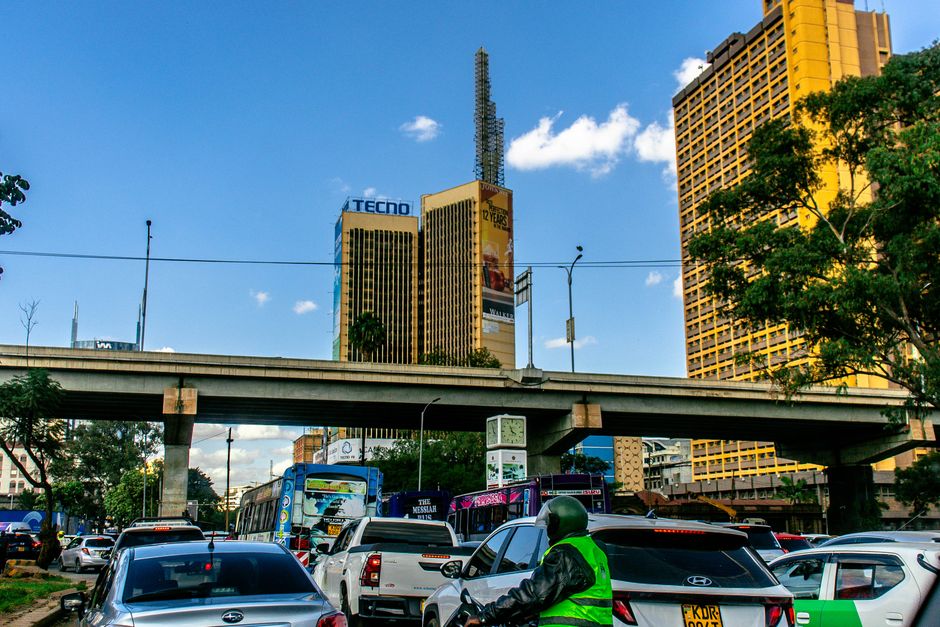
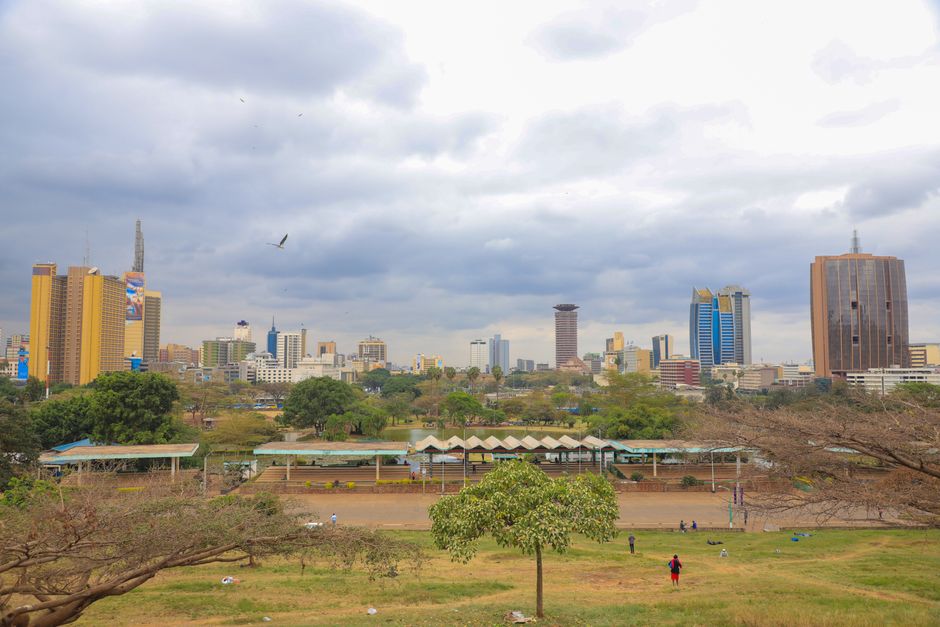
Nairobi hosts an estimated 700,000 migrants and refugees — roughly one in eight of its official population — yet the city still has no dedicated municipal integration framework. That gap is about to close, or widen further, depending on which way the Nairobi City County government moves before the end of 2026.
The stakes feel particularly sharp right now. The Ruto administration's IMF-backed austerity programme has squeezed county budgets by nearly 18 percent in real terms since 2024, forcing officials to make brutal choices about who gets access to subsidised housing, health clinics, and the expanded commuter rail network running out of Nairobi Terminus on Haile Selassie Avenue. Migrants — many of them South Sudanese, Congolese, and Somali nationals concentrated in Eastleigh and Kayole — are watching those choices closely.
"We are not invisible, but we are treated as if we are temporary," one community organiser with the Eastleigh-based Refugee Consortium of Kenya told The Daily Nairobi this week, speaking on condition of anonymity because of ongoing negotiations with county officials. The Consortium, which has operated on Eastleigh's 1st Avenue since 2009, runs legal aid and livelihood clinics for roughly 4,200 registered clients each month.
The Programmes That Could Define the Next Chapter
Two initiatives are sitting in the in-tray of Governor Johnson Sakaja's successor, who took office in August 2025. The first is the Nairobi Informal Settlement Upgrading Programme, which is targeting 15 priority neighbourhoods including Mathare, Mukuru kwa Njenga, and Korogocho. Community groups want explicit guarantees that long-term migrant residents — not just Kenyan citizens — qualify for resettlement support when structures are demolished and rebuilt. So far, county guidelines are silent on the question.
The second is the Silicon Savannah digital ID pilot, a joint project between the Kenya ICT Authority and Konza Technopolis management that is rolling out a biometric residency card in three Nairobi subcounties from September 2026. Advocates argue the card is a rare opportunity: if migrants are included in the registration window, it could give hundreds of thousands of people documented proof of address for the first time, unlocking bank accounts, school enrolment, and formal employment. If they are excluded, the digital divide deepens. The pilot budget stands at Ksh 1.4 billion, according to ICT Authority procurement notices published in May.
The numbers tell part of the story. UNHCR's 2025 Kenya operation report put registered urban refugees in Nairobi at 118,000, but community groups say the real figure of migrants — including those without formal status — is four to five times higher. In Eastleigh alone, the informal economy generates an estimated Ksh 6 billion a month in trade, much of it driven by Somali and Ethiopian business owners who pay city council levies but hold no formal residency recognition.
What Comes Next — and Who Decides
The Nairobi Metropolitan Services has scheduled a stakeholder forum for September 12 at the Kenyatta International Convention Centre on Harambee Avenue. Community organisations including Heshima Kenya, which supports urban refugees from the Great Lakes region and operates from offices near the UN compound in Gigiri, have confirmed they will attend and push for an explicit migrant inclusion clause in the county's 2027–2030 Integrated Development Plan.
Whether that clause makes it into the final document depends largely on political will at the county assembly on City Hall Way, where a vocal bloc of members has repeatedly framed migrant inclusion as a threat to local employment — a framing that gained traction during the Gen Z tax protests of 2024, when economic anxiety ran high across working-class Nairobi.
The timeline is tight. The Integrated Development Plan must be gazetted by January 31, 2027 to qualify for World Bank co-financing worth $140 million. Miss that date, and the county loses not just the money but the external accountability mechanisms that advocates say are the migrants' best protection. Six months is not long. The decisions are overdue.