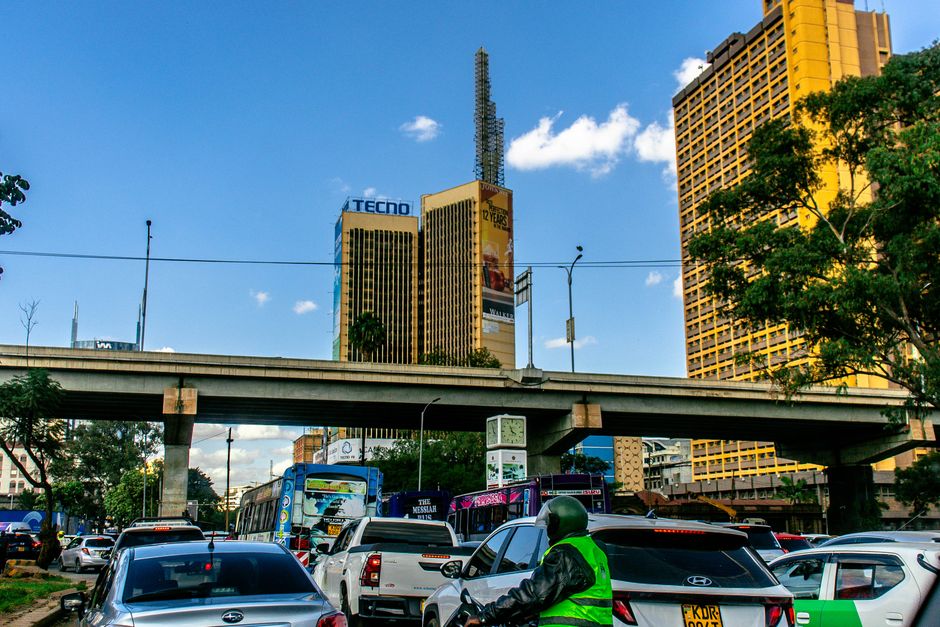
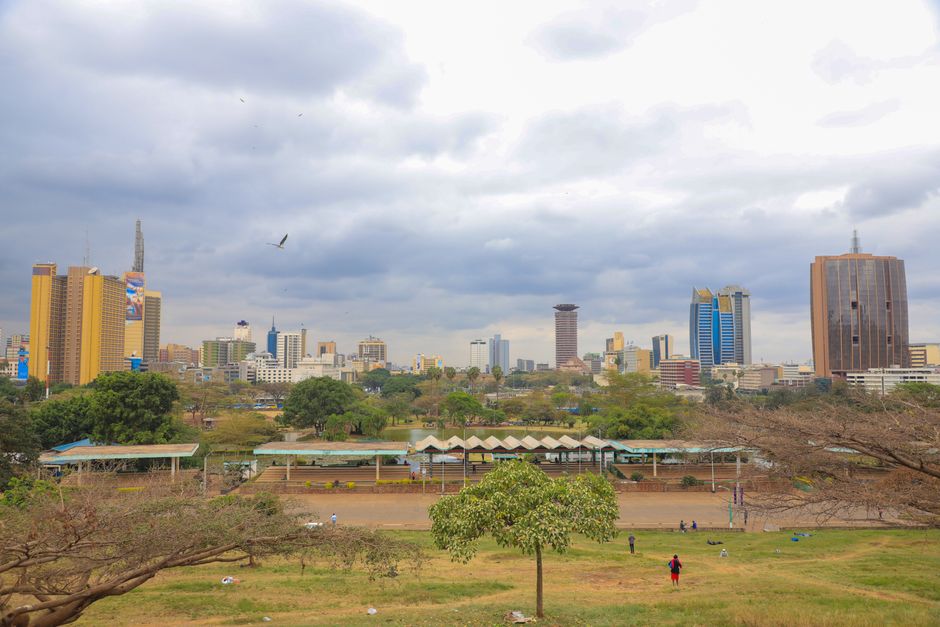
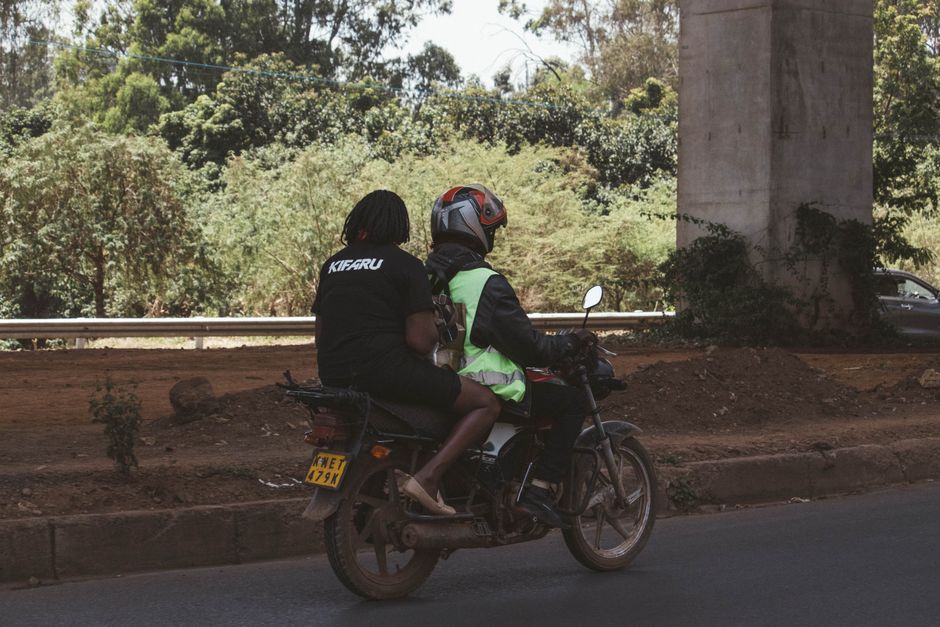
The Kenya National Highways Authority confirmed this week that average peak-hour travel times on the Nairobi Expressway between Mlolongo and Westlands have stretched to 47 minutes — nearly double the 25-minute benchmark cited when the toll road opened in May 2022. The figure, drawn from traffic monitoring data shared with the National Transport and Safety Authority, has reignited a simmering argument between government agencies, private operators and commuter advocates about whether the city's flagship infrastructure investment is actually working.
The timing is awkward for the Ruto administration. Kenya is midway through a demanding IMF-backed fiscal consolidation programme, public trust in government spending is brittle after the Gen Z tax revolt of 2024, and the Kenya Urban Roads Authority is trying to defend a pipeline of projects — including the long-delayed Bus Rapid Transit corridor — against calls for budget cuts from the National Treasury. Getting Nairobi moving is, in short, both a political and an economic imperative.
Officials and Experts Divided on the Cause
KENHA's acting director of operations told The Daily Nairobi that the congestion spike is primarily explained by a 23 percent rise in registered private vehicles in Nairobi County between January 2024 and June 2026, outpacing any new road capacity. He pointed to ongoing lane-narrowing works near the Haile Selassie Avenue interchange as a contributing factor but said those works are scheduled to wrap up by September 15.
Urban transport researcher Dr. Jacinta Mwangi at the University of Nairobi's Institute for Development Studies disagrees with that framing. She argues the expressway's Sh317 toll for a single trip between the Mlolongo entry point and Westlands has effectively priced out lower-income commuters, pushing them onto already-saturated surface roads like Mombasa Road and Jogoo Road, creating a two-tier system that worsens congestion for the majority. "The expressway was never designed to solve Nairobi's mobility problem — it was designed to monetise a slice of it," she told this reporter, speaking in her own capacity.
Mathare North MP Antony Oluoch, who has raised the BRT delays in three consecutive sessions of the National Assembly since March, is more direct. He told constituents at a public baraza in Huruma on June 28 that the first operational BRT corridor — the Thika Road segment running from the Central Business District to Githurai 45 — has now missed four separate launch deadlines since 2021. The latest target, a phased rollout beginning October 2026, is already facing scepticism from transport advocacy group Nairobi Urban Commuters Alliance, which says dedicated bus lane markings along Tom Mboya Street and Racecourse Road remain unpainted.
What the Commuter Data Shows
A June 2026 survey by Strathmore University's Centre for Sustainable Urban Development found that 61 percent of Nairobi workers who rely on matatus spend more than 90 minutes commuting each way. The same survey put average monthly matatu expenditure for a household in Embakasi East at Sh4,200 — roughly 18 percent of the median monthly income in that area. Those numbers land hard against the backdrop of the Nairobi Metropolitan Area Transport Authority's repeated assurances that commuter rail improvements along the Syokimau line are reducing pressure on road corridors.
The Syokimau commuter rail service, operated by Kenya Railways under a contract running through December 2028, currently moves approximately 11,000 passengers daily — a figure transport planners say needs to reach 40,000 before it meaningfully shifts modal share. A Sh2.3 billion station upgrade at the Nairobi Central Railway Station, funded partly through a World Bank urban mobility grant, is underway but not due for completion until mid-2027.
For commuters catching the Number 58 matatu from Pipeline to the CBD every morning, the policy debates feel remote. Nairobi Urban Commuters Alliance is urging the Nairobi City County government to convene an emergency transport summit before the end of July — specifically to address the Jogoo Road bottleneck between Pumwani and Fire Station roundabout, which they say has deteriorated faster than any other corridor this year. Whether county officials respond will offer the clearest signal yet of how seriously local authorities are treating a crisis that is, by every available measure, getting worse.