Walk down Valley Road in Westlands on a weekday afternoon, and you'll notice something familiar: office-to-let signs clustered like breadcrumbs. The same pattern repeats along State House Road and deeper into Kilimani's tree-lined avenues. Nairobi's rental market is sending mixed signals, and recent property auction data reveals a story landlords can no longer ignore.
Over the past eighteen months, residential auction volumes have climbed steadily across the capital, with vacant units dominating listings on platforms like Hass Consult and Knight Frank reports. A three-bedroom apartment in Lavington that might have rented for KES 250,000 monthly two years ago now fetches KES 180,000–200,000. Meanwhile, comparable units in emerging corridors like Ruaka and Syokimau command KES 80,000–120,000, yet still languish on the market for 90+ days. The data suggests a bifurcated rental economy: premium locations holding ground, while mid-market neighbourhoods hemorrhage tenants.
Auction results tell an equally revealing story. Properties hitting the block increasingly come from distressed landlords—developers who over-leveraged during the 2021–2023 boom when the city's average residential price hovered near KES 15 million. Recent clearance rates have dipped below 45%, down from 60%+ just three years ago. This isn't mere softening; it's a recalibration. Buyers are bidding defensively, pricing in extended vacancy periods and regulatory uncertainty around property management and tax compliance.
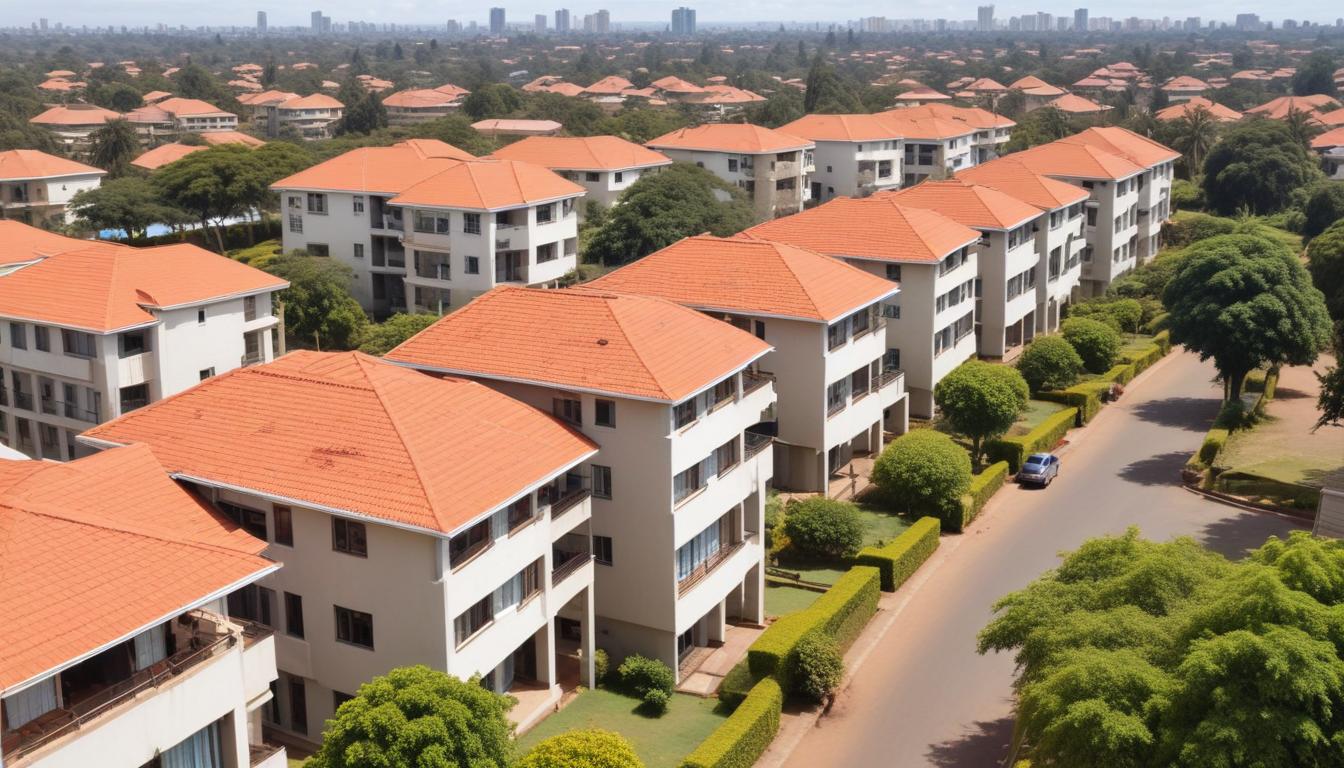
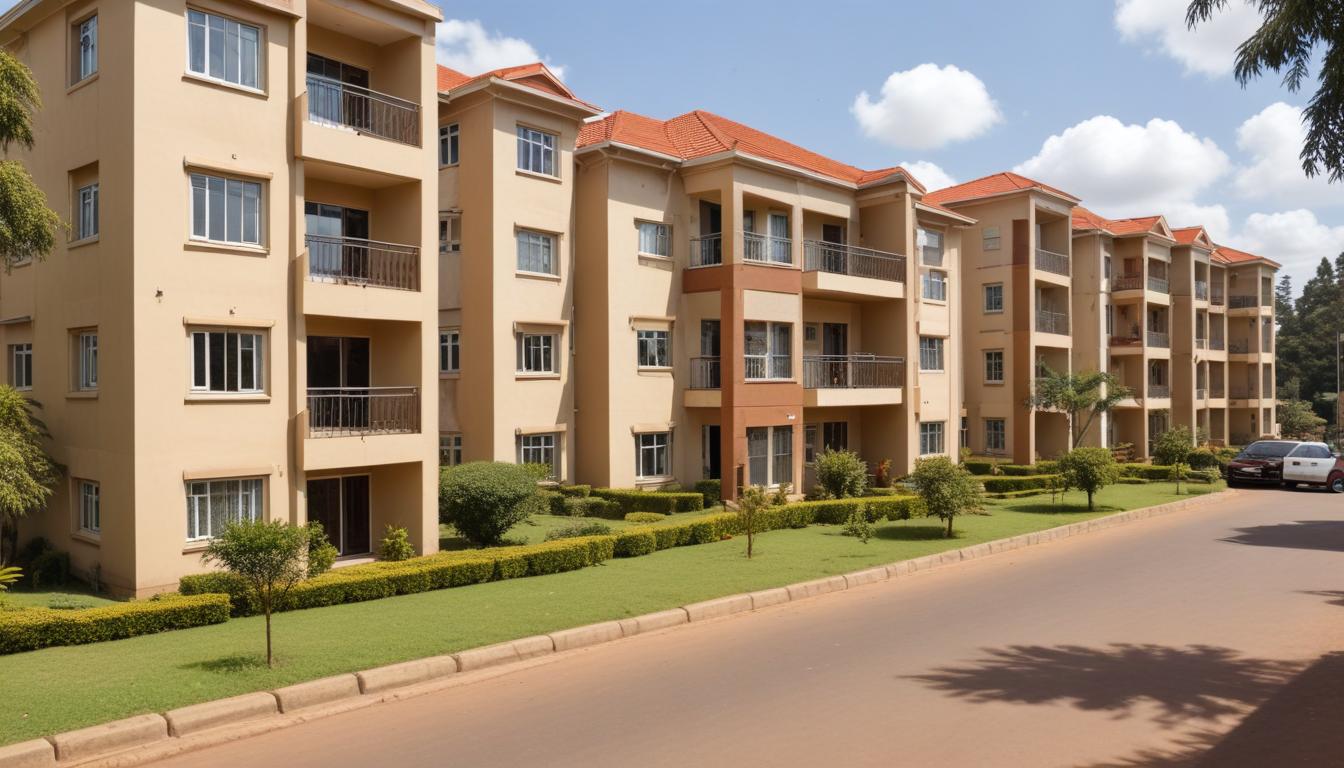
The geography divide is stark. In Kileleshwa and Kilimani—where young professionals and corporate expats cluster—vacancy sits around 8–12%. Landlords here adjust rents grudgingly, secure in the knowledge that replacement tenants exist. But venture further: entire apartment blocks in Kasarani and parts of Eastleigh sit 30–40% vacant. Studios advertised at KES 25,000 monthly remain unfilled for months.
What's driving this? Three forces converge. First, remote work has fractured Nairobi's geography—tech workers no longer need to live in CBD-adjacent enclaves. Second, new supply in growth corridors has flooded the market faster than demand could absorb it. Third, regulatory costs—property taxes, compliance burdens—have compressed net yields, pushing marginal landlords toward auction rather than holding.
For tenants, the takeaway is clear: negotiating power is returning, but only in secondary markets. In Westlands or Lavington, expect to pay premium rates for premium locations. Elsewhere, patience and flexibility can unlock genuine discounts. Landlords' data isn't lying—the margin for error has simply narrowed.
This article was compiled by AI from the sources linked above and screened before publishing. See our editorial standards.