Nairobi's rental market is experiencing a structural shift. The proliferation of new residential developments—particularly in emerging corridors—is creating pockets of oversupply that savvy tenants can exploit, while traditional premium zones remain stubbornly competitive.
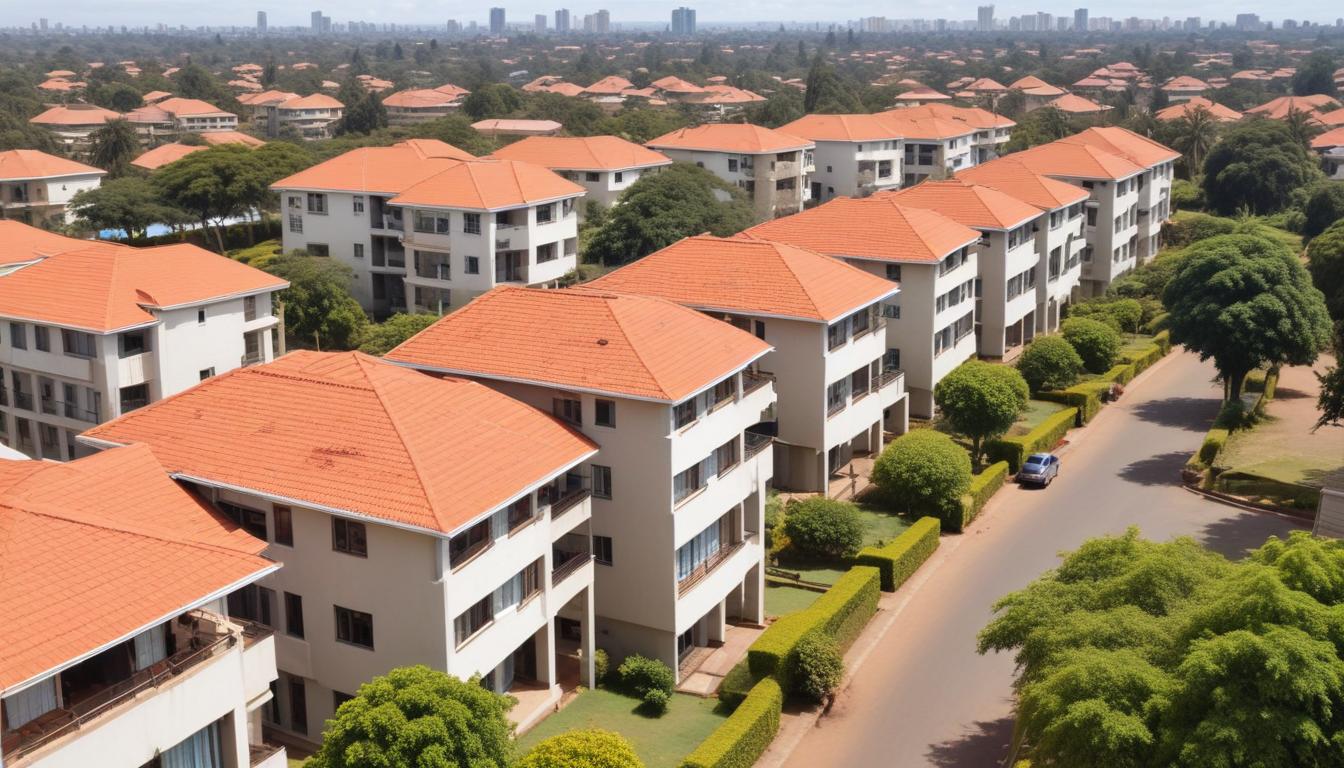
Data from property portals tracking Nairobi's rental landscape suggests vacancy rates in newer developments have climbed to 12–15% in areas like Ruaka and Syokimau, compared to 6–8% in established neighbourhoods such as Westlands and Lavington. This divergence matters enormously for renters.
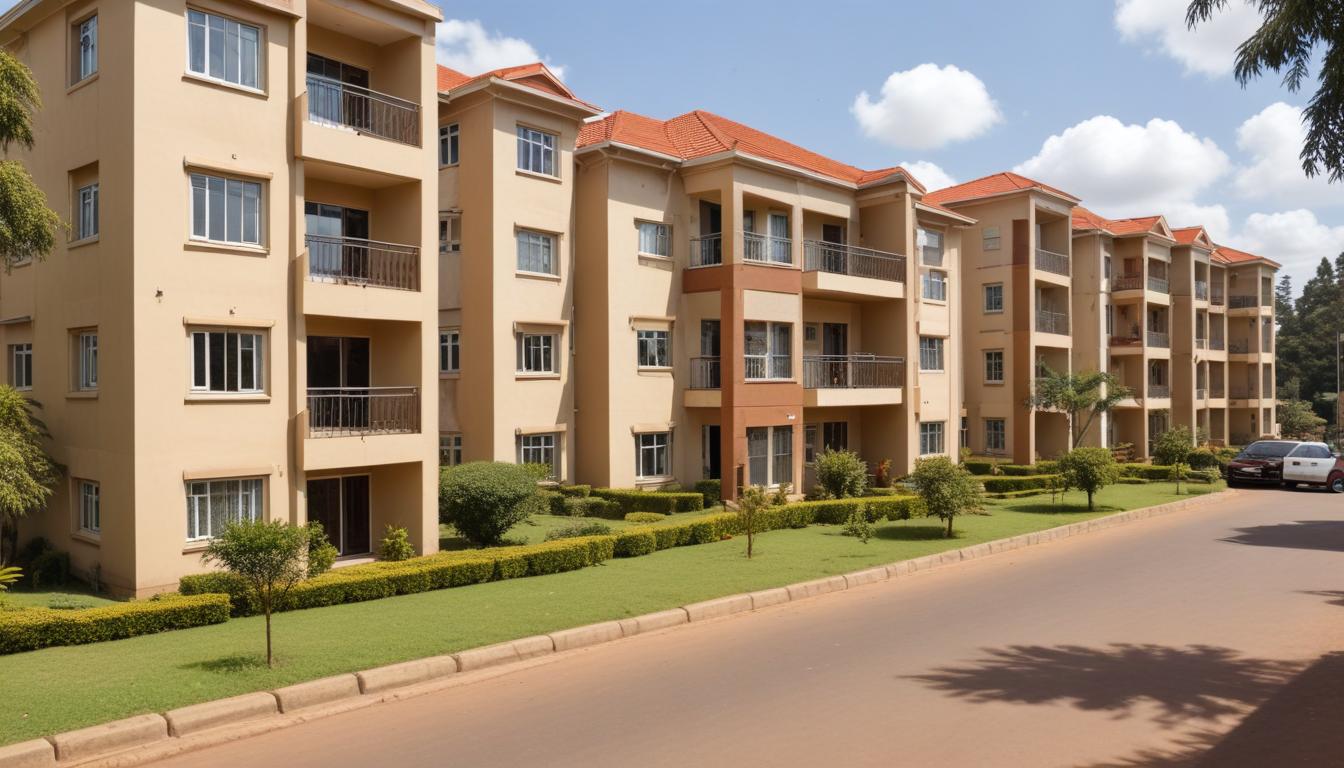
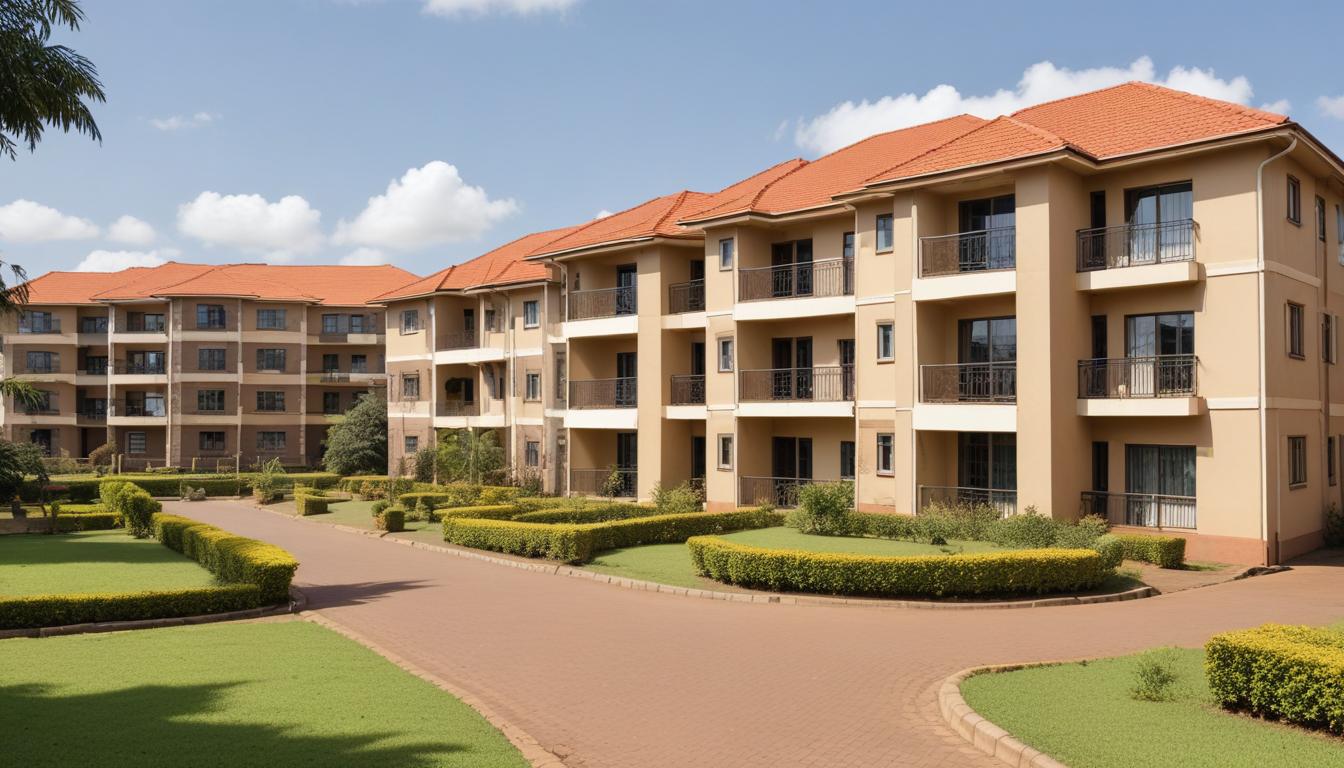
The eastern growth corridor has seen remarkable activity. Projects along the Thika Road extension and around Ruaka town centre have added thousands of units over the past 18 months. These developments typically offer modern amenities—gym facilities, security infrastructure, communal spaces—at rents ranging from KES 35,000 to KES 65,000 for two-bedroom units. Comparable properties in Kilimani or Kileleshwa fetch KES 70,000–KES 110,000. For budget-conscious professionals, the mathematics are straightforward.
However, higher vacancy brings its own complications. Property managers competing for tenants sometimes prioritise speed of occupancy over rigorous vetting, potentially affecting neighbourhood stability. Conversely, tenant protections can be negotiable; a 15% vacancy rate gives renters meaningful negotiating power on lease terms, deposit structures, and maintenance responsibilities—leverage virtually non-existent in Westlands or around Upper Hill.
The Syokimau corridor, anchored by industrial and tech hubs, presents a different profile. Newer apartment blocks here attract young professionals and families seeking proximity to employment nodes without premium pricing. Rents typically range from KES 40,000–KES 75,000 for comparable units, with landlords increasingly offering flexible lease terms and covering utilities—concessions rarely seen in established residential areas.
For tenants evaluating location decisions, the calculus has shifted. Transportation infrastructure matters more than ever. The ongoing expansion of commuter corridors means a KES 50,000 monthly rental in Ruaka might represent better value than KES 80,000 in Kileleshwa if your workplace anchors towards the eastern side of the city.
The rental advisory sector—organisations like the Kenya Property Developers Association—notes that this supply influx has begun moderating annual rent increases in growth areas, though rates in central business zones persist at 8–12% annually.
Tenants should view this market moment strategically. In oversupplied zones, negotiate aggressively on lease length, maintenance obligations, and deposit terms. In traditional premium areas, expect competitive conditions and prepare documentation accordingly. The city's rental landscape is no longer monolithic; understanding which zone you're entering is now essential due diligence.
This article was compiled by AI from the sources linked above and screened before publishing. See our editorial standards.