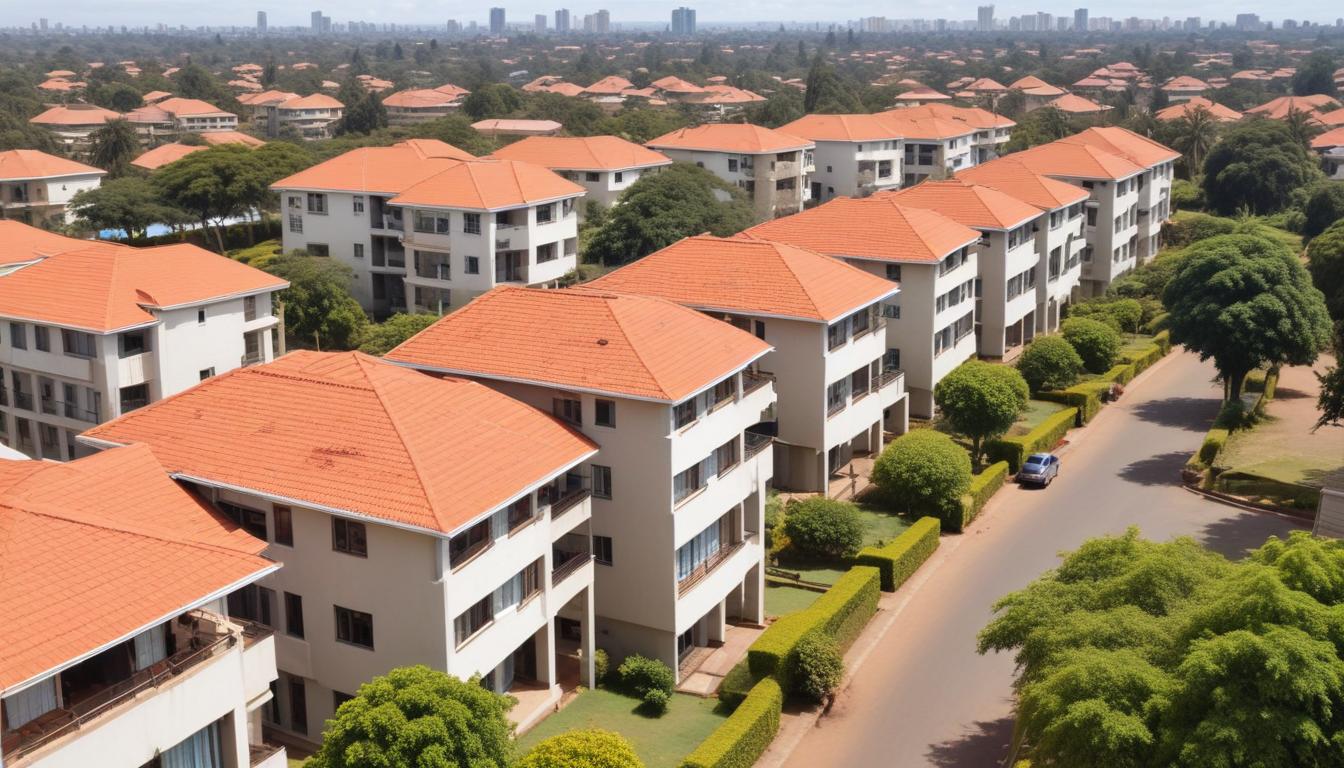
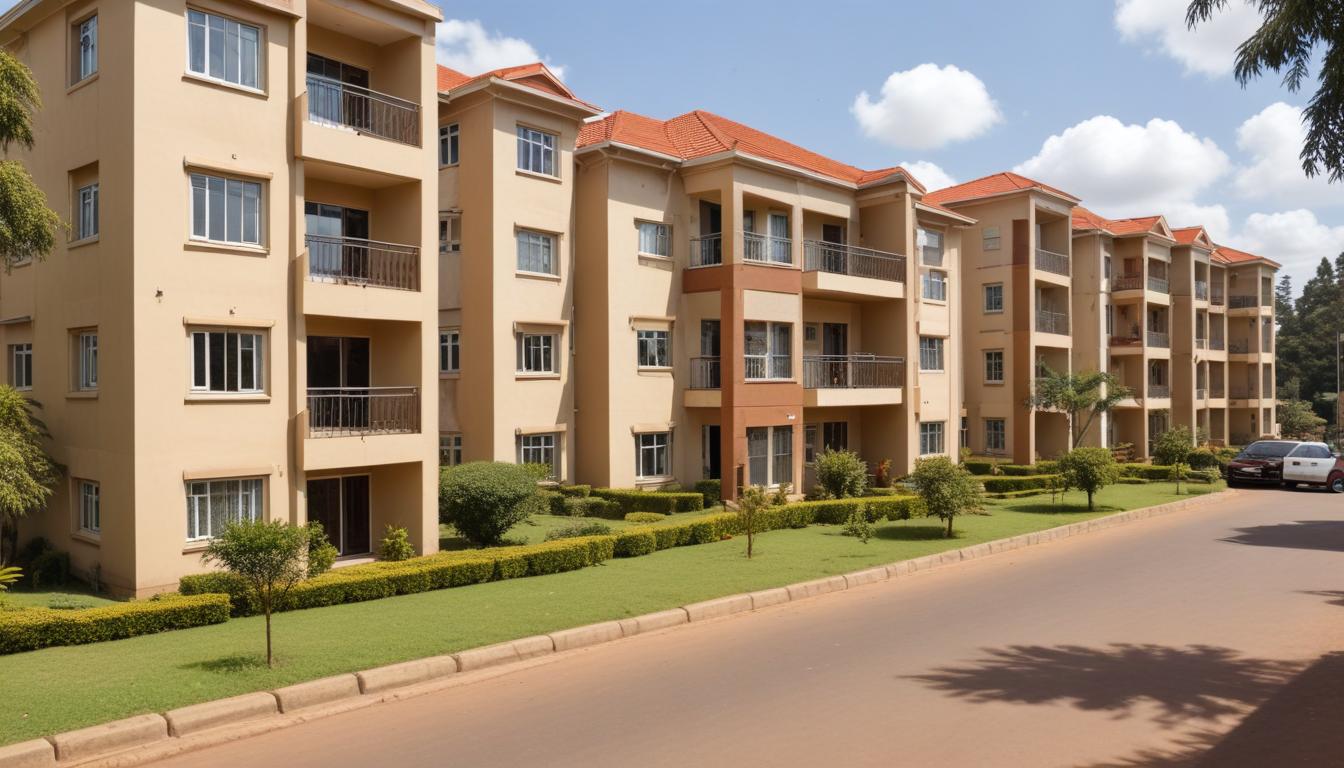
Nairobi's rental market is experiencing an unusual shift. For years, tenants in neighbourhoods like Westlands and Lavington accepted premium rates—often KES 250,000–400,000 monthly for three-bedroom units—with minimal bargaining power. But fresh data suggests vacancy rates have climbed to 8–12% in these traditionally tight corridors, a change directly linked to the county's revised planning framework introduced in late 2025.
The Nairobi City County planning department's decision to enforce stricter zoning classifications and mandate mixed-use developments has disrupted the residential-only supply model that once drove artificial scarcity. Previously, properties along Muthangari Drive, Kilimani Avenue, and the Hurlingham corridor were locked into single-use residential frameworks, limiting conversion flexibility. The new policy permits controlled commercial integration—retail on ground floors, residential above—effectively increasing net housing stock without sprawl.
"We're seeing landlords adjust expectations," explains the Real Estate Institute of Kenya's latest market assessment. Properties that commanded KES 180,000 for two-bedroom units in Kileleshwa six months ago now advertise at KES 155,000–165,000. Syokimau and Ruaka, designated as accelerated growth corridors under the revised master plan, are absorbing overflow demand, though infrastructure bottlenecks persist along the Outer Ring Road.
The policy shift carries nuance for tenants. Lower nominal rents mask hidden costs: newer mixed-use developments impose steeper service charges—often KES 15,000–25,000 monthly—reflecting shared amenity maintenance. Traditional standalone residential buildings in areas like Kilimani remain cheaper overall, though inventory is tightening as owners hold units pending redevelopment approvals.
Crucially, the planning changes have triggered tenant protection reviews. The Law Society of Kenya's property committee has flagged inconsistent lease enforcement across county zones, prompting calls for standardised tenancy regulations. Tenants in upgraded Westlands properties report faster dispute resolution, while those in transitional zones near Ngong Road face ambiguous lease terms as landlords await zoning finalisation.
For savvy renters, the market window is narrow. Vacancy rates remain high through 2026, but developers' pipeline—particularly around the Nairobi Southern Bypass and Mombasa Road industrial zones—suggests tightening by late 2027. Negotiation leverage exists now: securing below-market rates in established neighbourhoods, or accepting longer commutes to growth areas in exchange for affordability.
The broader lesson: Nairobi's rental market no longer moves purely on demand. Planning policy is now a decisive variable, reshaping where supply flows and how pricing evolves across the metro.
This article was compiled by AI from the sources linked above and screened before publishing. See our editorial standards.