Why Nairobi Home Prices Keep Climbing—And What Smart Buyers Must Do Now
Supply constraints, infrastructure bets, and foreign interest are reshaping the capital's property landscape, but savvy investors know where the real opportunity lies.
Supply constraints, infrastructure bets, and foreign interest are reshaping the capital's property landscape, but savvy investors know where the real opportunity lies.
Nairobi's property market has entered a curious phase. While the national average hovers around KES 15 million for a mid-range residential property, the forces pushing prices upward tell a more nuanced story than simple demand-and-supply economics.
The most obvious driver remains scarcity. Prime addresses—Westlands, Lavington, and the increasingly sought-after Kileleshwa corridor—are experiencing sustained price appreciation. A three-bedroom apartment in Westlands that would have fetched KES 18 million two years ago now commands closer to KES 24 million, according to recent market assessments. But this isn't irrational exuberance. These neighbourhoods offer proximity to business hubs, established infrastructure, and the institutional confidence of multinational companies and diplomatic missions.
What's reshaping the market, however, is the emergence of growth corridors as legitimate alternatives. Ruaka and Syokimau are no longer viewed as speculative plays. The Nairobi Expressway completion, alongside proposed metro extensions and the expanding tech hub presence in areas like Westlands and emerging nodes in Kilimani, are creating new value centres. Kilimani properties, historically mid-tier, are now attracting young professionals and creatives seeking walkable communities—and prices are reflecting that demographic shift.
Infrastructure investment signals matter enormously. Roads, water access, and electricity reliability directly correlate with buyer confidence. Areas along the Southern Bypass and towards Syokimau are attracting commercial and mixed-use development, which historically precedes residential price appreciation. Investors tracking these patterns are acquiring strategically ahead of formal announcements.
International capital inflow has also accelerated. Diaspora-linked purchases, institutional fund activity, and regional investors treating Nairobi property as a currency hedge have all tightened the upper end of the market. This creates a two-tier dynamic: premium segments moving faster than middle-income housing, which carries affordability risks.
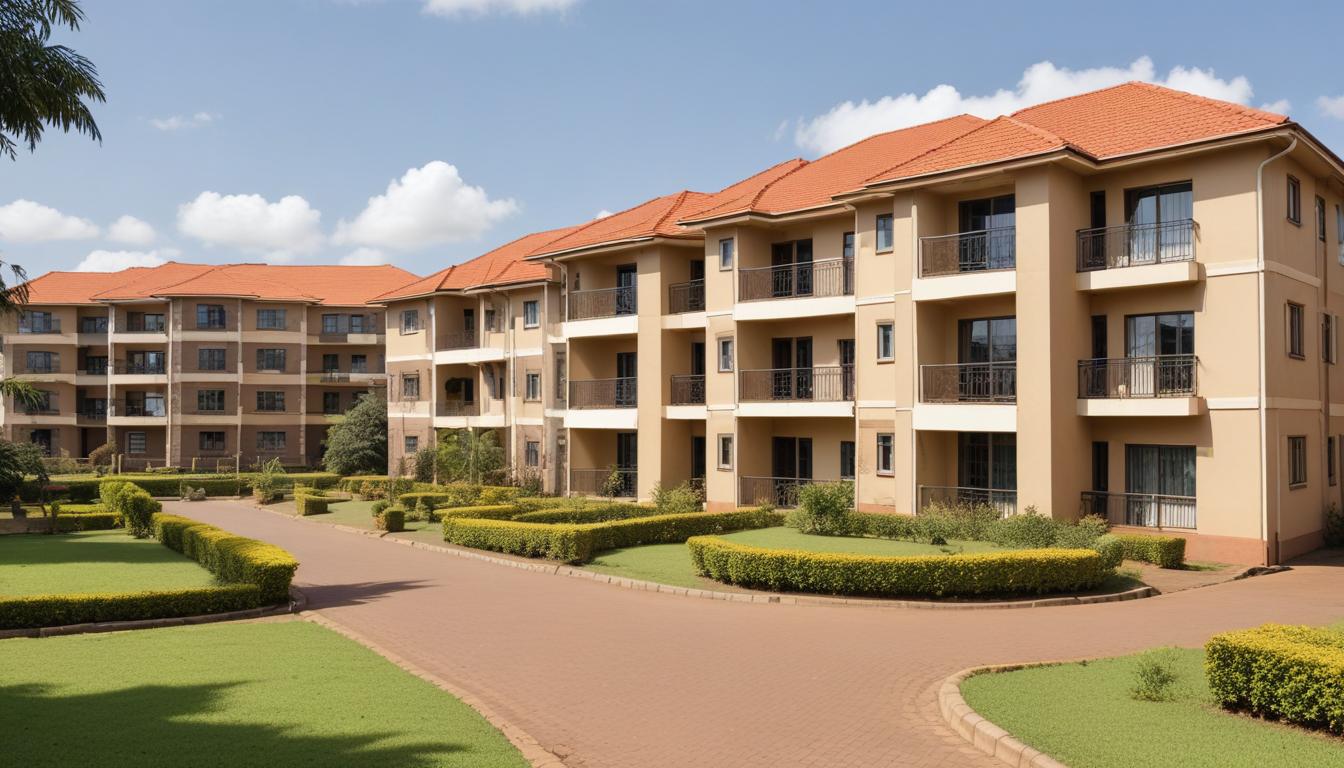
For buyers entering now, several realities demand attention. First, location specificity matters more than ever—proximity to the Expressway or upcoming transit nodes carries measurable premiums. Second, developers with transparent financing and verifiable land titles are commanding buyer trust (and price premiums) over smaller operators. Third, the shift toward gated communities and professionally managed estates reflects both security concerns and lifestyle preferences that developers are pricing in.
The affordability question isn't disappearing—it's relocating. While Westlands remains out of reach for most Nairobians, emerging pockets in Kilimani's residential lanes, or strategic positions in Ruaka along main thoroughfares, still offer reasonable entry points for owner-occupiers and investors willing to look beyond established postcodes. Understanding what's driving prices means recognising that Nairobi's property market is genuinely diversifying, even as headline prices climb.
This article was compiled by AI from the sources linked above and screened before publishing. See our editorial standards.
How does this story make you feel?
Spread the word
About this article
Published by The Daily Nairobi
Daily brief
Free, in your inbox before 7am. Weekdays.
More in Property