Nairobi Property Yields Diverge: What Returns Tell Investors About Market Timing
As residential yields compress across prime zones, astute investors are repositioning capital toward emerging corridors where double-digit rental returns still exist.
As residential yields compress across prime zones, astute investors are repositioning capital toward emerging corridors where double-digit rental returns still exist.
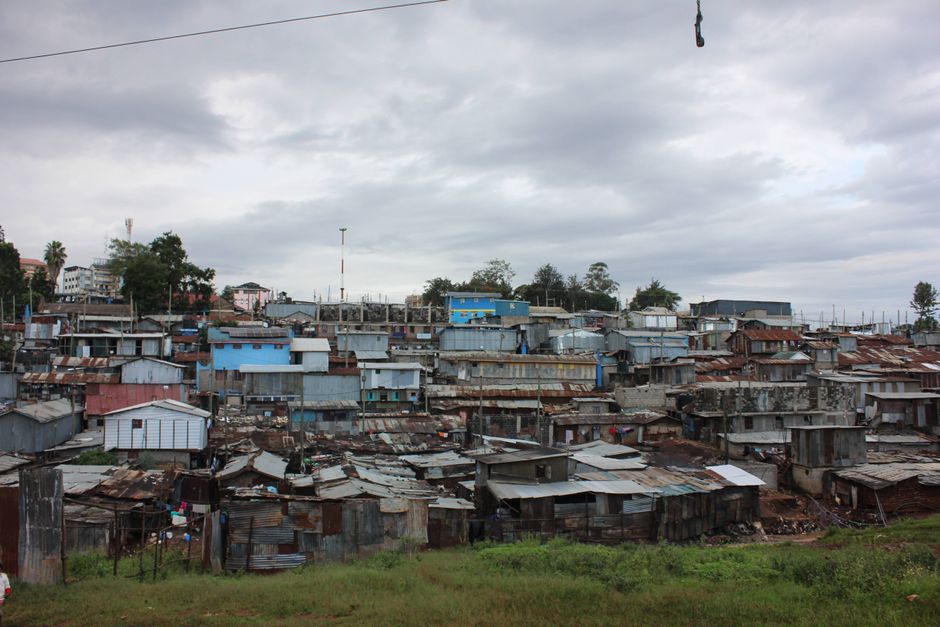
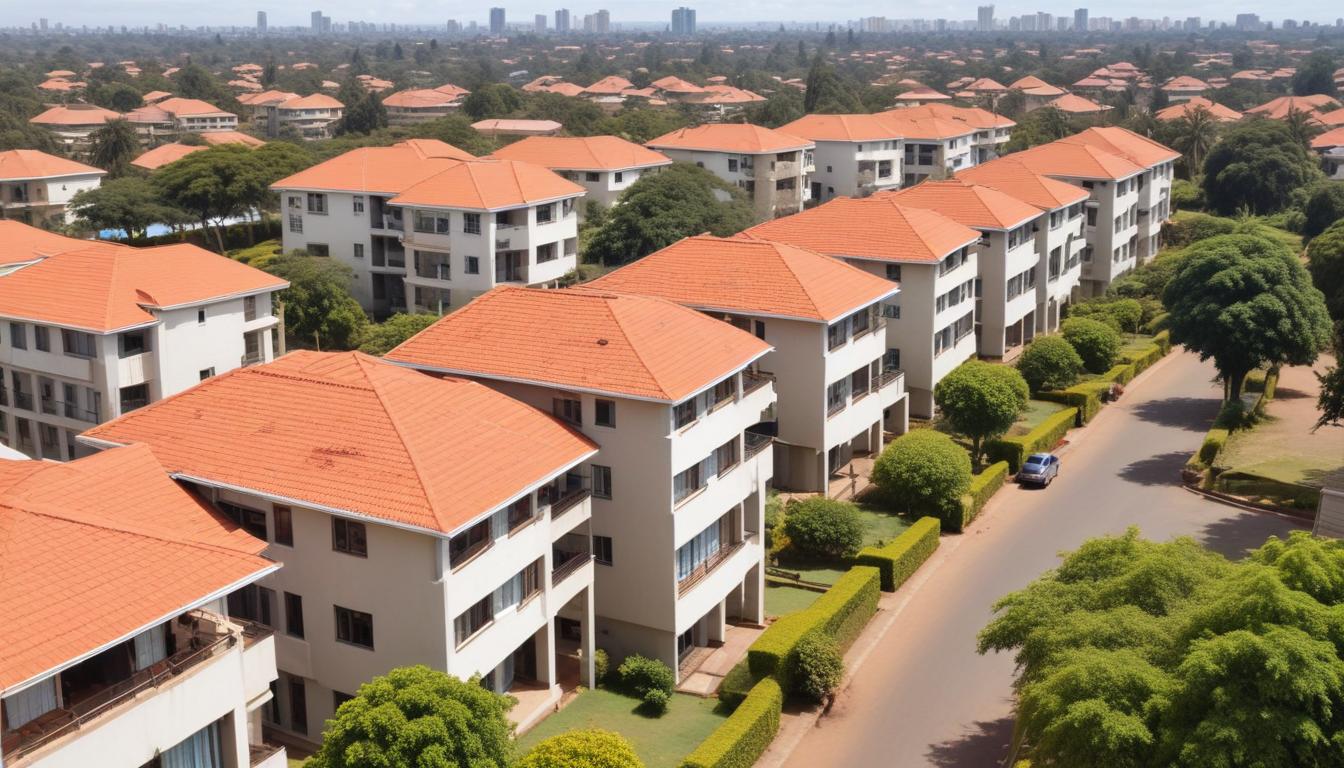
The Nairobi property market's investment calculus has shifted dramatically over the past eighteen months. While Westlands and Lavington command premium valuations exceeding KES 25 million per unit, the rental yields underpinning these purchases have tightened considerably—now hovering between 4% and 5.5% annually. For investors accustomed to stronger returns, the mathematics no longer favour traditional blue-chip neighbourhoods.
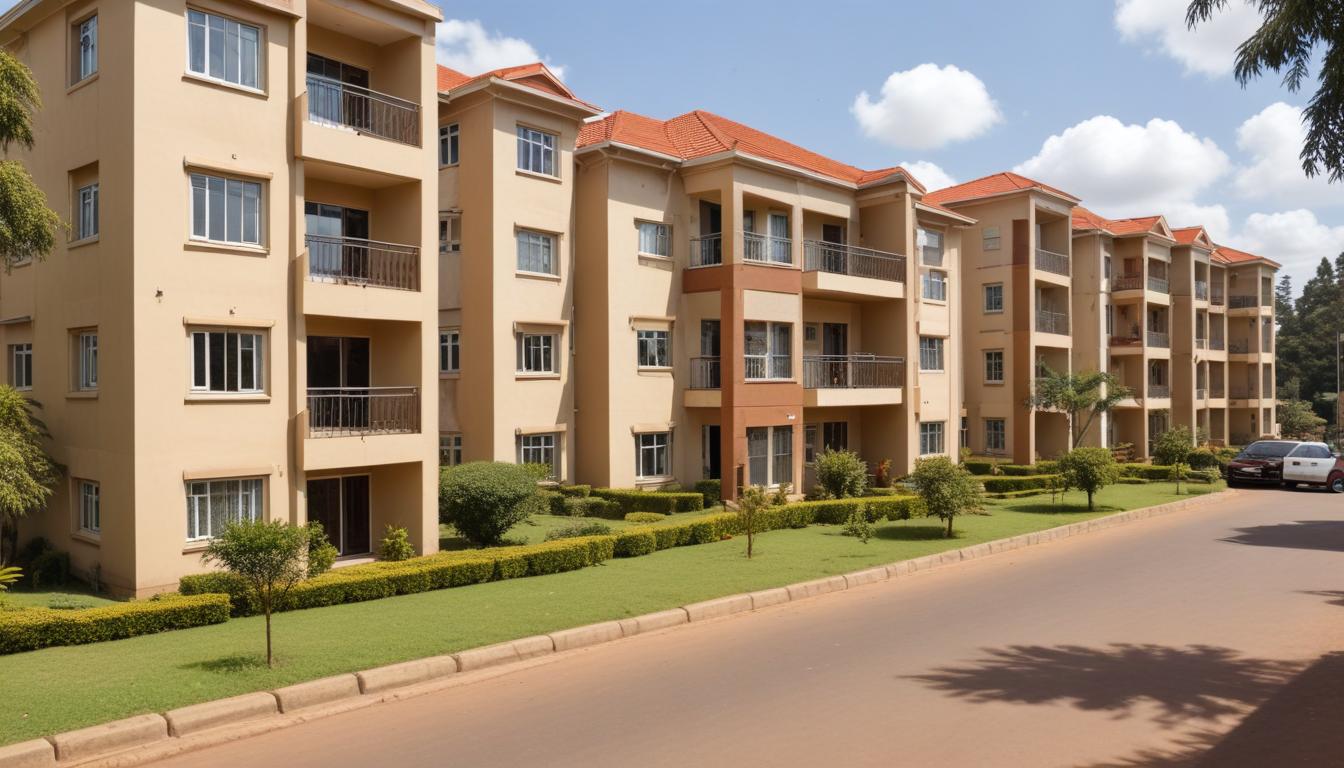
Data from property management firms tracking residential performance suggests a clear bifurcation emerging. In Kilimani and Kileleshwa, where average asking prices cluster around KES 18–22 million, gross yields remain competitive at 6–7%, though tenant acquisition costs and maintenance eat into net returns. The middle market, historically reliable, faces mounting pressure from rising construction standards and property tax reassessments across the city.
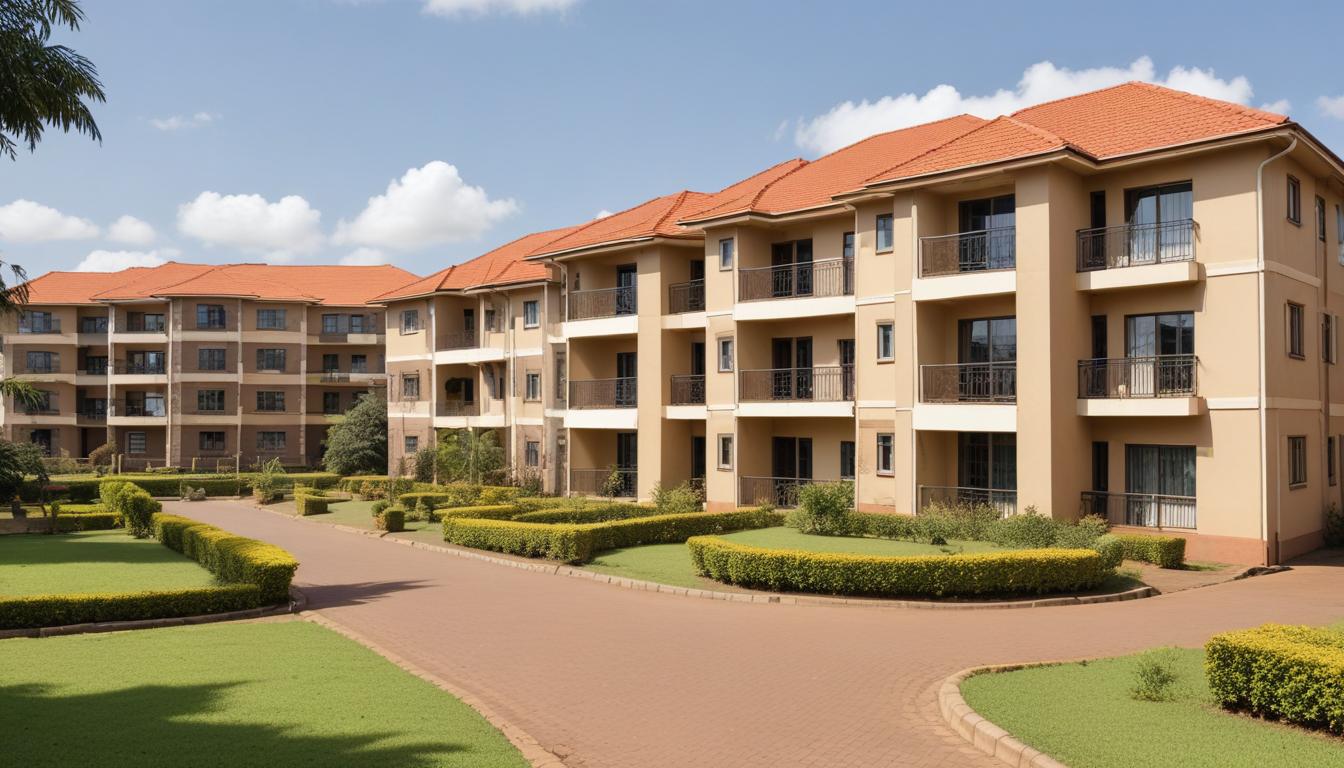
The real opportunity, however, is reshaping investor behaviour toward growth corridors. Ruaka and Syokimau, once dismissed as dormitory satellites, now deliver yields of 8–10% on properties priced between KES 8–12 million. The Nairobi Southern Bypass expansion and improved road infrastructure to Syokimau have shortened commute times, attracting younger professionals and families seeking affordability without sacrificing access to central business hubs like Kilimani or Upper Hill.
Real estate investment trusts and institutional players are recalibrating their portfolios accordingly. Properties near Ruaka town centre and along the Kitengela direction show accelerating absorption rates, with rental demand driven partly by the spillover effect from saturated closer-in neighbourhoods. A two-bedroom apartment in Ruaka now commands KES 1,200–1,500 monthly, generating stronger cash-on-cash returns for modest capital deployment.
Market sentiment has also shifted around exit timing. Properties listed in Westlands above KES 30 million increasingly languish on portals like Property24 and Jumia House, their carrying costs eroding investor patience. Meanwhile, mid-range stock in Kahawa West and Embakasi's emerging pockets moves within 60–90 days, signalling where buyer appetite and yield expectations align.
The KES 15 million citywide average masks this divergence entirely. Savvy capital is no longer chasing status-symbol addresses; it is hunting cash flow. That shift has profound implications for mortgage lending, construction pipelines, and the next wave of neighbourhood evolution across greater Nairobi.
This article was compiled by AI from the sources linked above and screened before publishing. See our editorial standards.
How does this story make you feel?
Spread the word
About this article
Published by The Daily Nairobi
Daily brief
Free, in your inbox before 7am. Weekdays.
More in Property