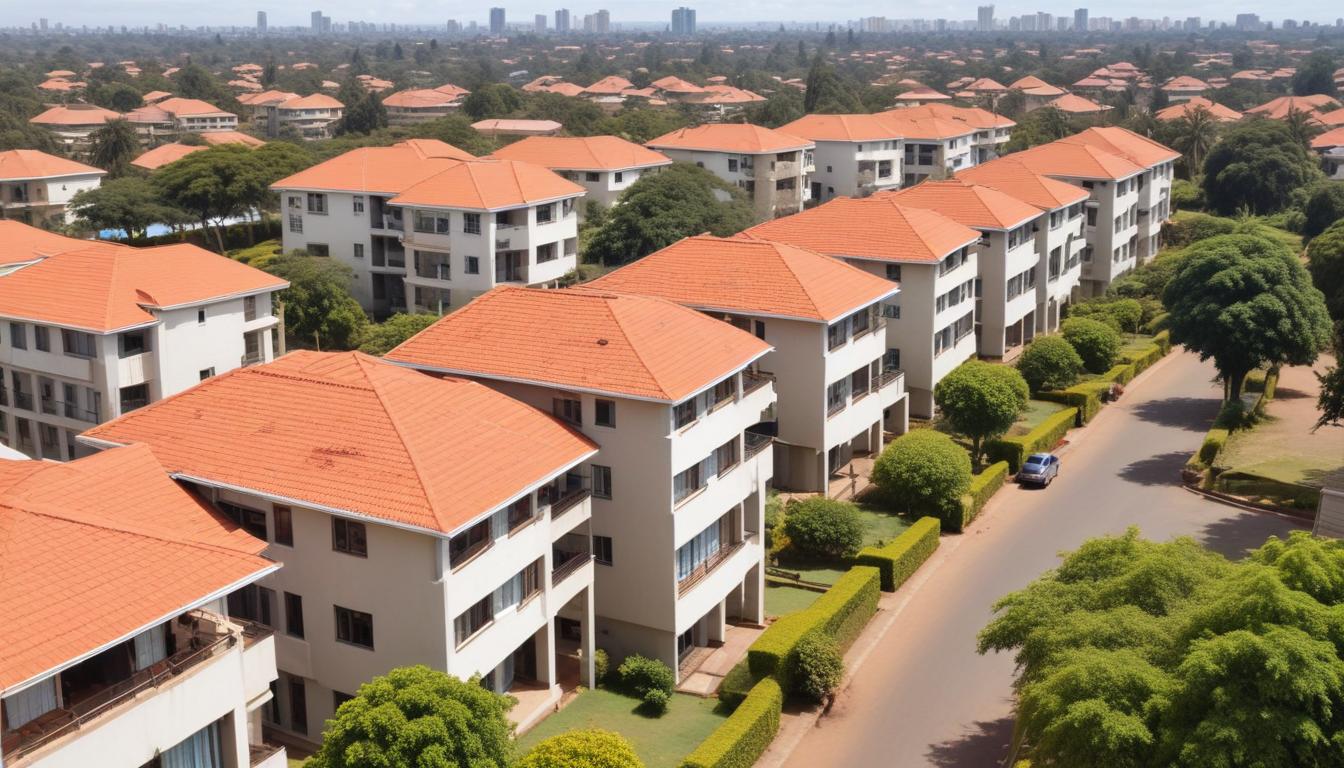
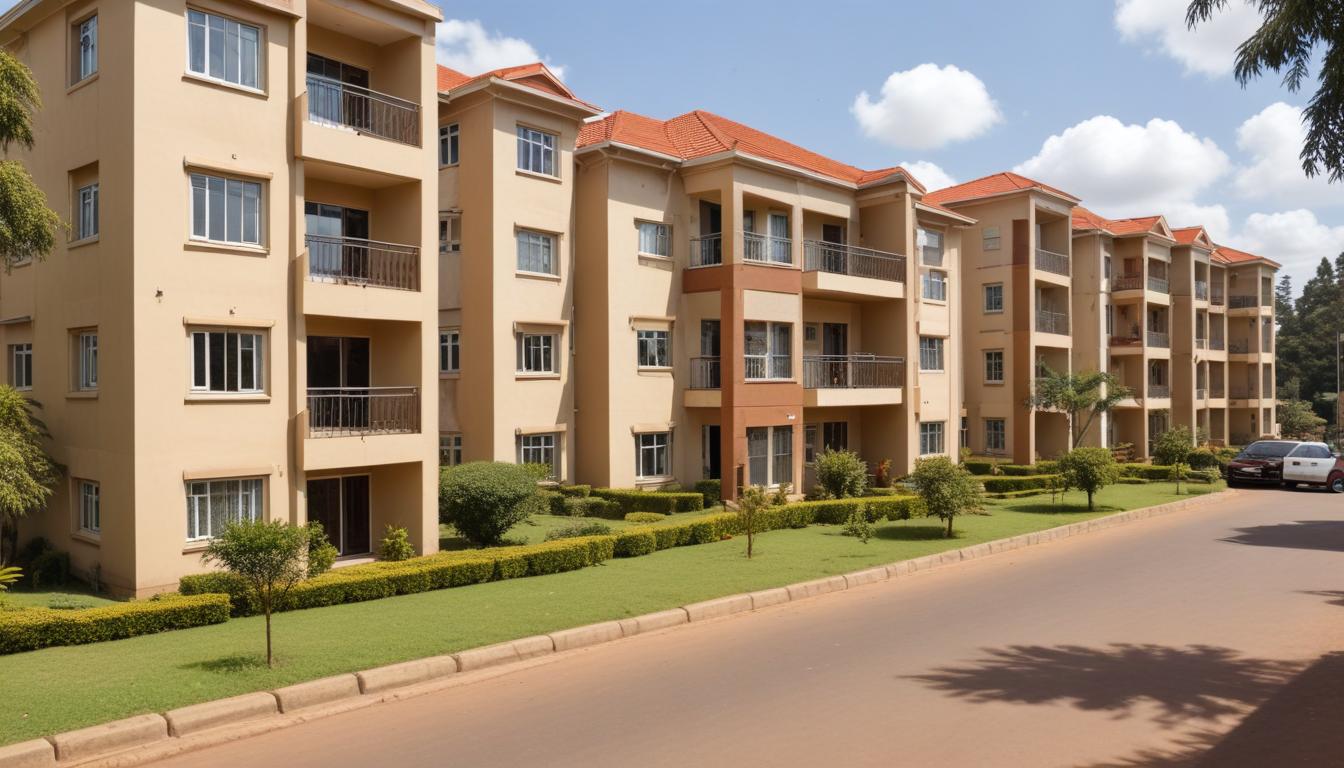
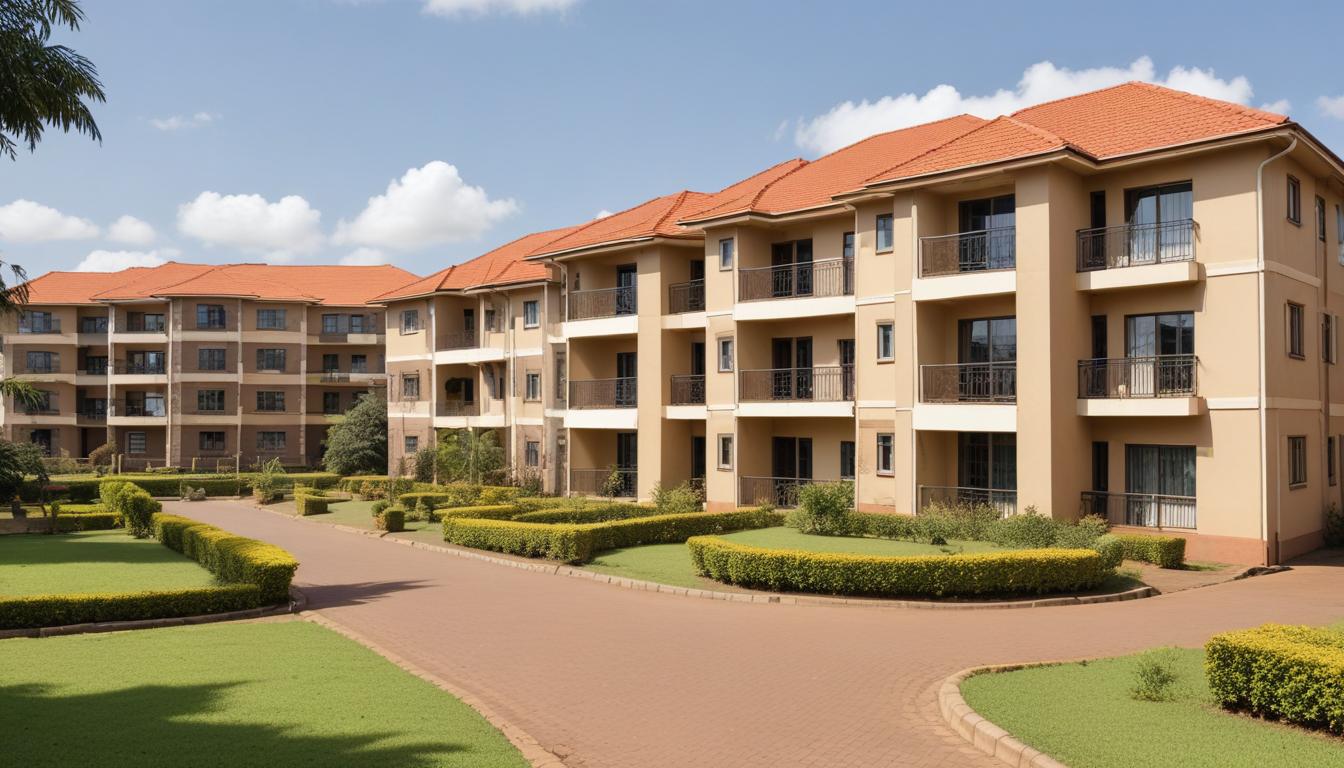
For years, Nairobi's property conversation has orbited the same affluent addresses: Westlands, Lavington, the leafy streets of Kilimani. But something shifted in 2024 and 2025. Shrewd investors and first-time buyers are now turning their gaze south, to Syokimau—a neighbourhood that has quietly transformed from the city's periphery into its most compelling affordability story.
The numbers tell the tale. While land in Westlands commands upwards of KES 50 million per acre, and even Kileleshwa plots hover around KES 25–35 million, Syokimau remains accessible at KES 8–15 million per acre. A two-bedroom apartment in a decent development here runs KES 4–7 million—a fraction of what you'd pay for comparable stock in Kilimani or Lavington. Yet the neighbourhood isn't cheap; it's strategically positioned.
The Southern Bypass has been the quiet catalyst. Completion of the Mombasa Road extension and ongoing infrastructure work have cut travel time to the CBD and Upper Hill business district. The Syokimau-Athi River corridor, once a weekend destination, is now a viable daily commute. Developers have taken notice. Firms like Cytonn Investments and Sanlam have launched mid-market residential projects here; smaller operators are filling gaps with townhouses and apartment blocks aimed squarely at young professionals and growing families priced out of traditional hotspots.
What makes Syokimau distinct isn't just cost. The neighbourhood sits at the convergence of Nairobi's expansion logic. The SGR terminus at Nairobi Central means rail connectivity is plausible within the medium term. Mixed-use developments are emerging near the Outer Ring Road, anchoring commerce and services. Schools, clinics, and retail—the unglamorous infrastructure of liveable suburbs—are following residents here faster than they are in many satellite towns.
There are friction points. Water supply remains inconsistent in parts. Road networks, while improving, still frustrate during peak hours. Security perception, though improving, lags behind established neighbourhoods. Yet these very challenges are why yields are attractive: a KES 5 million investment could generate monthly rental income of KES 40,000–50,000, returns that Kilimani landlords can only dream of at today's saturated price points.
The real story isn't that Syokimau is the next Westlands. It's that Nairobi's property market is finally fracturing the myth that premium equals profitable. For investors willing to look beyond postcode snobbery and commute time sceptics, Syokimau offers what the city desperately needs: housing at a price most people can actually afford.
This article was compiled by AI from the sources linked above and screened before publishing. See our editorial standards.