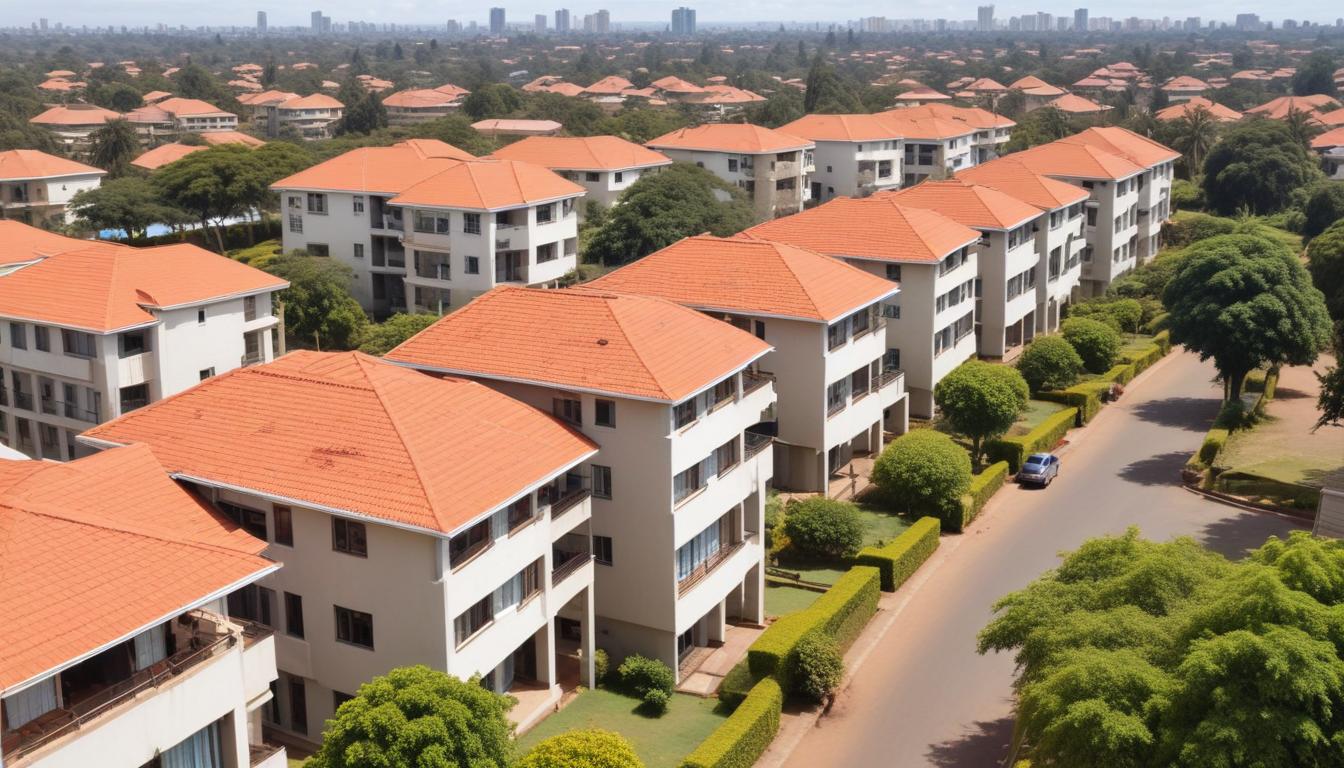
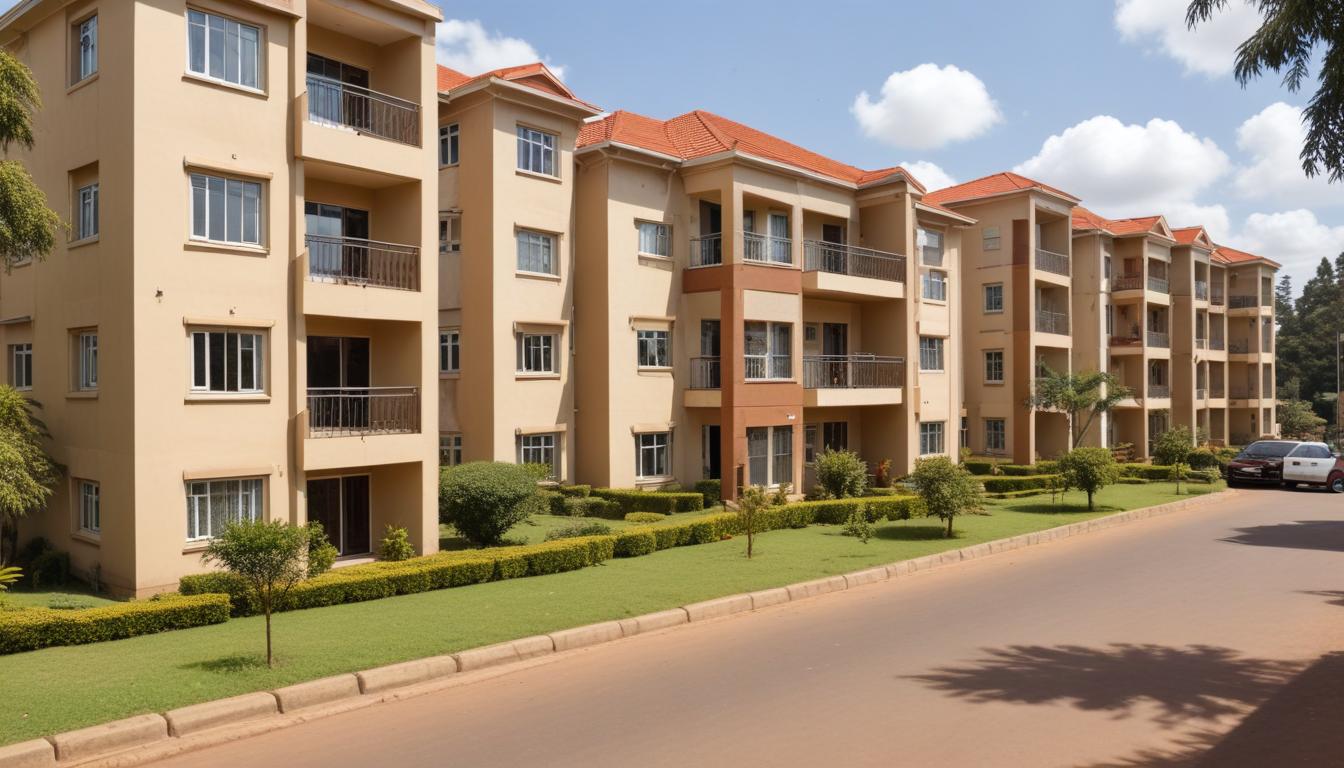
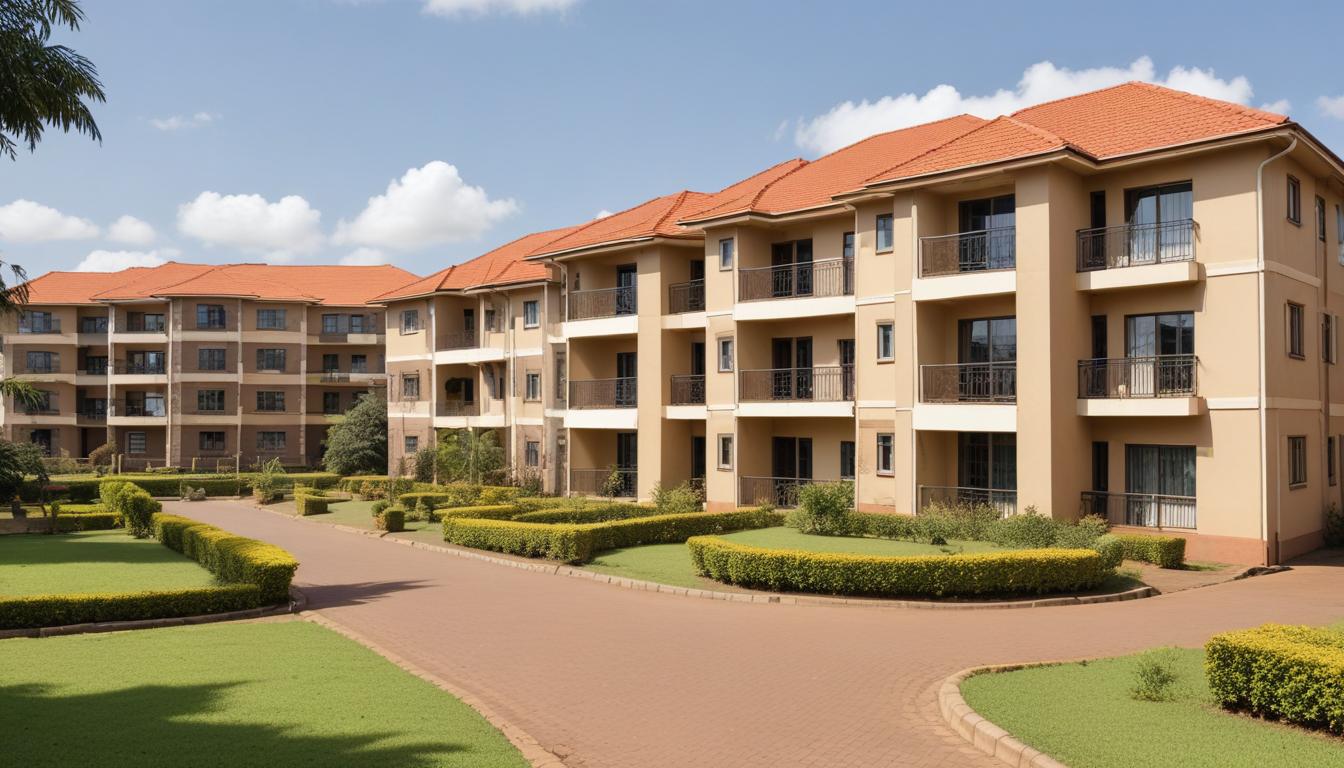
The tension is palpable on Ngong Road. On one side, landlords who've watched property maintenance costs climb 30% over three years. On the other, tenants in Kilimani and Kileleshwa struggling to justify rents that now consume 45–50% of monthly income—far above the recommended 30% threshold.
This rental market standoff is reshaping Nairobi's housing landscape in real time, driven by a collision of forces: insufficient affordable housing stock, rising construction and operational costs, and a growing middle class locked out of ownership. The average two-bedroom in central Nairobi commands KES 35,000–50,000 monthly, while informal settlements and edge areas like Ruaka and Syokimau absorb overflow demand at lower but still-steep rates.
The Human Rights Commission and several NGOs tracking Nairobi's housing crisis have documented the fallout. Tenants report arbitrary evictions, deposit disputes, and landlords bypassing formal channels. Meanwhile, property owners—many of them middle-class individuals with one or two rental units—cite late payments, property damage, and regulatory uncertainty as mounting headaches. Some have withdrawn from the rental market entirely, shifting capital toward commercial spaces or speculative land holdings in growth corridors.
Government responses have been uneven. The 2024 Property Management Bill introduced standards for deposits, maintenance obligations, and dispute resolution. Yet enforcement remains weak outside upper-income enclaves like Westlands and Lavington. In Kilimani and Kileleshwa, digital platforms like Airbnb have further compressed long-term rental supply, as individual owners capitalise on short-term tourism income. The result: fewer affordable units, higher turnover, and less incentive for stable landlord-tenant relationships.
Community-based organisations working in areas like Mathare and Eastleigh have pivoted toward co-housing models and cooperative savings schemes, recognising that neither formal rental markets nor owner-occupation work for low-income households. Yet these remain niche solutions.
The real squeeze, however, falls hardest on the gap market—young professionals, single parents, and small business owners earning KES 100,000–200,000 monthly who can neither access subsidised social housing nor afford Westlands premiums. They're caught renting indefinitely, with zero equity accumulation.
Until Nairobi's housing supply catches up—particularly in mixed-income corridors—this rental tension will persist. Landlords will keep raising rates; tenants will keep negotiating harder; and both will grow more suspicious of regulation, informal agreements, and each other. The rental market isn't just a shelter solution anymore. It's become a pressure valve for inequality itself.
This article was compiled by AI from the sources linked above and screened before publishing. See our editorial standards.