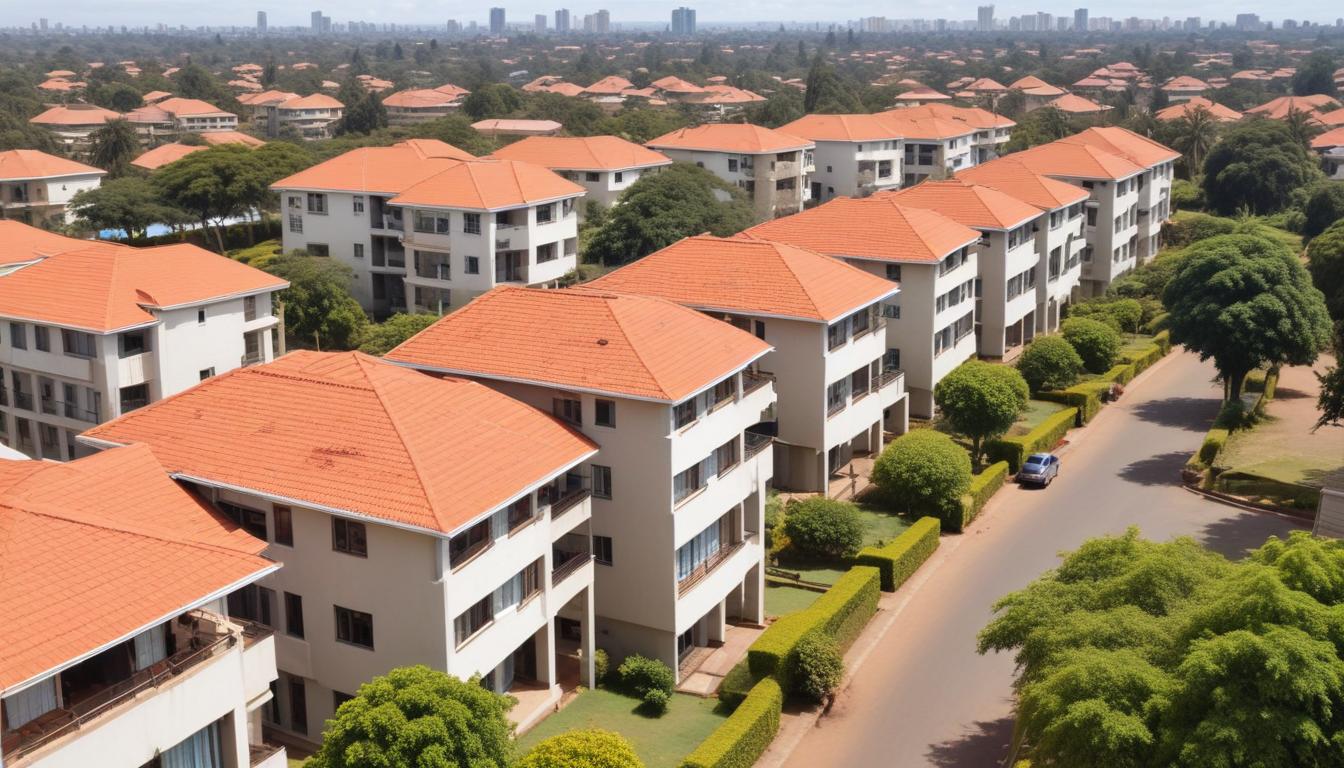
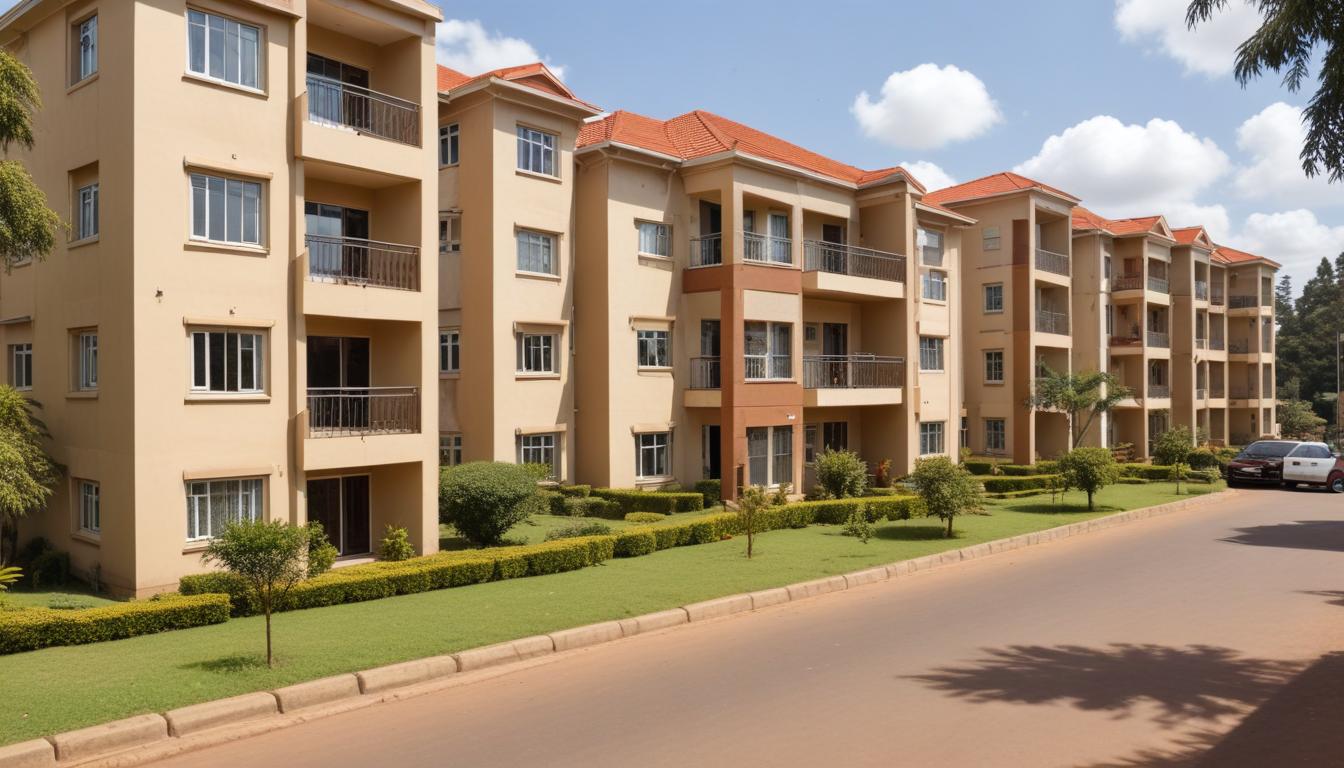
Nairobi's rental market is undergoing a seismic shift. Fresh planning directives from Nairobi City County—particularly the revised 2024–2034 Physical Development Plan emphasising commercial-residential integration—are reshaping where apartments are built, how quickly they come online, and ultimately what tenants pay. The result: vacancy rates in traditionally stable neighbourhoods have dropped to historic lows, compressing choice and inflating rents.
Data from estate agents across the city suggest vacancy rates in Westlands and Lavington have fallen below 8%, down from 12% three years ago. Kileleshwa and Kilimani, once affordable alternatives, now hover around 5–6%. Meanwhile, corridors like Ruaka and Syokimau—designated growth zones under the new master plan—are absorbing overflow demand but remain underdeveloped for renters seeking immediate occupancy.
"The policy shift toward mixed-use towers is starving the mid-range rental sector," explains a property consultant familiar with County planning committees. New regulations require developers to allocate ground floors to retail or office spaces, increasing construction costs and extending project timelines. Single-purpose residential blocks—the backbone of Nairobi's rental stock—now face tighter approval windows along Upper Hill, Muthaiga, and parts of Parklands.
For tenants, the implications are direct. A two-bedroom in Kileleshwa averages KES 85,000–95,000 monthly—a 22% jump since 2023. Westlands commands KES 120,000–150,000. Even emerging zones like Ruaka are climbing toward KES 65,000 as infrastructure improves and demand accelerates ahead of supply.
The County's push to streamline approvals for projects meeting sustainability standards has also inadvertently prioritised premium developments. High-end residential complexes along Forest Road and around the Nairobi Business Park secure permits faster, while budget and middle-market projects languish in bureaucratic queues. This supply imbalance is widening.
Savvy tenants are adapting. Many are extending lease terms to lock in rates before new leases reset at higher points. Others are exploring satellite neighbourhoods—Athi River, Kitengela, and Juja—where rents remain 30–40% lower, despite longer commutes to Westlands offices and the CBD.
The County's Housing and Urban Development directorate has signalled plans to revisit rental regulations later in 2026, potentially introducing rent stabilisation measures. Until then, tenants should negotiate fiercely, document agreements in writing, and consider co-renting in premium zones as vacancy tightens further. The policy winds reshaping Nairobi's skyline are already reshaping what residents pay to live beneath it.
This article was compiled by AI from the sources linked above and screened before publishing. See our editorial standards.