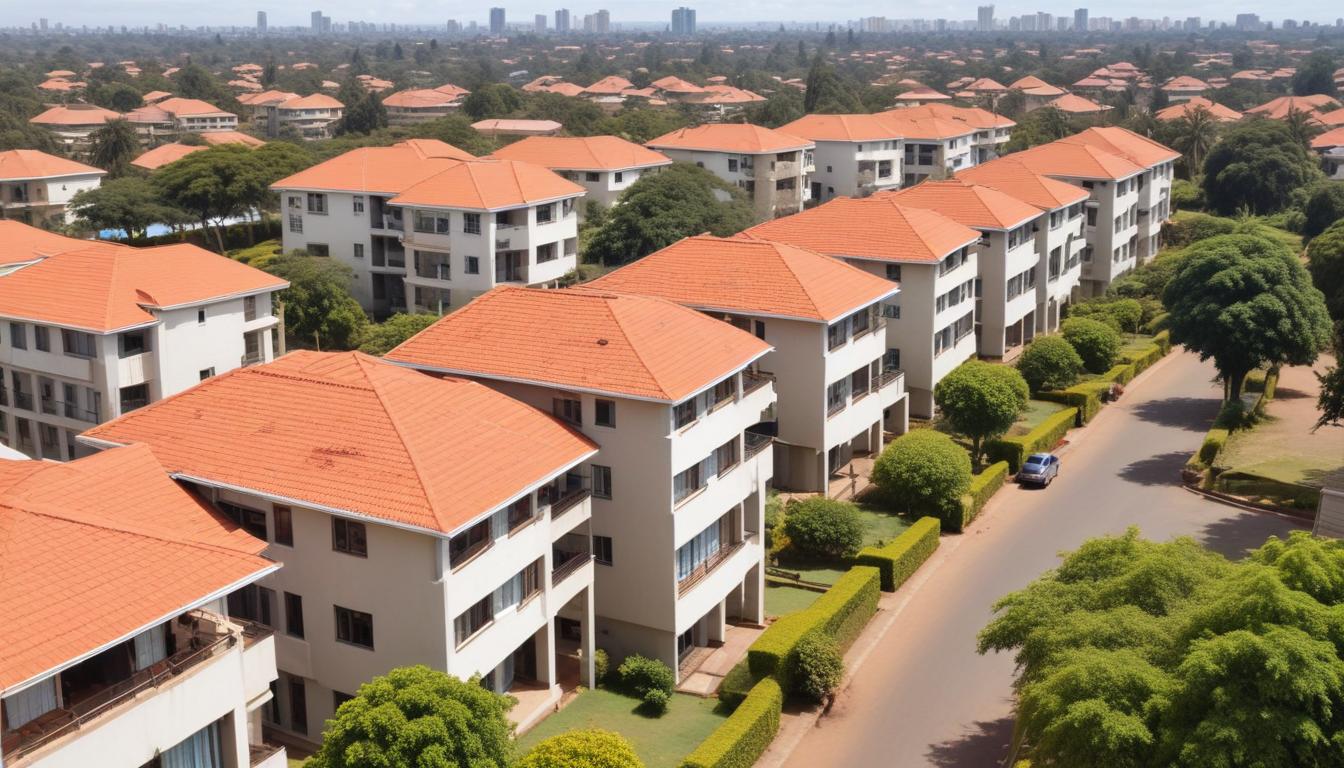
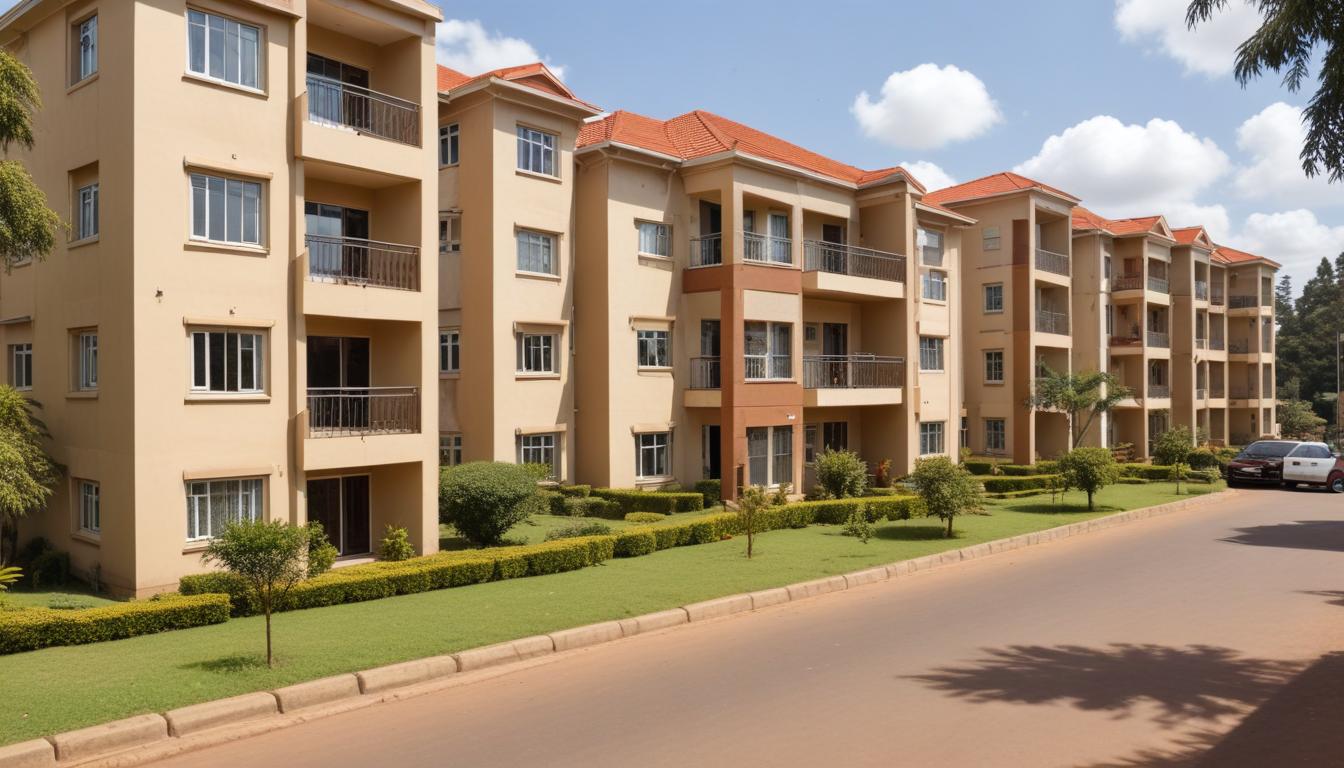
Buying your first home in Nairobi is no longer the distant dream it once was. Yet navigating the capital's fragmented property landscape—from Westlands' premium developments to the emerging growth corridors of Ruaka and Syokimau—demands careful planning and awareness of the financial tools available to you.
The market reality is straightforward: Nairobi's average property price sits around KES 15 million, though this varies dramatically by location. Kileleshwa and Kilimani remain popular middle-ground neighbourhoods for first-time buyers seeking balance between accessibility and proximity to the CBD, while Syokimau and Ruaka offer more affordable entry points for those willing to embrace longer commutes.
Before viewing that apartment near Westlands or the townhouse along Kiambu Road, understand your financing foundation. Most commercial banks—Kenya Commercial Bank, Equity Bank, and others—offer mortgage products starting at 80% loan-to-value ratios for first-time buyers. However, the devil lives in deposit requirements. Securing 20% down payment on a KES 15 million property means mobilising KES 3 million upfront, a barrier many face.
This is where government interventions matter. The Kenya Mortgage Refinance Company (KMRC) has structured programmes specifically targeting first-time buyers, offering lower interest rates than conventional mortgages. Additionally, some employers offer housing loans through their HR departments or pension schemes—funds that typically carry more favourable terms than retail banking products. If you're a member of a professional body or cooperative society, investigate their housing schemes; many operate revolving loan funds exclusively for members.
Grant accessibility remains limited compared to other East African markets. However, targeted initiatives focus on vulnerable populations rather than general first-time buyers. What exists instead is a tax incentive framework: interest paid on mortgages for owner-occupied properties attracts certain reliefs under Kenya's tax code, though navigating these requires professional accounting guidance.
The practical first step? Visit the Central Bank of Kenya's consumer portal or speak with mortgage brokers operating from offices near Nairobi's major business districts—Westlands, Upper Hill, and the CBD around Kenyatta Avenue—to compare rates transparently. Document your financial history meticulously: lenders scrutinise salary slips, bank statements, and credit records thoroughly.
Consider pre-approval before house hunting. This clarifies your actual borrowing capacity, prevents disappointment, and strengthens your negotiating position with sellers across neighbourhoods from Lavington to emerging zones like Ruaka.
Finally, budget beyond the purchase price. Factor in stamp duty, legal fees, valuations, and insurance—often totalling 5-8% additional outlay. Success in Nairobi's market belongs to informed, disciplined buyers who understand both their finances and their chosen neighbourhood's fundamentals.
This article was compiled by AI from the sources linked above and screened before publishing. See our editorial standards.