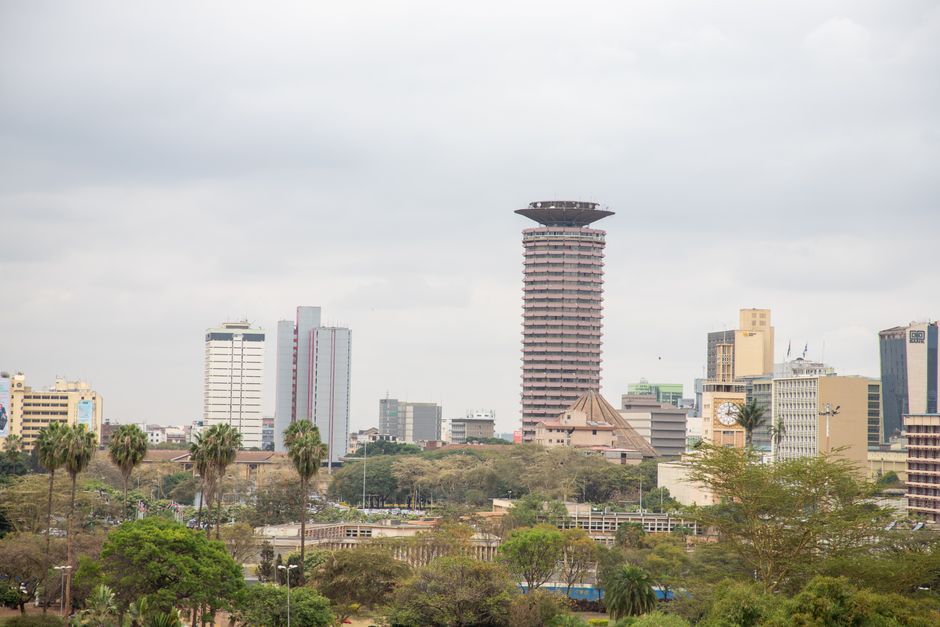
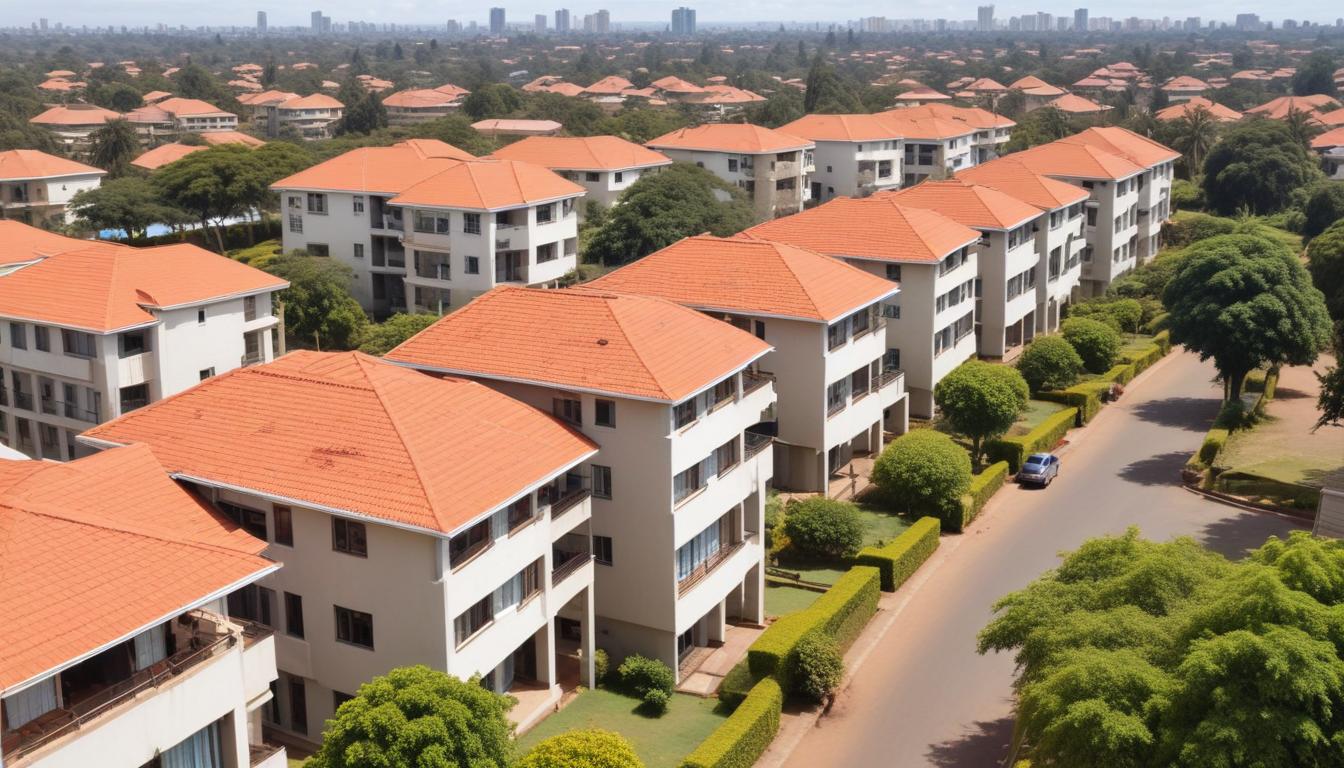
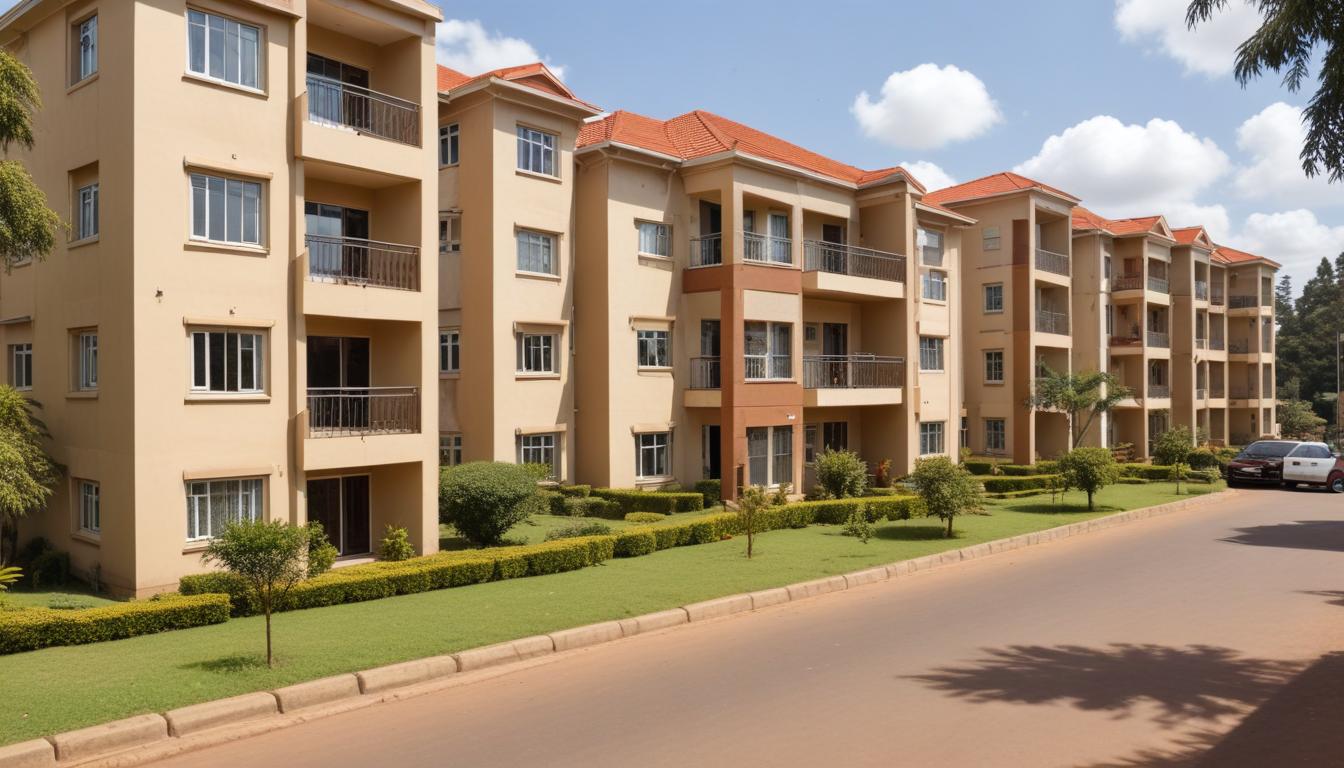
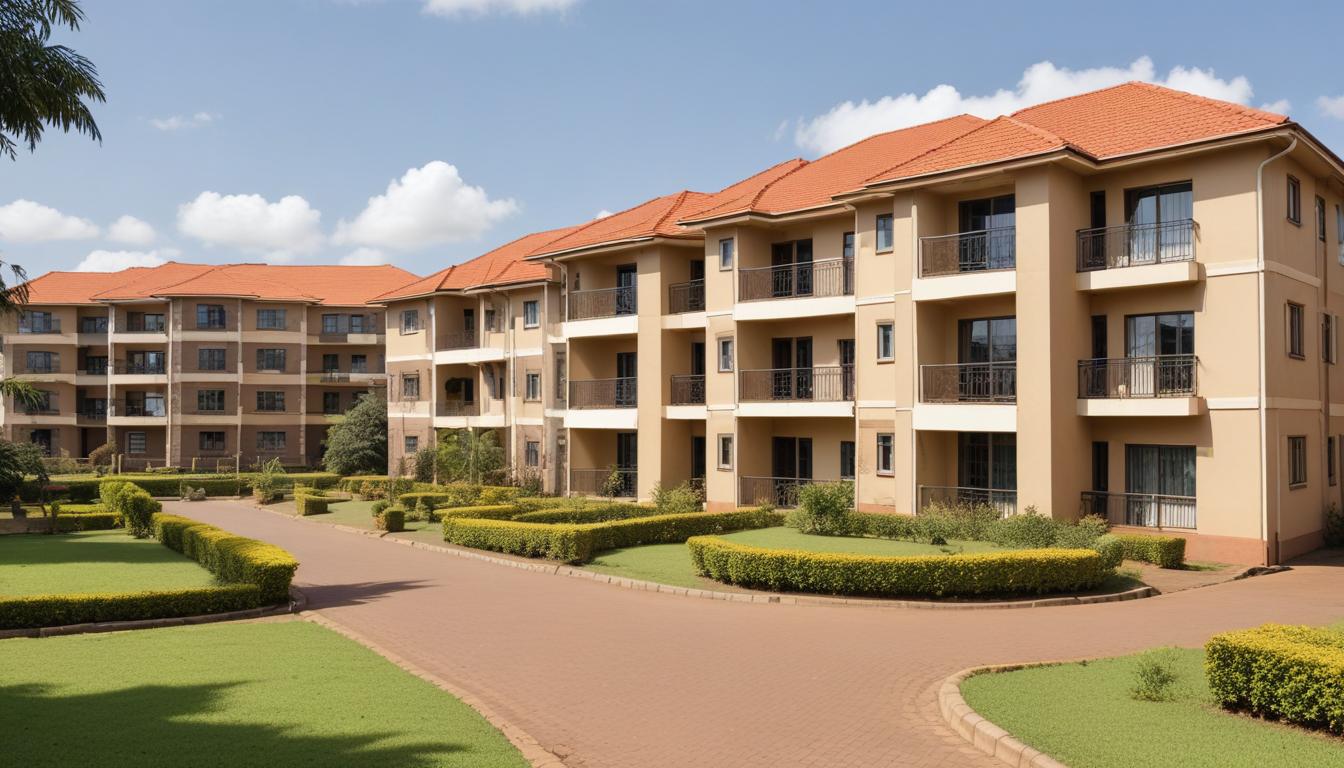
Nairobi's affordable housing sector stands at a crossroads. While the average property in the capital hovers around KES 15 million, the government's push to deliver units below KES 5 million has collided with market realities that few buyers fully understand.
Land acquisition remains the primary culprit. Properties in emerging corridors like Ruaka and Syokimau—traditionally positioned as affordable alternatives to Westlands or Lavington—have seen per-acre prices spike 40–50% in the past three years. Developers cite infrastructure timing as the reason. Roads, water systems, and electricity connections to these satellite zones are arriving slower than anticipated, forcing builders to absorb carrying costs that eventually feed into unit prices.
The National Housing Development Fund, launched to subsidise lower-income buyers, has encountered implementation bottlenecks. Prospective homeowners applying for support through schemes tied to areas like Kahawa Sukari or the Mlolongo corridor report delays exceeding 18 months in fund disbursement. Meanwhile, private developers in those same zones have moved ahead with construction, creating a mismatch between affordable-housing supply and actual demand.
Construction material inflation compounds the problem. Steel, cement, and labour costs have climbed steadily since 2023, with no corresponding softening in sight. A modest two-bedroom unit in Kilimani or Kileleshwa—neighbourhoods once considered middle-market—now regularly exceeds KES 12 million, pushing first-time buyers toward increasingly distant locations.
What should buyers know right now? First, proximity to established infrastructure—reliable roads, water, power—justifies premiums. A property in Syokimau at KES 4.5 million may seem cheaper than one in Kilimani, but hidden costs in water tankers and irregular power supply can neutralize the saving within five years. Second, vetting a developer's history with project completion is non-negotiable; several affordable-housing projects on the city's periphery have stalled mid-construction, trapping buyer deposits.
Third, government incentives exist but require patience. Tax breaks and reduced transfer taxes for units under KES 5 million are real, but accessing them demands meticulous documentation and engagement with bodies like the Ministry of Lands.
The path forward hinges on coordinated infrastructure investment. Until Nairobi's expansion corridors receive reliable services *before* construction booms, truly affordable housing will remain a promise rather than a product on the shelf. Buyers entering the market now must weigh cost against location reality—a lesson this market is teaching harshly.
This article was compiled by AI from the sources linked above and screened before publishing. See our editorial standards.