Kileleshwa has long occupied a sweet spot in Nairobi's property market—accessible to the city centre, proximate to Westlands' corporate hub, yet more affordable than Lavington. That calculus is shifting rapidly. Three significant mixed-use projects launched or completed in the past eighteen months are fundamentally reshaping the neighbourhood's character and investment appeal.
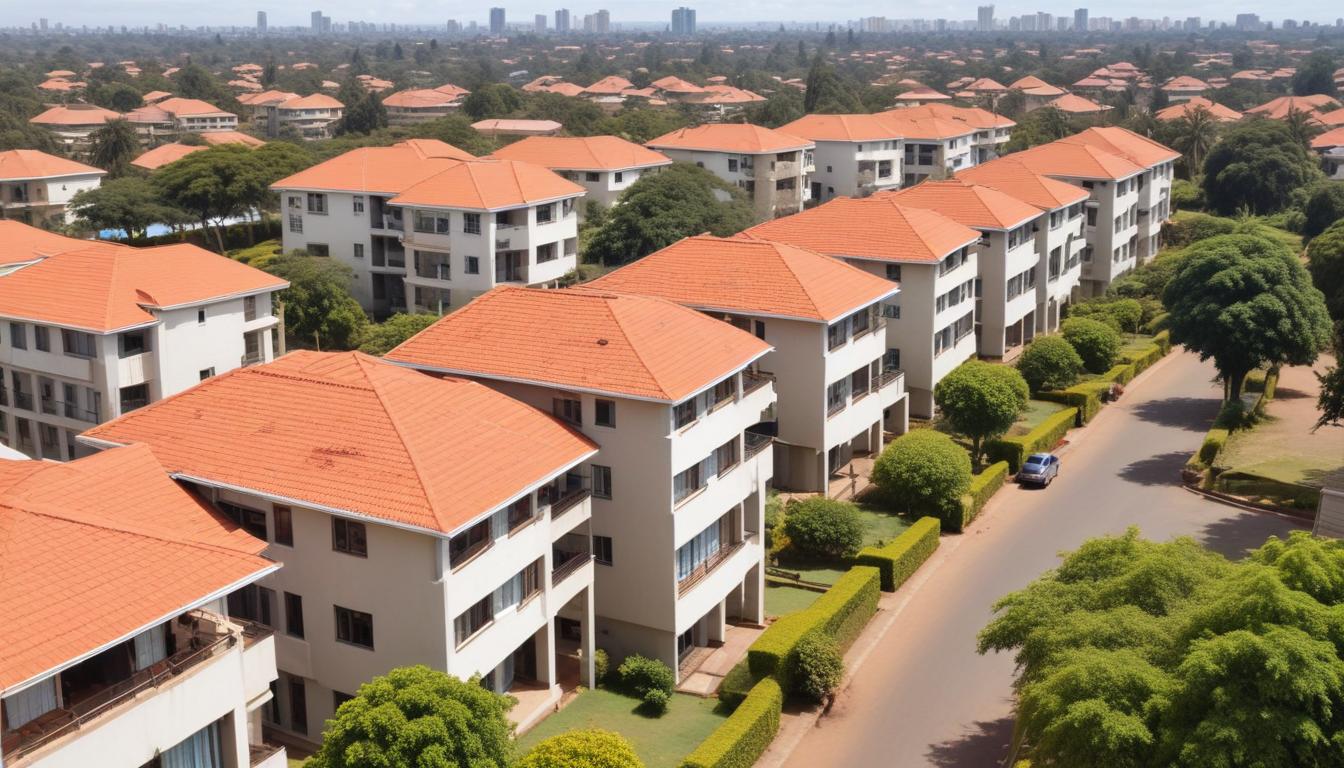
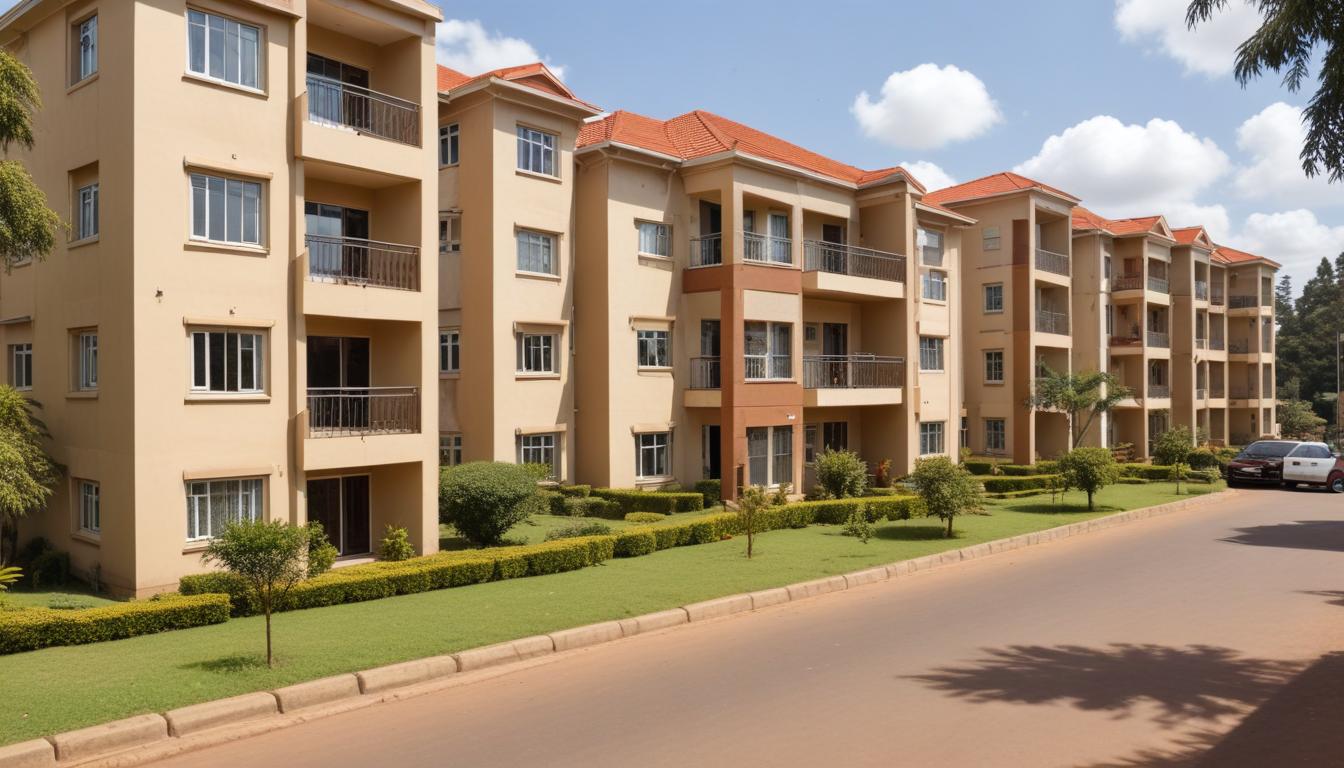
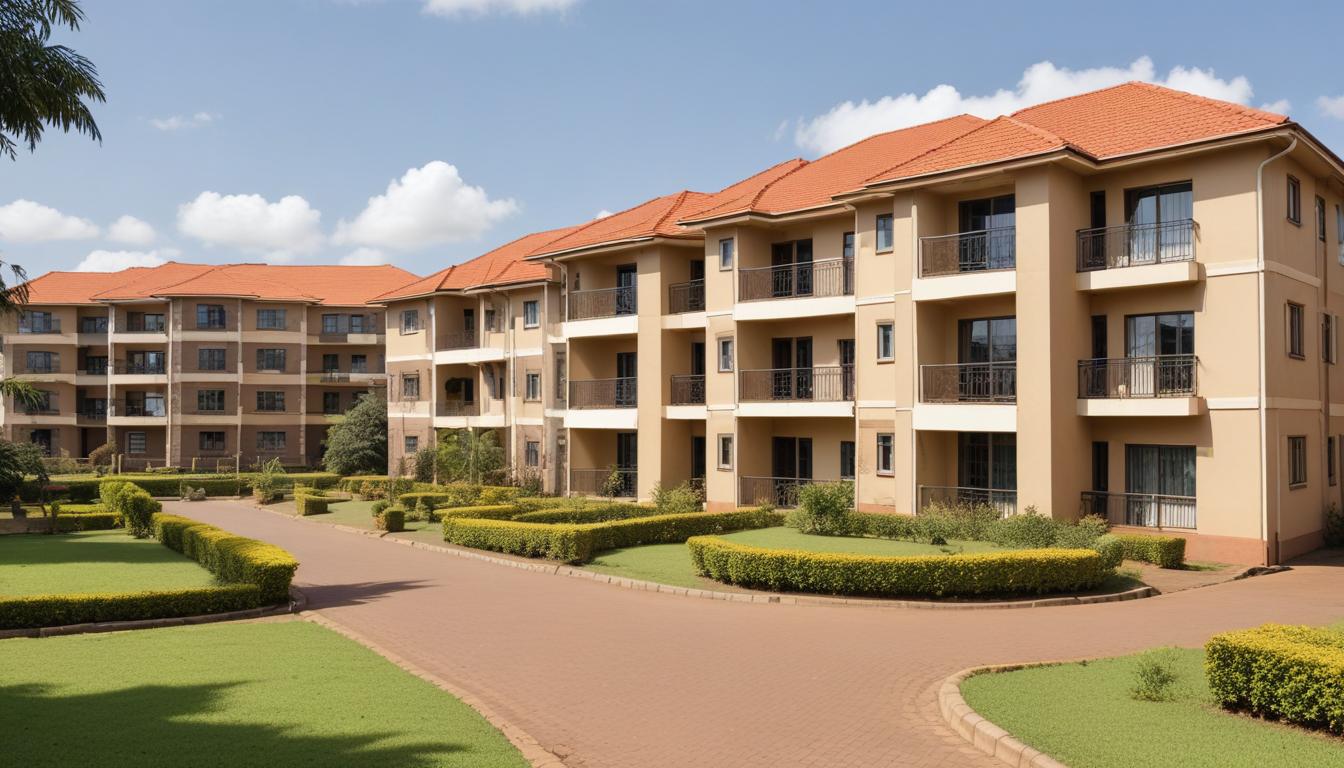
The most visible transformation centres on Limuru Road, where a 12-storey mixed-use complex combining retail, office space, and residential units recently completed its ground phase. This KES 2.8 billion project mirrors trends seen across East Africa's emerging hubs: vertical integration designed to reduce commute friction and create self-contained micro-economies. Local agents report that residential units within similar developments command premiums of 8–12 per cent over traditional standalone apartments in the vicinity.
Parallel developments on Valley Road and around the Kileleshwa Shopping Centre are equally telling. A new hospitality-led complex, anchored by international hotel operators, signals confidence in the neighbourhood's upward mobility. These projects typically catalyse secondary investment: restaurant openings, service providers, and retail expansion naturally follow anchor tenants. The Nairobi Chamber of Commerce has noted similar patterns in Kilimani over the past five years, where commercial density increases have supported property appreciation averaging 6–7 per cent annually.
Infrastructure remains the critical variable. The Kenya Roads Board has allocated funding for Limuru Road widening, scheduled to begin in Q3 2026. This addresses a genuine pain point—traffic congestion that has historically dampened investor enthusiasm. Improved arterial connectivity to the Southern Bypass and westbound routes toward Ruaka makes Kileleshwa increasingly attractive for mixed-use and commercial investment.
However, rapid densification presents challenges. Water and waste management systems designed for lower-density residential neighbourhoods now face genuine strain. The Nairobi County Environment and Sanitation directorate has issued development guidelines tightening standards, which may increase construction costs and timelines for future projects.
For individual investors, the timing remains favourable. Current average prices in Kileleshwa hover around KES 12–14 million for a two-bedroom apartment—roughly 15 per cent below Westlands comparables. As these projects mature and infrastructure improves, comparable properties in similar developments could realistically appreciate by 15–20 per cent over three to five years. That said, investors should scrutinise developer credentials and utility commitments closely; neighbourhood transformation can accelerate rapidly once anchor projects succeed, but early execution risk remains material in Nairobi's evolving landscape.
This article was compiled by AI from the sources linked above and screened before publishing. See our editorial standards.