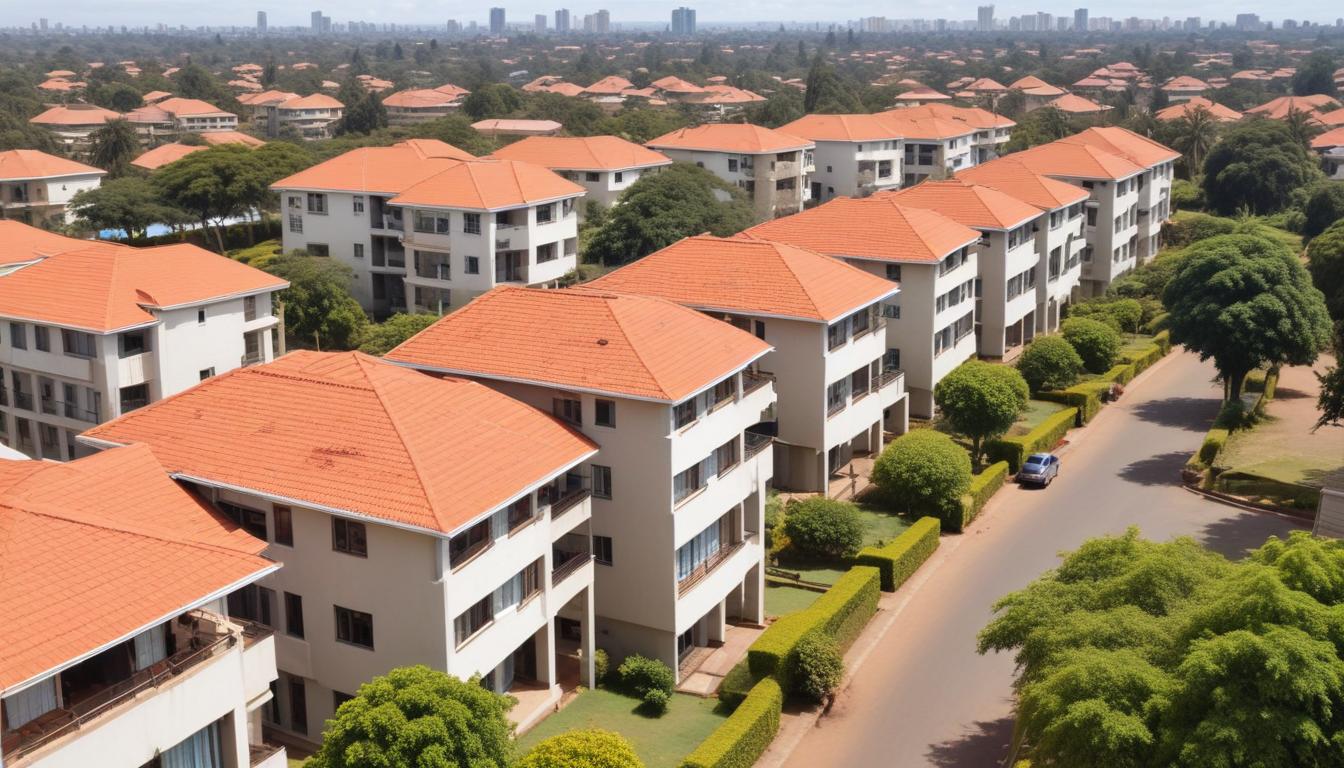
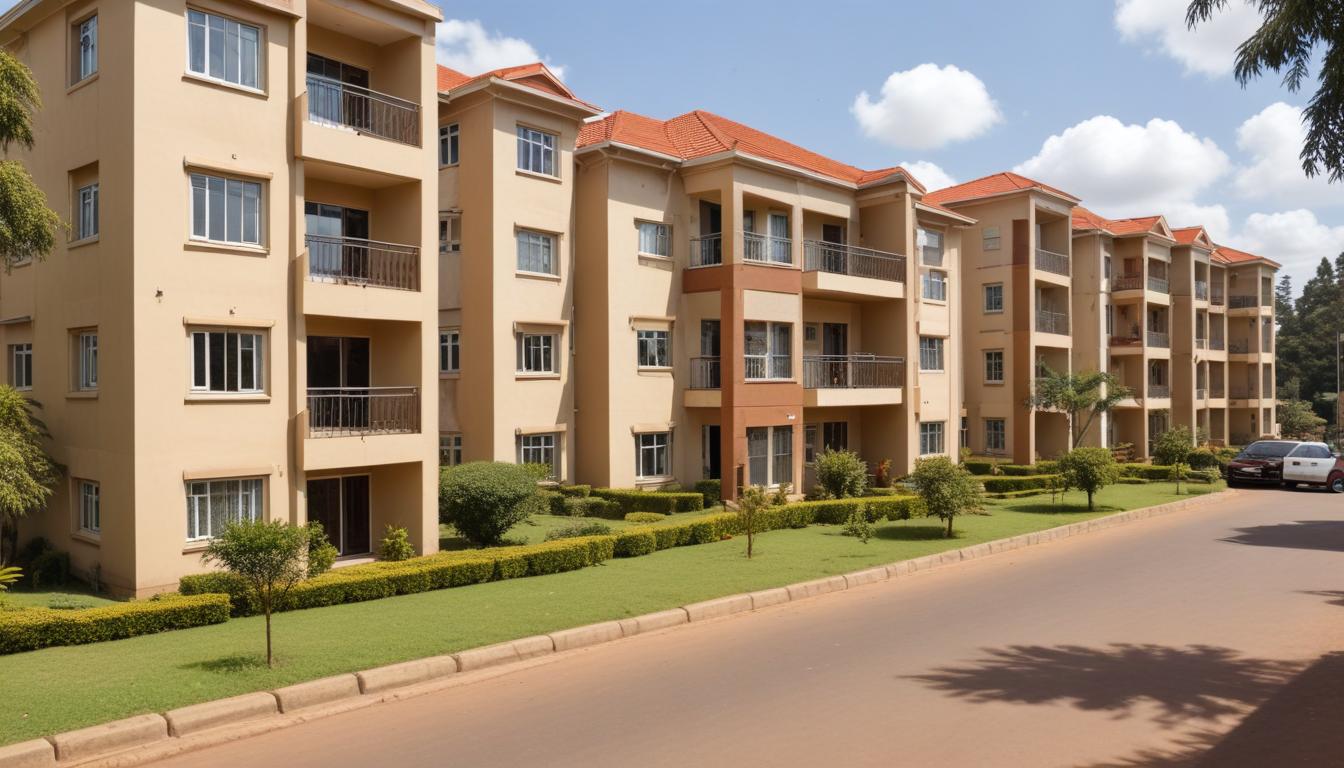
Nairobi's property market is at an inflection point. While the city's median residential price hovers around KES 15 million, the forces reshaping neighbourhoods—and buyer expectations—tell a more nuanced story than simple price inflation.
Three factors are converging to reshape the landscape. First, infrastructure completion is unlocking dormant corridors. The expansion of transport links toward Syokimau and Ruaka has triggered a cascade of mid-market development, pulling first-time buyers further out from the congested centre. These growth zones now command premiums that rival established areas from five years ago, yet remain fractionally cheaper than comparable properties in Westlands or Lavington—a gap that won't last.
Second, foreign institutional capital is hunting yield in East Africa's most liquid property market. Diaspora-linked investment groups and regional funds are systematically acquiring land parcels and residential portfolios, particularly in Kileleshwa and Kilimani, where rental demand from expatriate professionals remains robust. This external demand compresses supply for local buyers and pushes prices upward—especially at the premium end.
Third, the affordable segment is quietly disappearing. Properties under KES 8 million have become scarce in accessible locations, forcing middle-income buyers to either overstay in transitional neighbourhoods or stretch into corridors further afield. Developers, chasing higher margins, have largely abandoned the KES 5–10 million bracket that once defined Nairobi's backbone.
What should buyers know now? Timing matters acutely. Interest rate cycles, while stabilising, remain elevated compared to global standards, making financing costs substantial. For cash buyers, properties in stabilised zones like Upper Hill or along the Mombasa Road corridor offer more transparent valuations than emerging areas, where price discovery can be erratic.
Location arbitrage—buying ahead of infrastructure completion—remains viable but risky. Properties near planned transport nodes in southern suburbs carry genuine upside; equally, they carry execution risk if projects stall. Conversely, established neighbourhoods with consistent tenant bases and transparent transaction history offer lower volatility, though lower appreciation.
For owner-occupiers, the calculus has shifted. Rental yields in premium areas have compressed, making the case for capital appreciation weaker than historically. For investors, competitive returns now depend on careful micro-location selection and a 5–7 year horizon minimum.
The window for entry into mid-tier growth zones is narrowing. Within 18 months, price premiums in Syokimau and Ruaka will likely converge closer to established areas, narrowing the arbitrage window. Buyers treating property as both shelter and asset should calibrate their timeline accordingly. Nairobi's market rewards speed and conviction—but only when anchored to fundamentals.
This article was compiled by AI from the sources linked above and screened before publishing. See our editorial standards.