What Nairobi's auction results and price data are signalling about the next construction boom
Empty plots and completed units moving faster at lower clearance rates suggest developers are recalibrating expectations—and where they'll build next.
Empty plots and completed units moving faster at lower clearance rates suggest developers are recalibrating expectations—and where they'll build next.
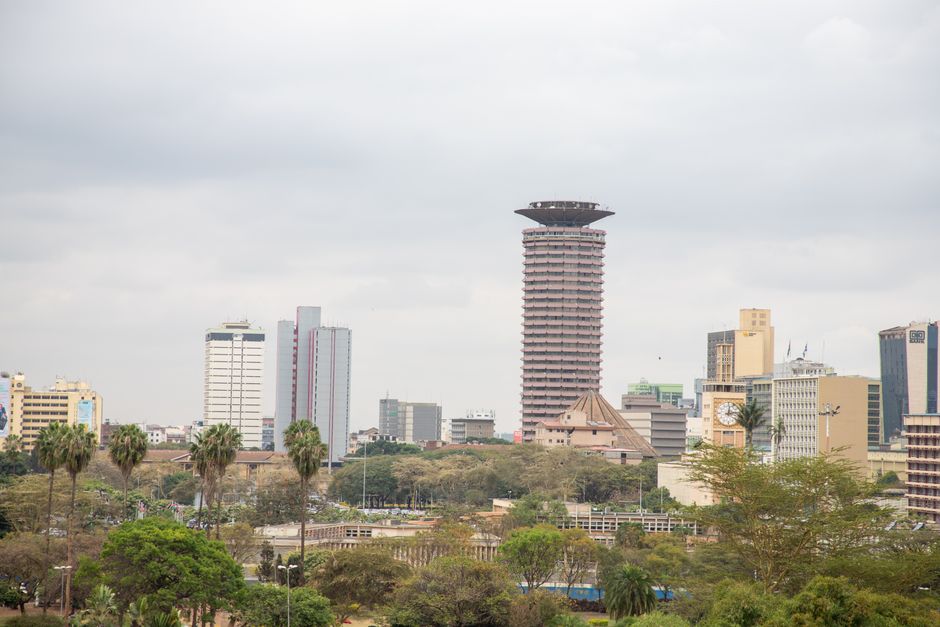
Nairobi's property auction circuit is sending mixed but telling signals about where construction capital will flow over the next 18 months. Recent data shows land parcels moving despite compressed timelines and tighter margins, while completed residential stock in established corridors is attracting buyers at prices that suggest a recalibration of both supply and demand.
The pattern is clearest in the outer growth zones. Properties in Ruaka and Syokimau—historically dismissed as speculative frontiers—are now clearing at auction within three to four weeks, compared to eight to twelve weeks just two years ago. Prices per square metre in Ruaka have held steady around KES 180,000–210,000, while land further along the Southern Bypass corridor toward Syokimau commands KES 120,000–150,000. That stability, combined with faster movement, signals developer confidence in infrastructure completion—particularly the ongoing road upgrades and utility extensions that make these zones viable for mid-market housing.
By contrast, the premium zones tell a different story. Westlands and Lavington have seen auction clearance rates drop to 62–68% in the past quarter, down from 76% twelve months ago. This suggests oversupply in the high-end segment and buyer hesitation about KES 80M–150M price points. Yet Kileleshwa and Kilimani—the middle-market sweet spots—remain brisk, with average selling prices holding at KES 18M–22M for completed two-bedroom units. Auction houses report these units typically clear within two weeks of listing.
The real signal lies in what developers are *not* building. Major players have slowed approvals for ultra-luxury projects in Karen and Upper Hill, while applications for medium-density residential in Kileleshwa, Kilimani, and along the Nairobi–Limuru corridor have accelerated. Land parcels suitable for apartment blocks—typically 0.5–1.5 acres with good road access—are moving fastest in auctions, suggesting developers see unit-based returns as more predictable than large standalone homes.
Empty land sold at compressed valuations is another signal worth watching. A 0.75-acre plot near Kenyatta Avenue cleared at KES 28M recently—a 12% discount from asking price, but significantly faster than comparable central locations would have moved three years ago. This suggests investor appetite for development-ready land in accessible locations remains intact, even as price discovery normalizes.
The broader message: Nairobi's next construction wave will skip the ultra-premium ends and concentrate on medium-density housing in accessible middle-class zones. Developers reading the auction data are already moving. The question is whether infrastructure and regulation can keep pace.
This article was compiled by AI from the sources linked above and screened before publishing. See our editorial standards.
How does this story make you feel?
Spread the word
About this article
Published by The Daily Nairobi
Daily brief
Free, in your inbox before 7am. Weekdays.
More in Property