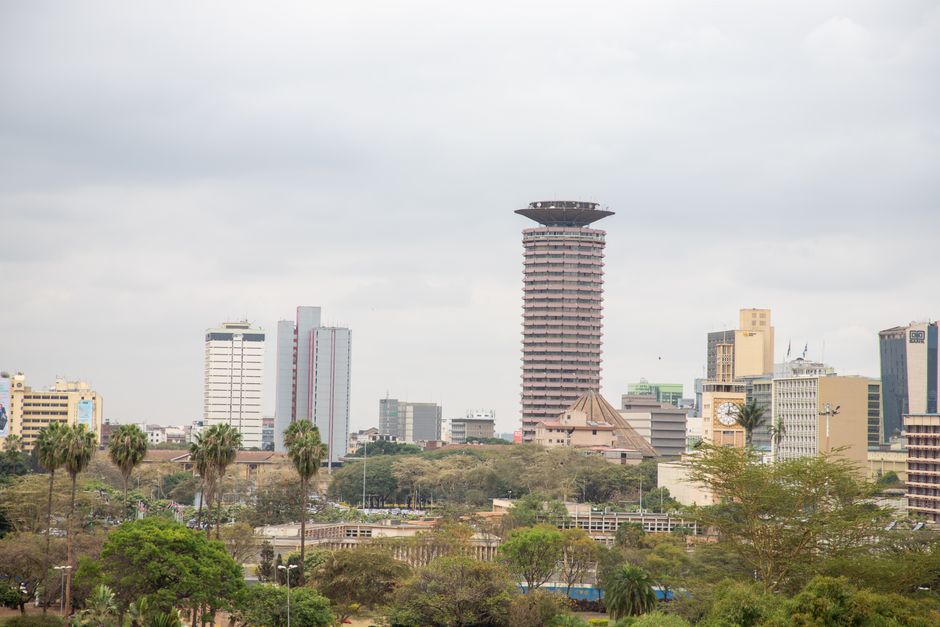
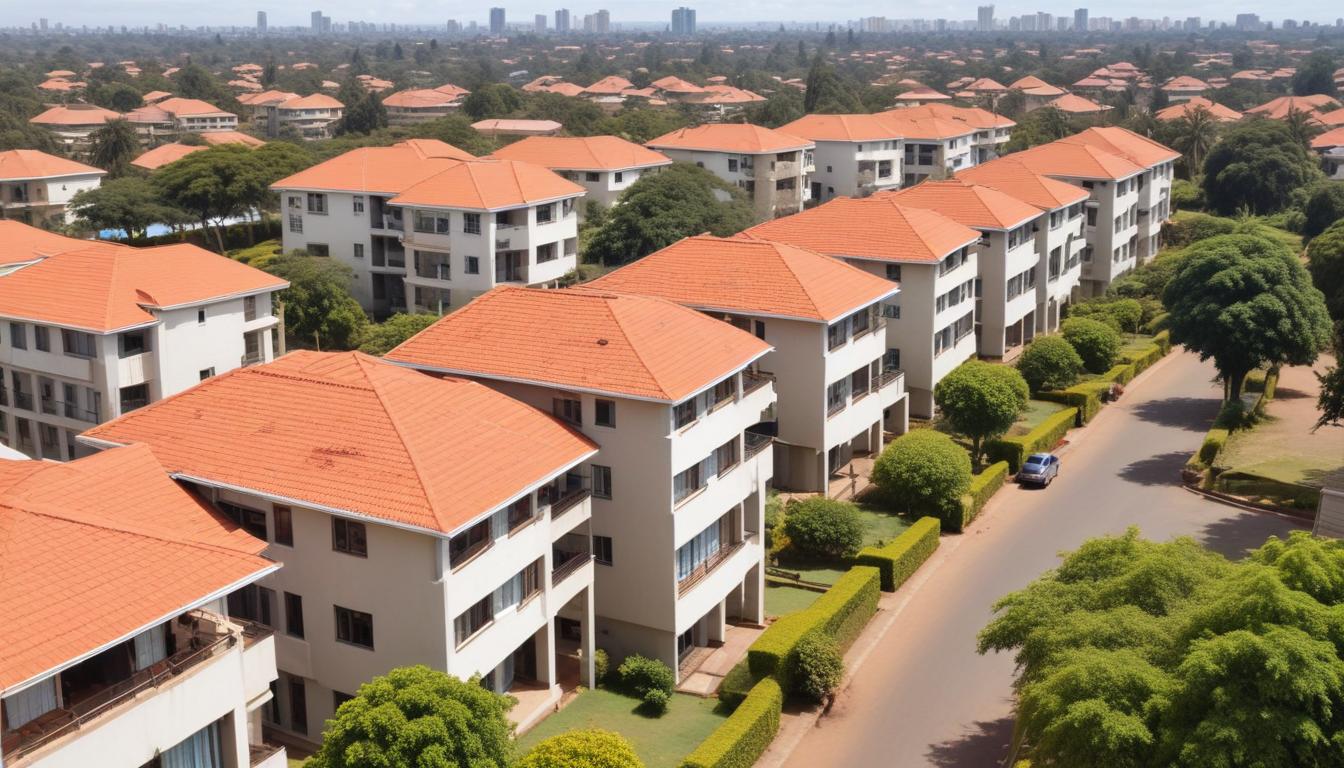
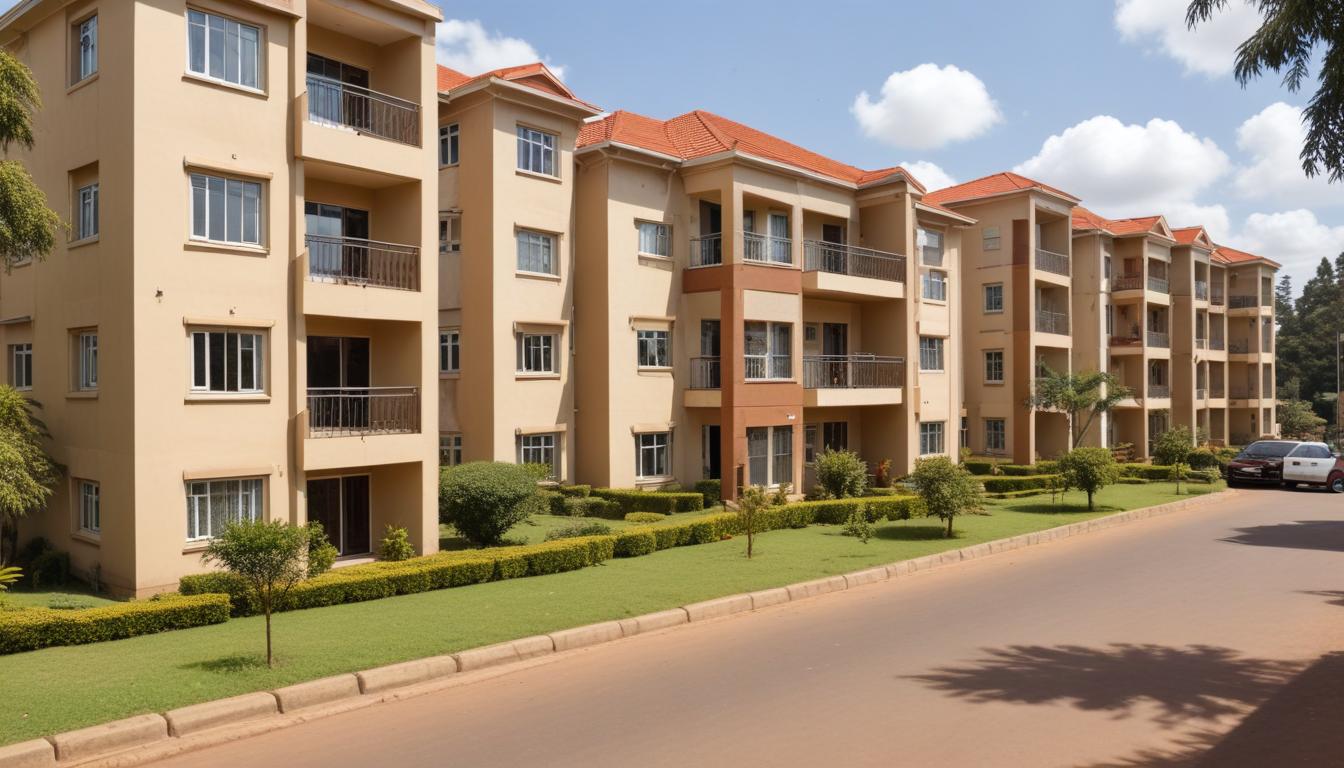
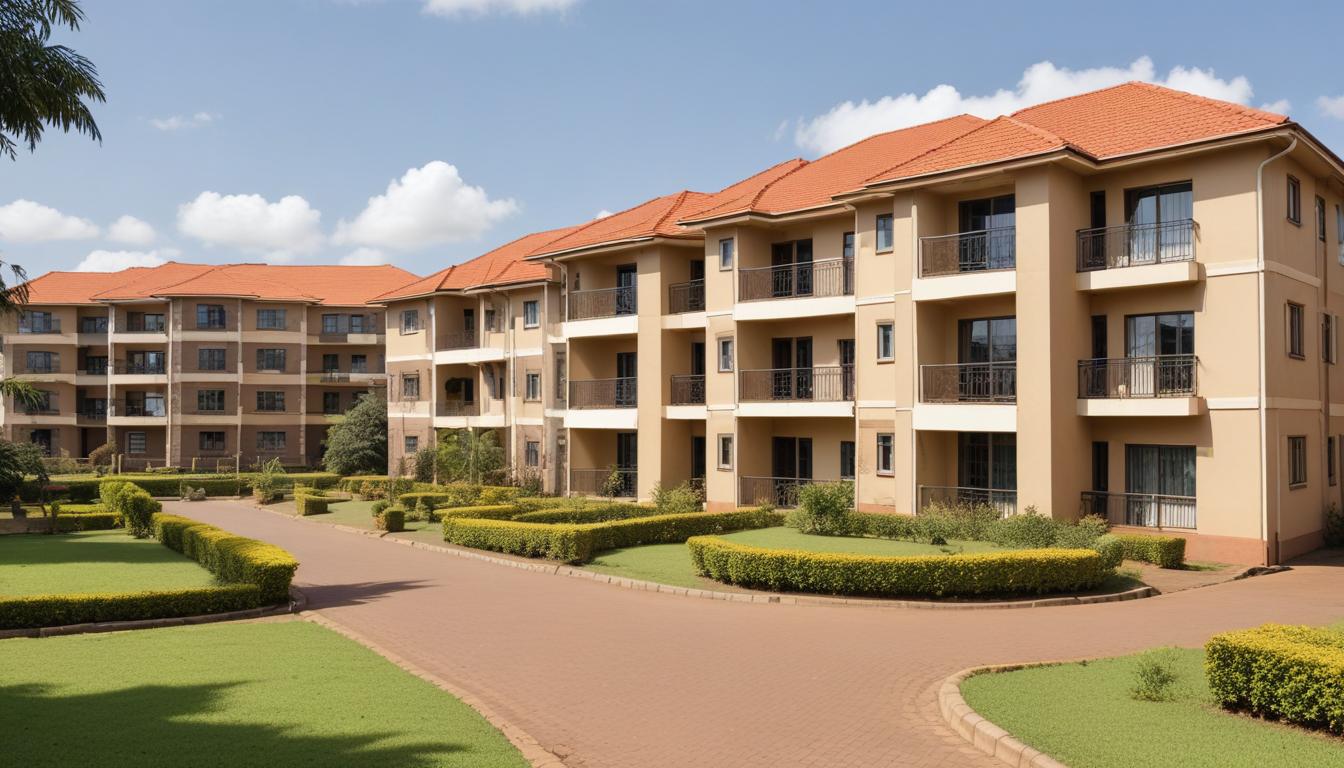
For nearly a decade, Westlands and Lavington have dominated Nairobi's property conversation. But a subtle shift is reshaping the investment landscape, and it's happening on the slopes of Kilimani—a neighbourhood increasingly recognised as offering genuine value in a market where the average property now hovers around KES 15 million.
Kilimani's emergence reflects a broader affordability squeeze. While Westlands premium units command KES 25–35 million, and neighbouring Kilimani's traditionally pricier western reaches push similar figures, the broader neighbourhood's eastern and central zones—particularly around Mwanzi Road, Ngecha Road, and the Kenyatta National Hospital belt—are attracting investors seeking balance between location prestige and actual purchasing power. A well-maintained three-bedroom villa in central Kilimani now trades between KES 12–18 million, notably below the premium corridor's expectations.
The appeal is structural. Kilimani sits on Nairobi's affluent southern spine, minutes from Nairobi Hospital, the Kenyatta National Hospital medical cluster, and established commercial zones along Valley Road. The neighbourhood's infrastructure—modern sewerage systems, reliable water supply, and consistent electricity—contrasts sharply with emerging corridors like Ruaka and Syokimau, where growth remains speculative and services inconsistent. Families value proximity to established schools including Nairobi School, Kenya High School, and the cluster of international institutions nearby. Young professionals appreciate the cultural amenities: the restaurants and bars around Kenyatta Avenue and Ngong Road are far more established than those in distant growth zones.
Real estate agents working the area report increased inquiry density. While Westlands shows signs of saturation—with investors reconsidering premium asks—Kilimani is experiencing steady capital appreciation without the froth. Over the past 18 months, modest renovations have attracted both owner-occupiers and portfolio investors seeking rental yields in the 6–8 per cent range, respectable in Nairobi's current climate.
The neighbourhood's trajectory reflects a maturing market. Affluent investors pursuing Kileleshwa's continued climb or Westlands' stalled premium asks are discovering that Kilimani offers something rarer: authentic accessibility without sacrificing the location credentials that drive long-term value. For first-time quality buyers and diversifying portfolios, it represents the kind of quiet, grounded opportunity that usually only emerges once the loudest markets have already peaked.
This article was compiled by AI from the sources linked above and screened before publishing. See our editorial standards.