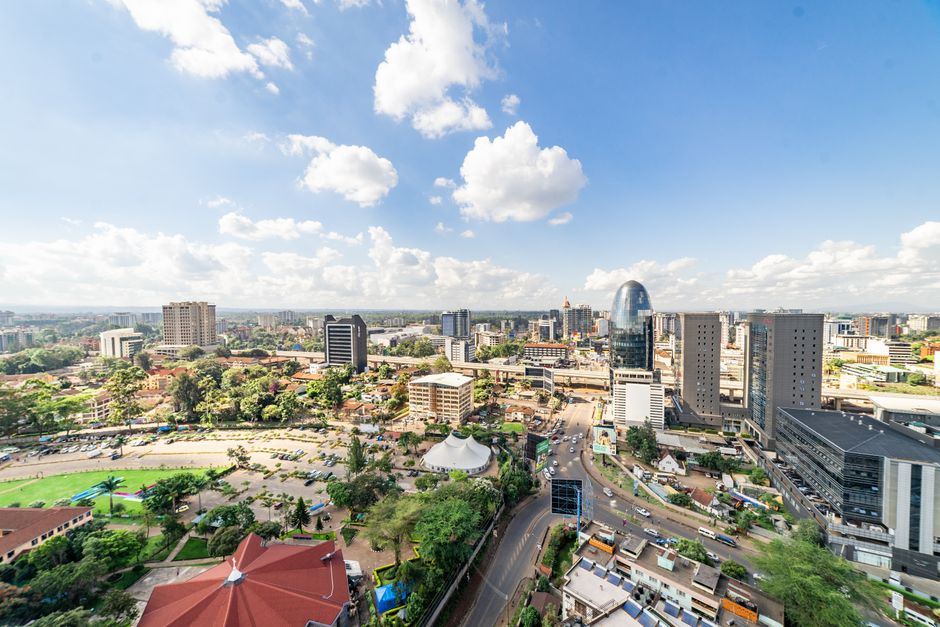
Walk along Limuru Road in Kileleshwa on any weekday morning, and the transformation is unmistakable. Between the established retail blocks and residential compounds, construction hoardings now dominate three separate sites. This is not coincidence—it reflects a pivotal moment in Nairobi's property cycle, where fresh development approvals are reshaping entire neighbourhoods faster than most investors anticipated.
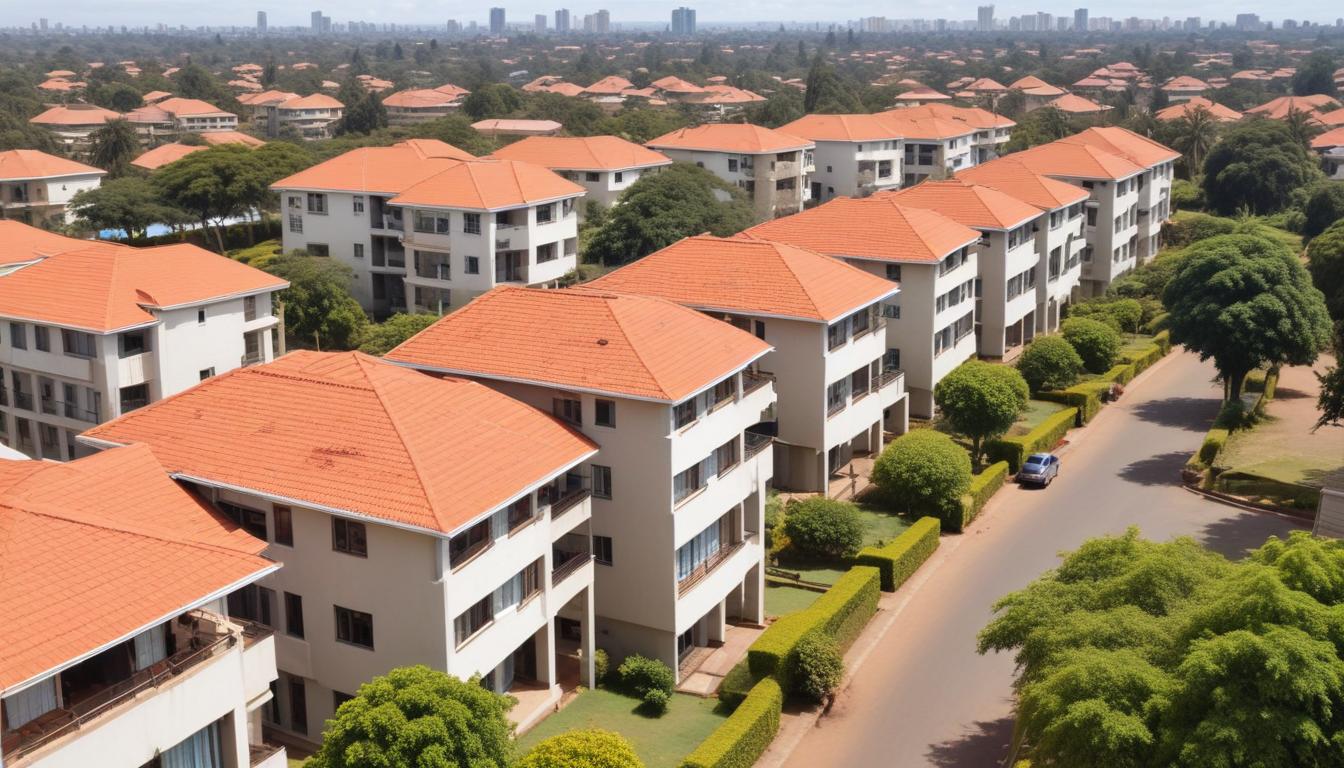
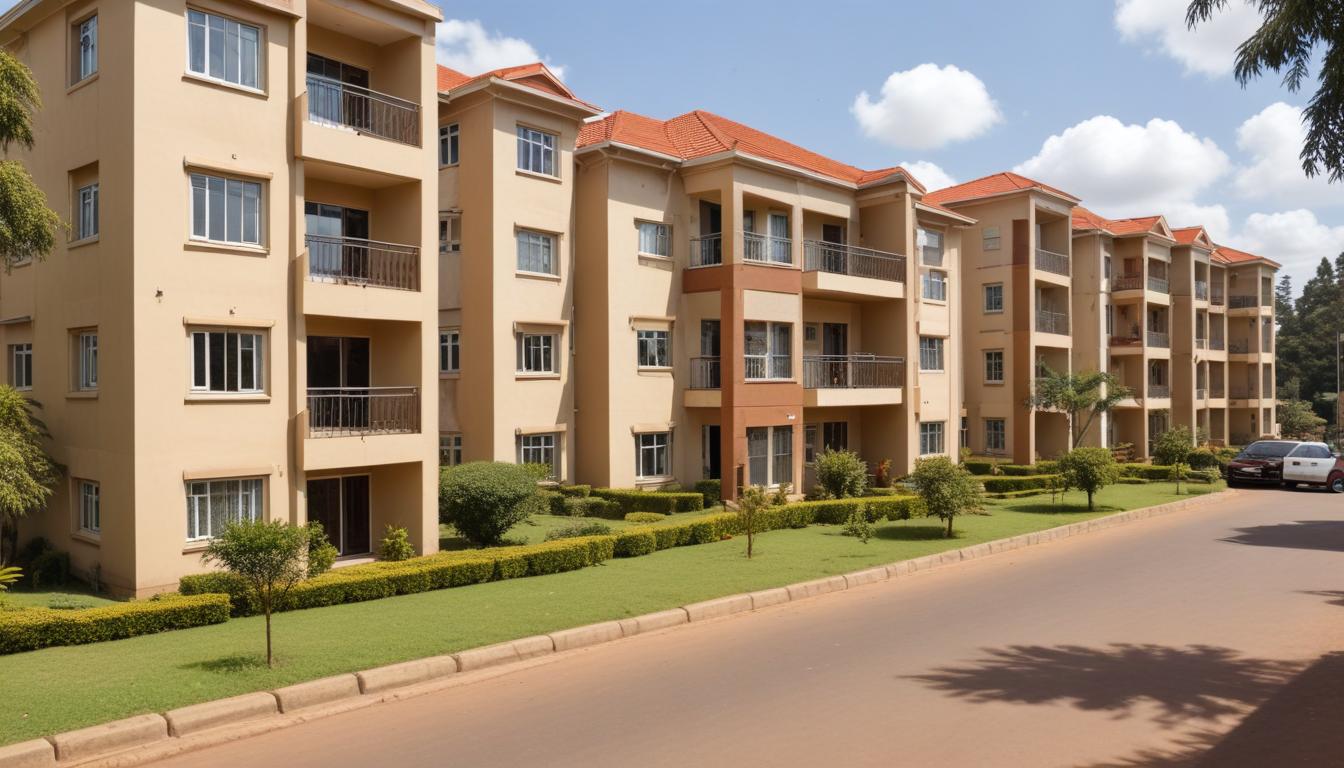
The past eighteen months have seen a marked acceleration in City County approvals for mixed-use and residential projects, particularly along established corridors. Kileleshwa, historically valued at premiums reflecting its proximity to Westlands office nodes, is experiencing a different pressure: vertical densification. New projects combining ground-floor commercial with multi-storey apartments are driving land values upward, with plots that traded at KES 8–12 million five years ago now commanding KES 18–25 million. For existing residents in low-rise enclaves, this shift brings both opportunity and disruption.
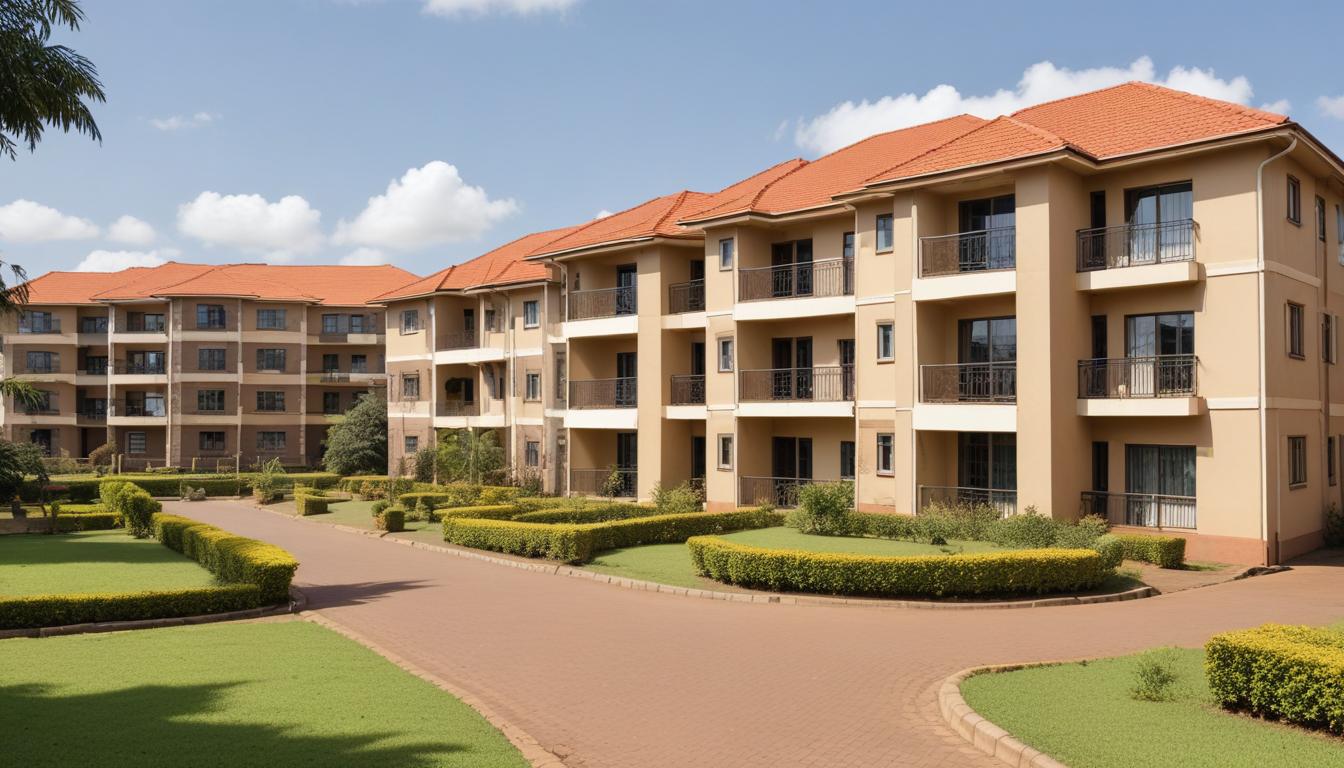
The pattern extends beyond central zones. Syokimau and Ruaka, long positioned as Nairobi's growth corridors, are accelerating as approvals unlock what were previously speculative holdings. A major residential township approved for Syokimau's eastern stretch—combining 2,000-plus units across townhouse and apartment typologies—has already begun shifting local infrastructure expectations. The first phase concrete pour commenced in April, with completion timelines targeting late 2027. Property agents report that standalone house prices in the immediate vicinity have stalled, while approved apartment projects nearby are moving units faster than off-plan inventory in traditional suburbs.
What these pipeline projects mean for neighbourhoods is rarely straightforward. Infrastructure often lags. The Kileleshwa medical hub—anchored by nursing homes and clinics serving the upper-middle-income demographic—is now competing for water and sewerage capacity with incoming residential blocks. County roads remain narrow; traffic during peak hours reflects construction vehicle movements alongside commuter congestion.
Yet demand remains fierce. The average Nairobi property price hovers around KES 15 million, and projects offering improved finishes, managed security, and phased development continue attracting buyers. In Kilimani, where approvals for three new residential estates were gazetted this quarter, agent reports show inquiry volumes up 40 per cent month-on-month.
The real question is whether approvals pace will outstrip absorption. If current pipelines materialise as planned, Nairobi could see an additional 8,000–10,000 residential units enter the market within 24 months. That supply shock will test whether price stability holds in peripheral zones, even as premium neighbourhoods maintain their cushion.
This article was compiled by AI from the sources linked above and screened before publishing. See our editorial standards.