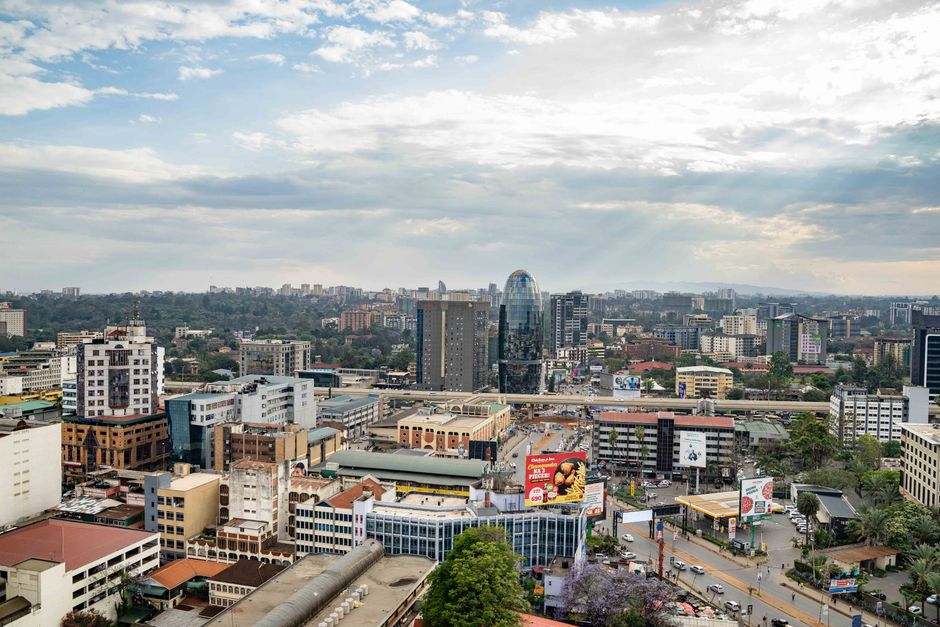
For years, Kahawa West occupied the margins of Nairobi's property conversation: a transit zone between the city and the industrial belt, known more for its wholesale markets and matatu terminus than for investment potential. That calculation has shifted dramatically.
Recent transaction data suggests Kahawa West has emerged as the city's most compelling affordability play, with completed units moving between KES 4.2M and KES 7.8M—a fraction of comparable stock in Kilimani or Kileleshwa, yet increasingly within reach of Nairobi's expanding middle class. The shift reflects both supply realities and policy momentum: the area sits along the proposed Nairobi Metropolitan Railway extension toward Syokimau, positioning it as a commuter asset in ways that older inner-ring suburbs no longer dominate.
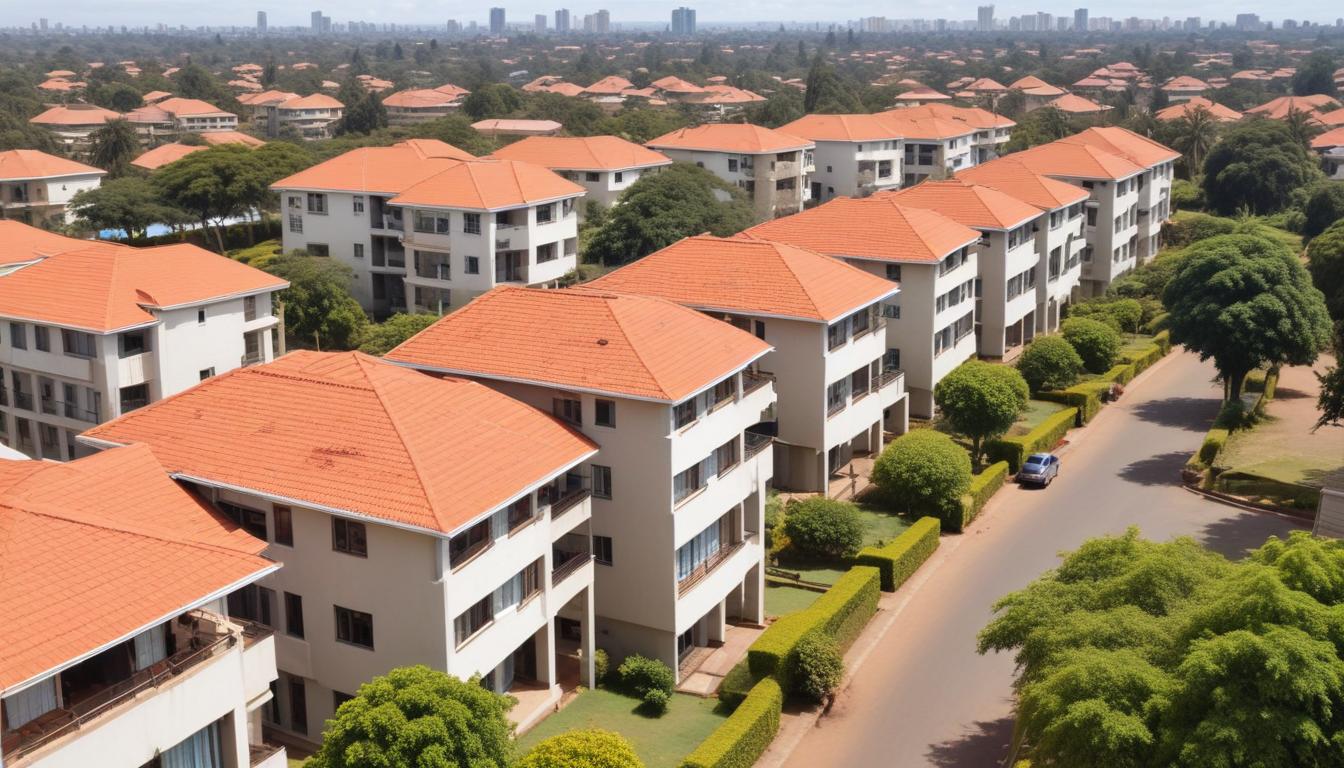
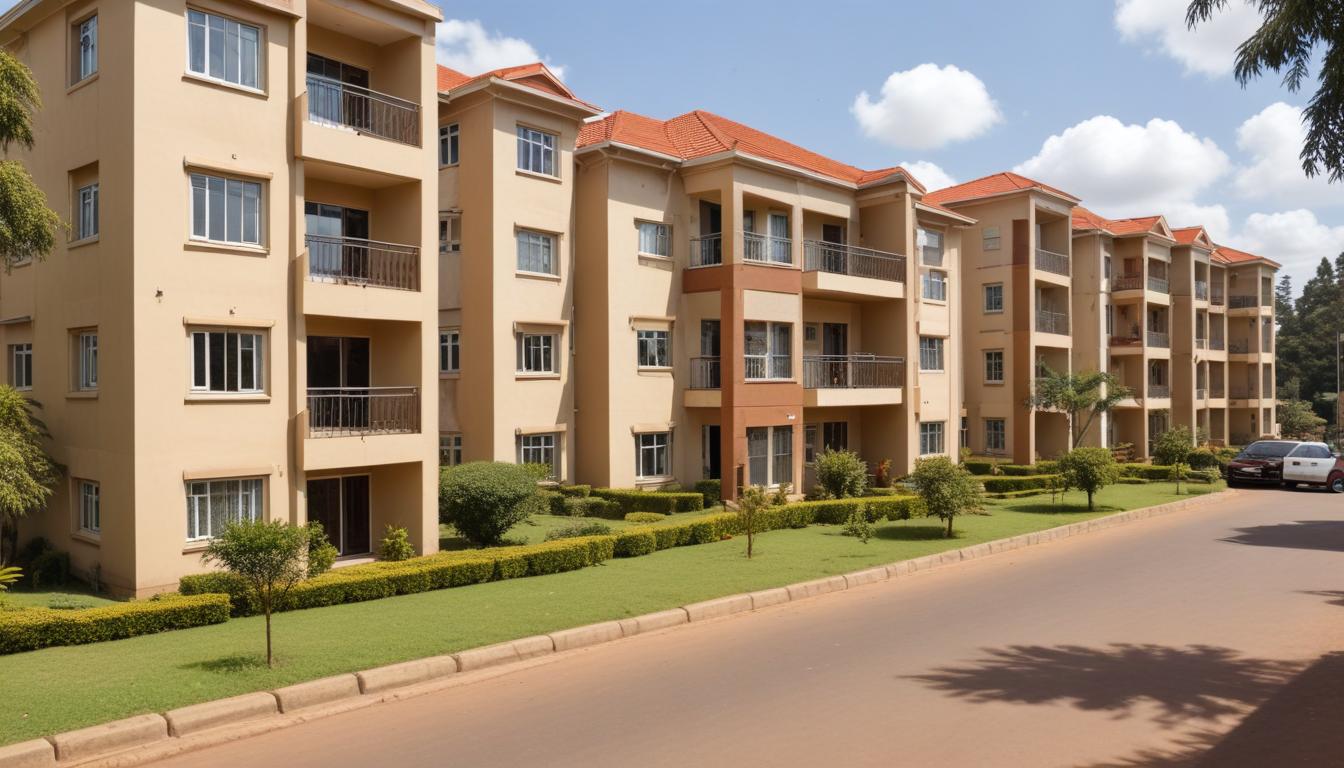
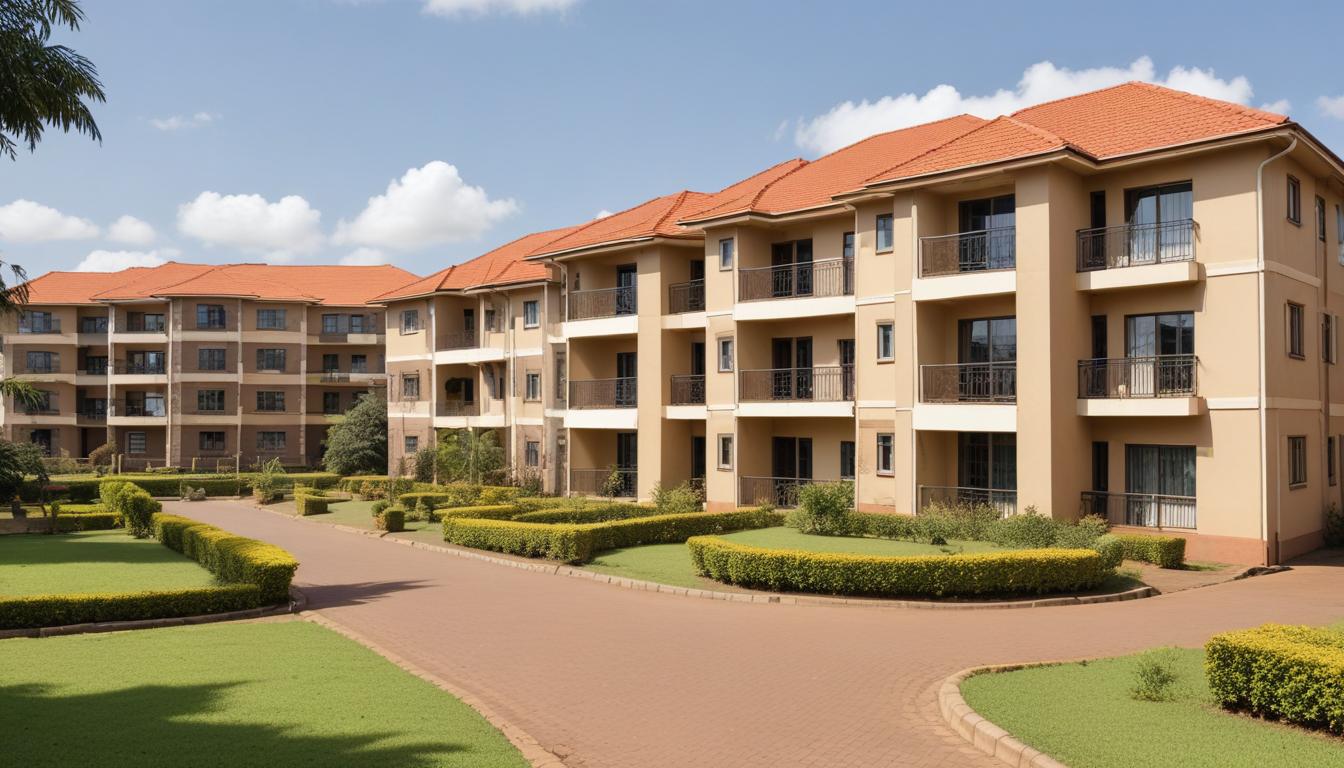
"Kahawa West offers what the market has been starved of," notes the recent activity on Mombasa Road corridor developments, where three substantial housing projects—ranging from 200 to 400 units each—are in construction or planning phases. Units here average KES 5.5M for a two-bedroom apartment, undercutting Ruaka's recent averages by roughly 18 percent while offering comparable road infrastructure and proximity to employment nodes around Industrial Area and Nairobi's eastern bypass.
The neighbourhood's emergence mirrors a broader policy pivot. Government and quasi-public entities have signalled intent to decentralise affordable housing stock beyond traditional zones, reducing concentration risk and spreading infrastructure investment. Kahawa West's position—accessible via Outer Ring Road, sitting within the Greater Nairobi Metropolitan Area boundary, yet outside the premium pricing umbrella of Westlands or Lavington—makes it administratively and commercially attractive to medium-sized developers and institutional investors.
Early-stage retail absorption supports the thesis. Landlords along Kahawa Road report 85–92 percent occupancy across commercial frontage, with small-scale traders and service providers expanding rather than contracting. New water and sewerage connections through Nairobi City Water and Sewerage Company infrastructure projects have reduced per-unit utility friction compared to informal settlements, a material differentiator in affordability calculus.
The risk remains familiar: transport connectivity, while improving, still lags Kileleshwa or Kilimani. Schools and healthcare provisioning remain patchier. Yet for first-time buyers, small-portfolio investors, and institutions focused on rental yield in the KES 450K–650K monthly range, Kahawa West's present trajectory suggests the affordability narrative—too long dominated by far-flung growth corridors—is consolidating closer to the city than consensus had predicted.
That recentring has not gone unnoticed. Land values along Kahawa Road have appreciated 24 percent year-on-year, and pipeline projects now total over 1,200 units. The suburb is no longer a footnote in Nairobi's housing debate—it is becoming its arithmetic.
This article was compiled by AI from the sources linked above and screened before publishing. See our editorial standards.