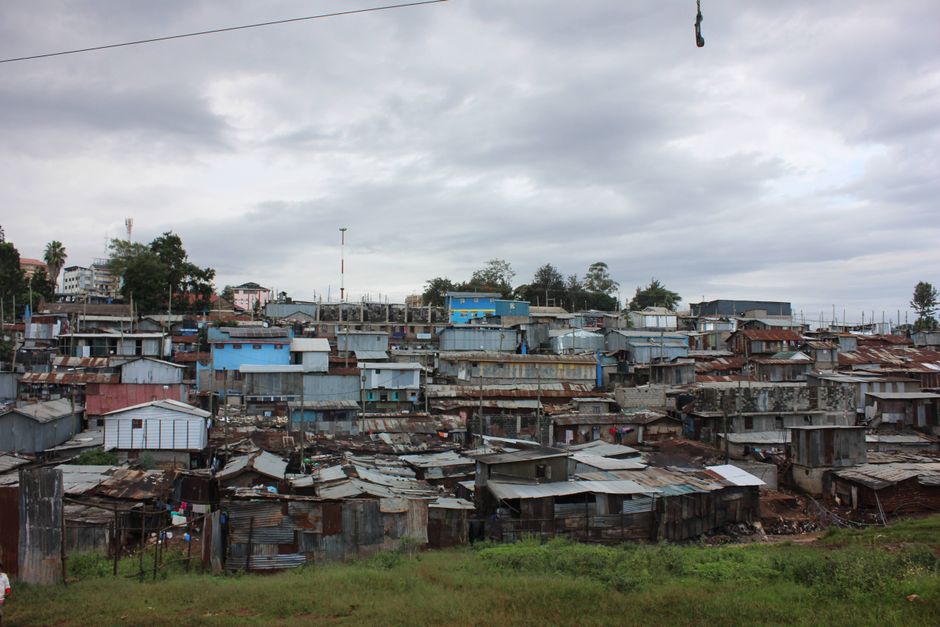
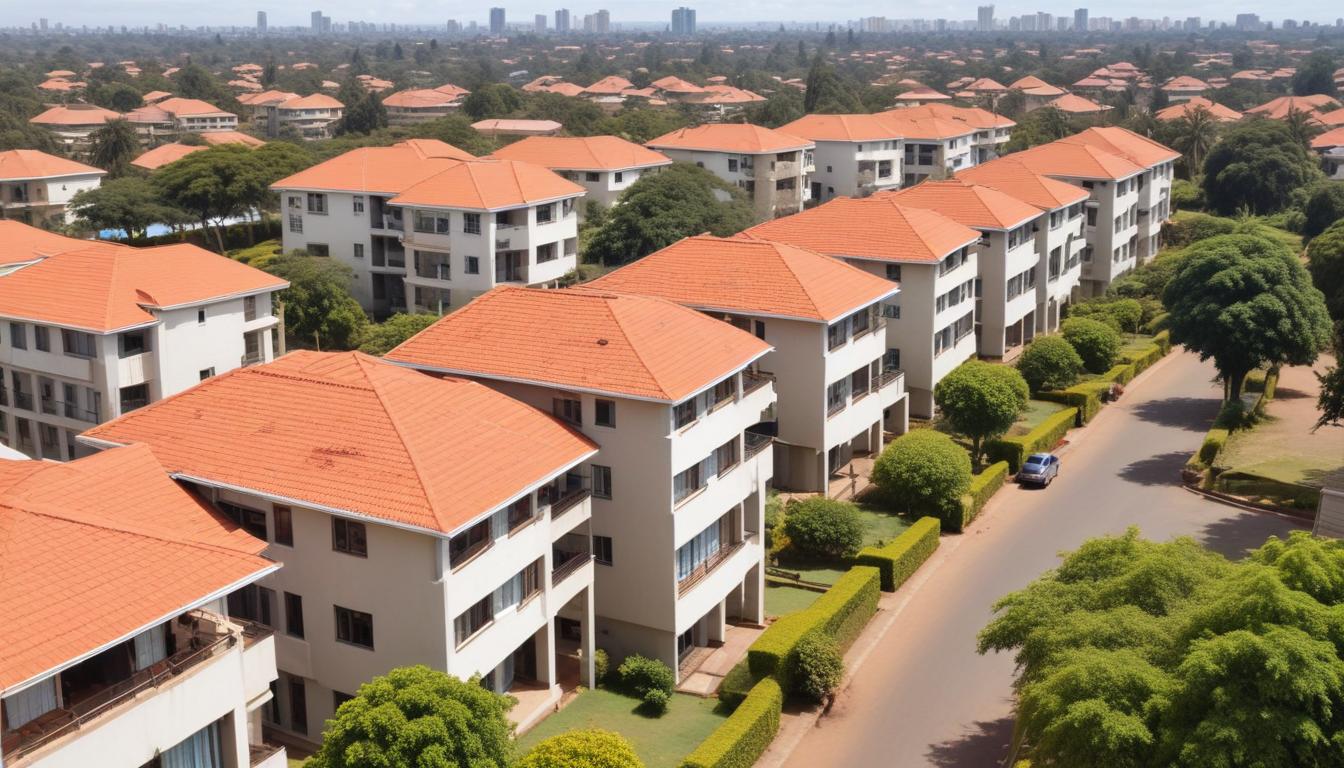
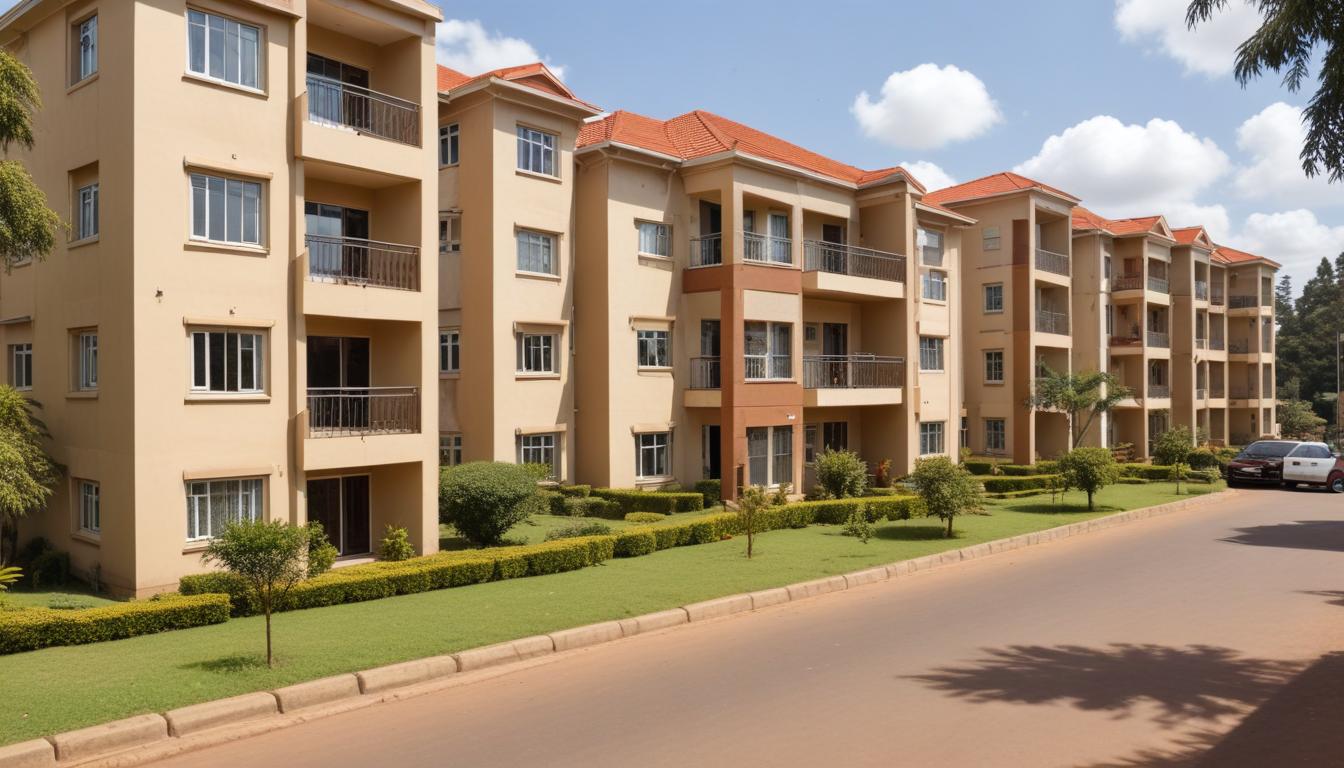
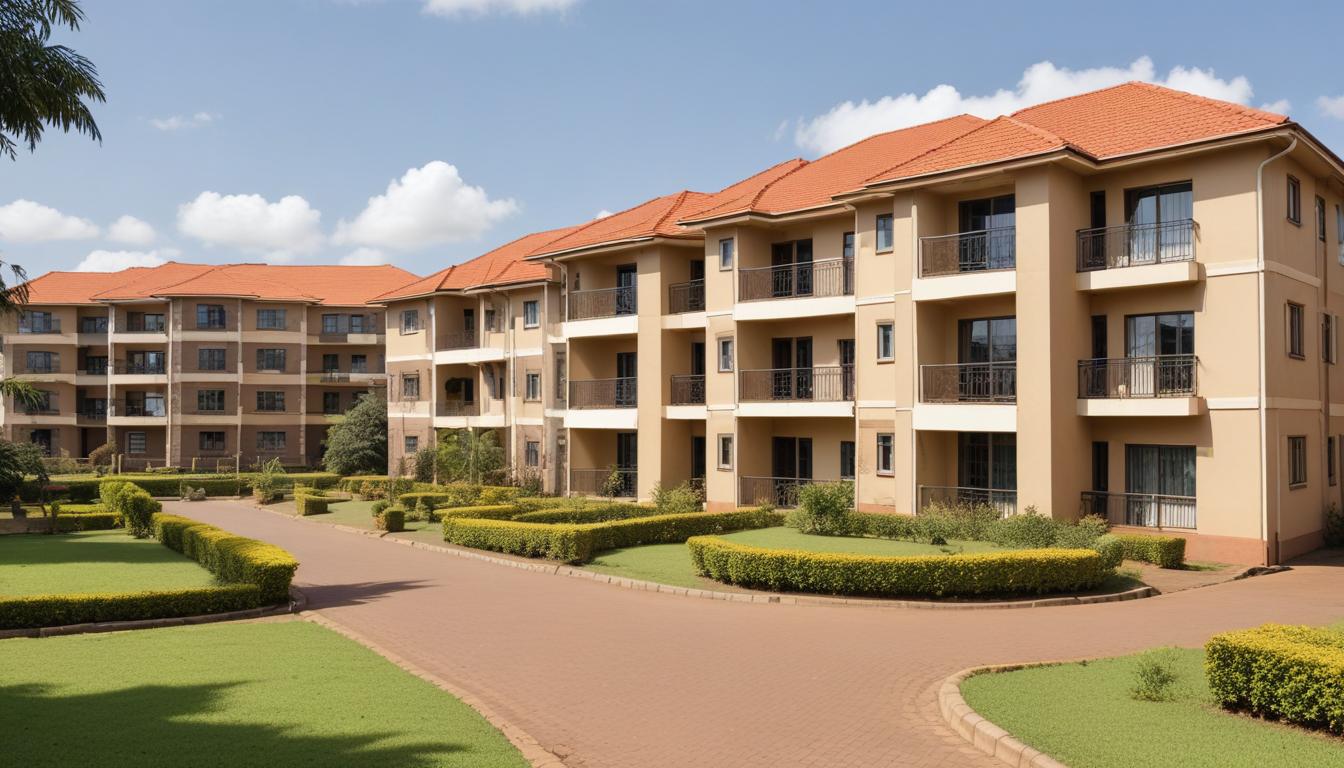
Nairobi's property market is bracing for significant disruption following the County Planning and Development Committee's approval of revised zoning regulations this month, a move that could reshape affordability dynamics across key growth zones within the next 24 months.
The policy rewrite, unveiled at a public hearing in Nairobi's Central Business District, prioritises high-density, mixed-income developments in previously underutilised corridors—notably along the Eastern Bypass towards Syokimau, and within Ruaka's expanding commercial hubs. Under the new framework, developers are incentivised to allocate 15-25% of units in projects above 50 units as affordable stock, priced between KES 3-7 million, compared to the current market average of KES 15 million across most of Nairobi.
The impact is already visible. Several large-scale projects in Kilimani and Kileleshwa—traditionally middle-income neighbourhoods—have submitted revised architectural plans to meet the density thresholds now permitted under updated Floor Area Ratio (FAR) guidelines. Conversely, premium zones like Westlands and Lavington face tighter restrictions, with enhanced green space and parking requirements expected to maintain their character while moderating supply growth.
"The policy recognises that affordability cannot exist in isolation," notes the County's housing directorate framework document. Projects in Syokimau and Ruaka, where land costs remain between KES 500,000-1.2 million per acre, are positioned to benefit most. Developers report construction costs falling by 8-12% when amortised across larger unit counts, a saving potentially passed to end-buyers.
However, transition risks loom. Landowners in intermediate zones—particularly around Thika Road corridors and Upper Hill's older residential pockets—face uncertainty as properties await reclassification. Some have shelved development plans pending clarity on permitted densities and infrastructure capacity.
The Ministry of Lands and the Nairobi County Government have committed to publishing detailed implementation guidelines by September 2026, including specific density maps for each ward. Transport authorities are simultaneously advancing Bus Rapid Transit (BRT) infrastructure along key arterials, a coordinated effort designed to anchor affordable housing near mobility hubs.
Market watchers suggest early movers—developers securing land in Syokimau and Ruaka before density maps are finalised—may capture pricing advantages. For end-buyers, the policy signals a window of opportunity in growth corridors, though completion timelines remain volatile pending environmental clearances and utility upgrades.
The policy's success hinges on sustained political commitment and developer uptake. International comparisons suggest mixed results; Kenya's housing deficit remains acute at 2 million units, and policy-driven affordability mandates are only part of the solution.
This article was compiled by AI from the sources linked above and screened before publishing. See our editorial standards.