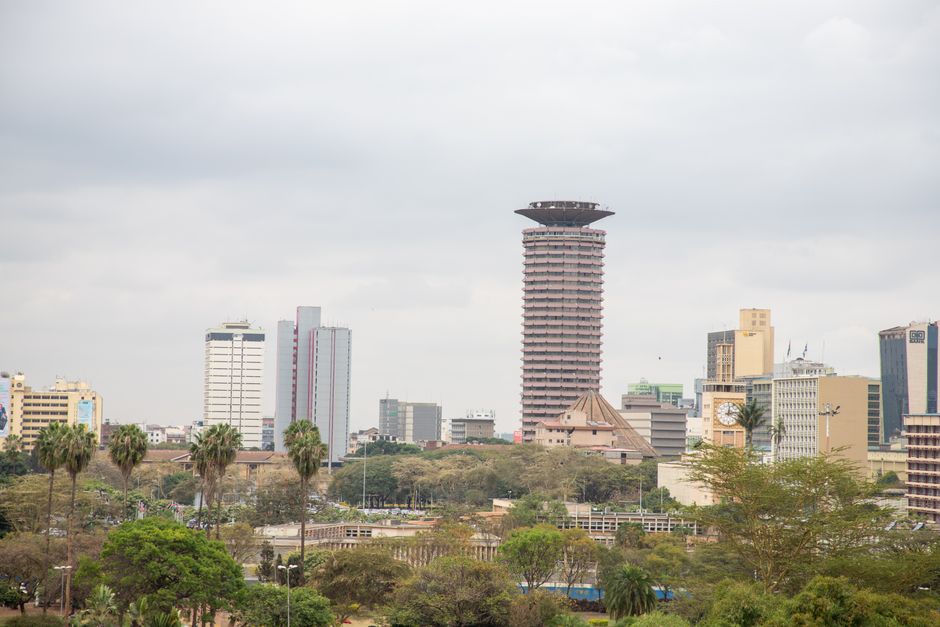
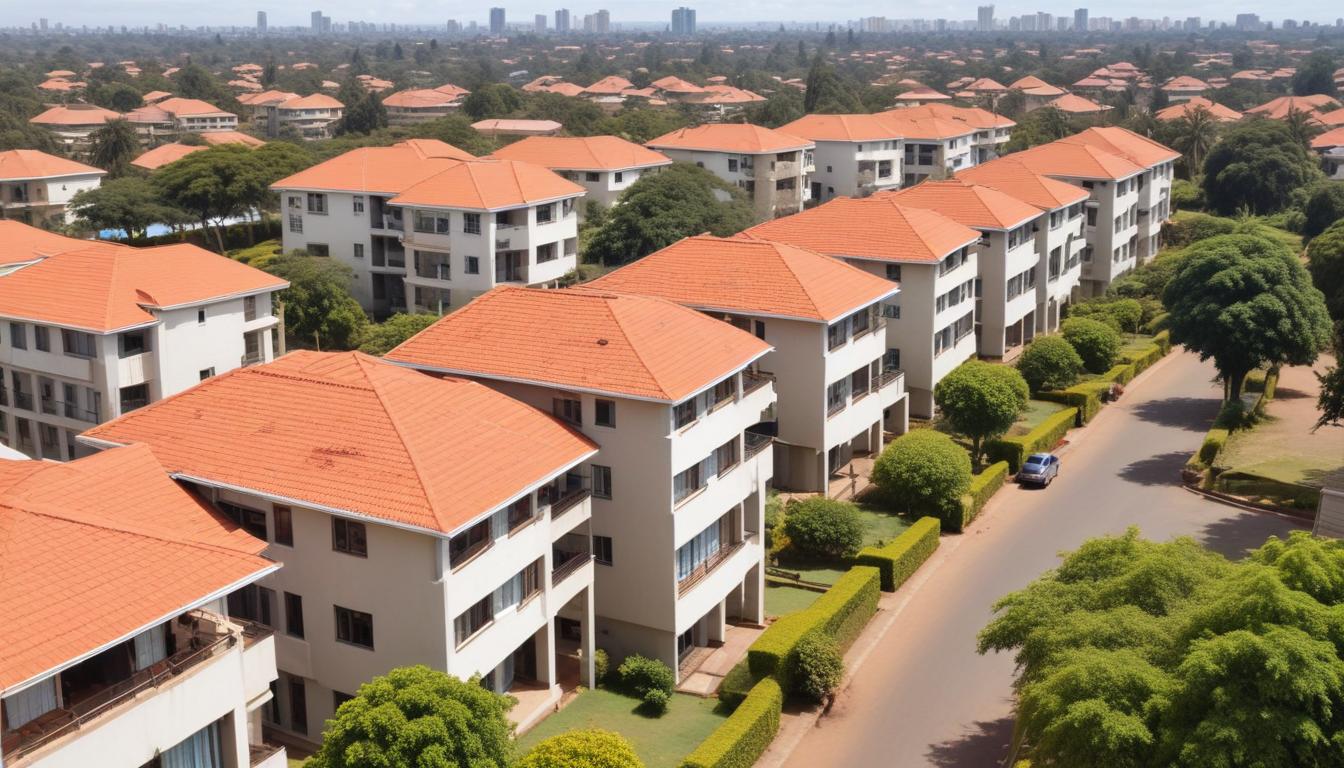
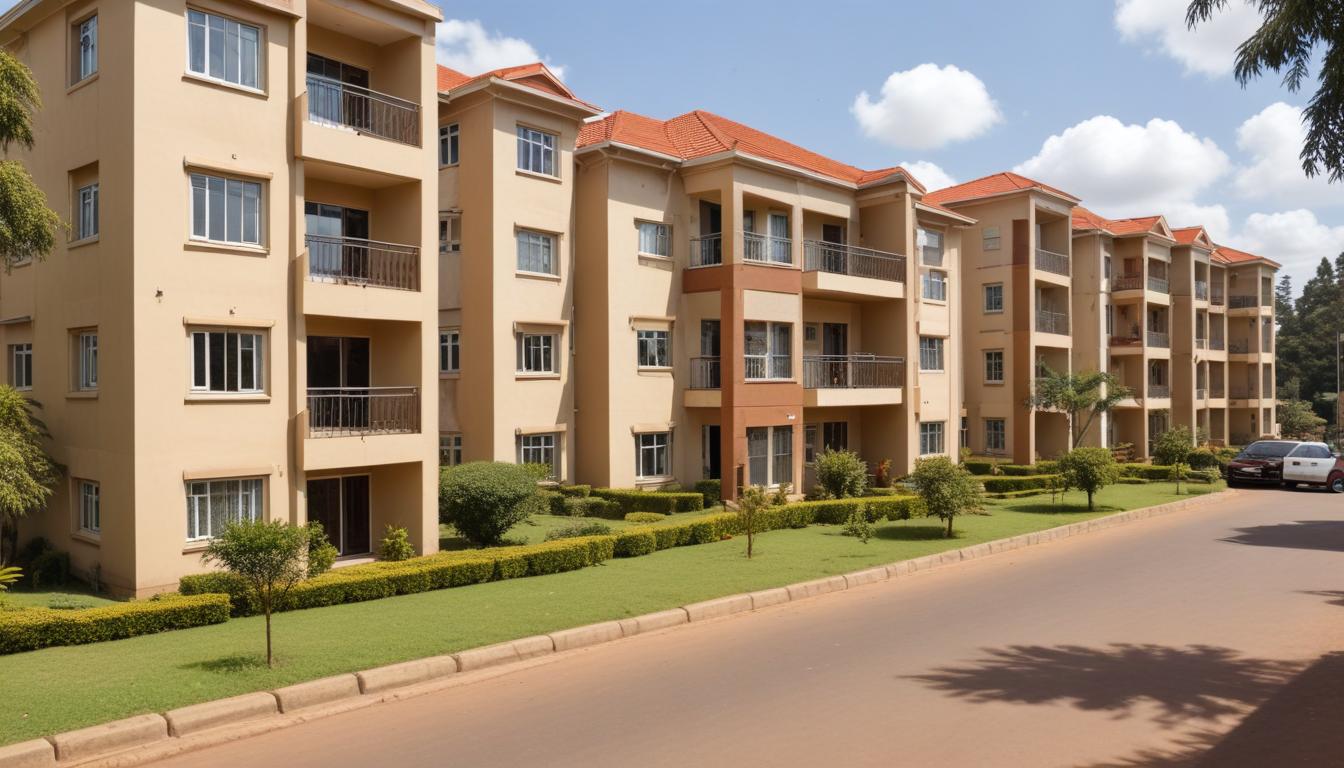
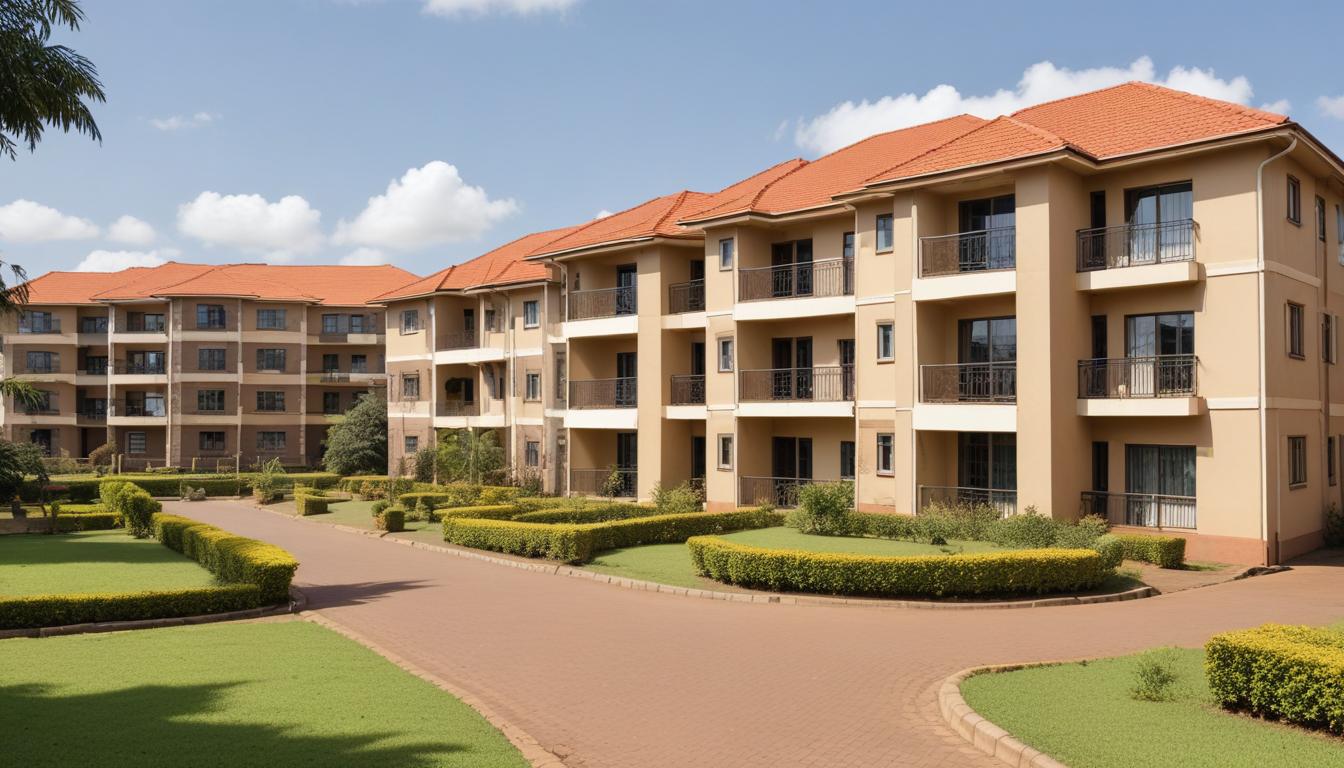
Nairobi's property landscape is experiencing a significant shift as developers race to secure approvals for mixed-use projects in established zones. The Upper Hill corridor, traditionally dominated by office parks and institutional buildings, is now seeing a surge in residential towers coupled with retail and hospitality anchors—a trend that mirrors similar transformations in Westlands and signals a broader urban densification strategy.
Recent approvals from the Nairobi City County planning department show at least six major projects at various construction stages within the Upper Hill, Parklands, and adjacent areas. Developers cite improved infrastructure—including the Nairobi Expressway connectivity and planned BRT lanes—as catalysts for investment. These projects typically range from KES 8 billion to KES 25 billion in total development value, with residential units priced between KES 12 million and KES 35 million depending on finishes and location within the development.
The implications for established neighbourhoods are multifaceted. Property values in proximity zones like Kilimani and Kileleshwa have shown appreciation of 8–12 percent annually over the past three years, according to market data from local valuation firms. However, residents express mixed sentiment: while improved amenities and retail options attract younger professionals and expand the rental market, concerns about traffic congestion, water pressure, and green space loss persist.
The County's planning office has introduced stricter compliance requirements following past infrastructure strains. New projects must now include dedicated parking, water storage facilities, and community benefit agreements—provisions that increase construction timelines by 6–12 months but aim to mitigate negative spillover effects on existing residents.
Growth corridors like Ruaka and Syokimau continue to attract developers seeking lower land costs and expansion potential. Several planned townships along these routes promise integrated living with commercial spaces, though infrastructure readiness remains inconsistent. Roads, schools, and healthcare facilities lag behind residential completion rates in some cases.
For investors, the current environment presents opportunity amid uncertainty. While approvals are easier to obtain in designated growth zones, the most stable long-term value appears concentrated in projects within or adjacent to established neighbourhoods with existing infrastructure and institutional presence. The average Nairobi property price of KES 15 million remains an entry point, though premium zones like Westlands and Lavington command significantly higher premiums.
As Nairobi continues its vertical expansion, the success of these developments will ultimately depend on whether infrastructure, governance, and community integration keep pace with construction timelines. Early indicators suggest selective areas will thrive, while others may face growing pains typical of rapid urbanisation.
This article was compiled by AI from the sources linked above and screened before publishing. See our editorial standards.