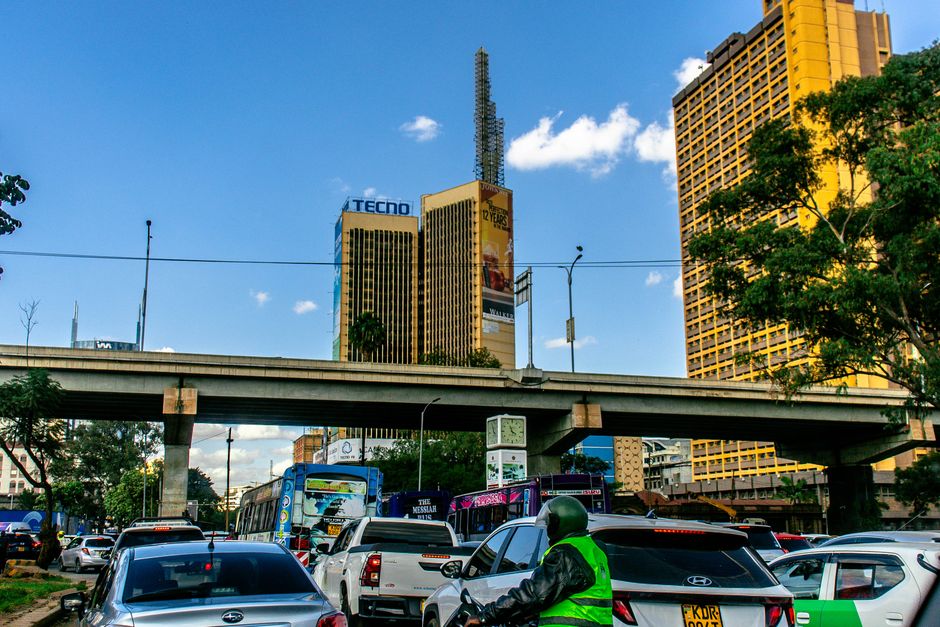
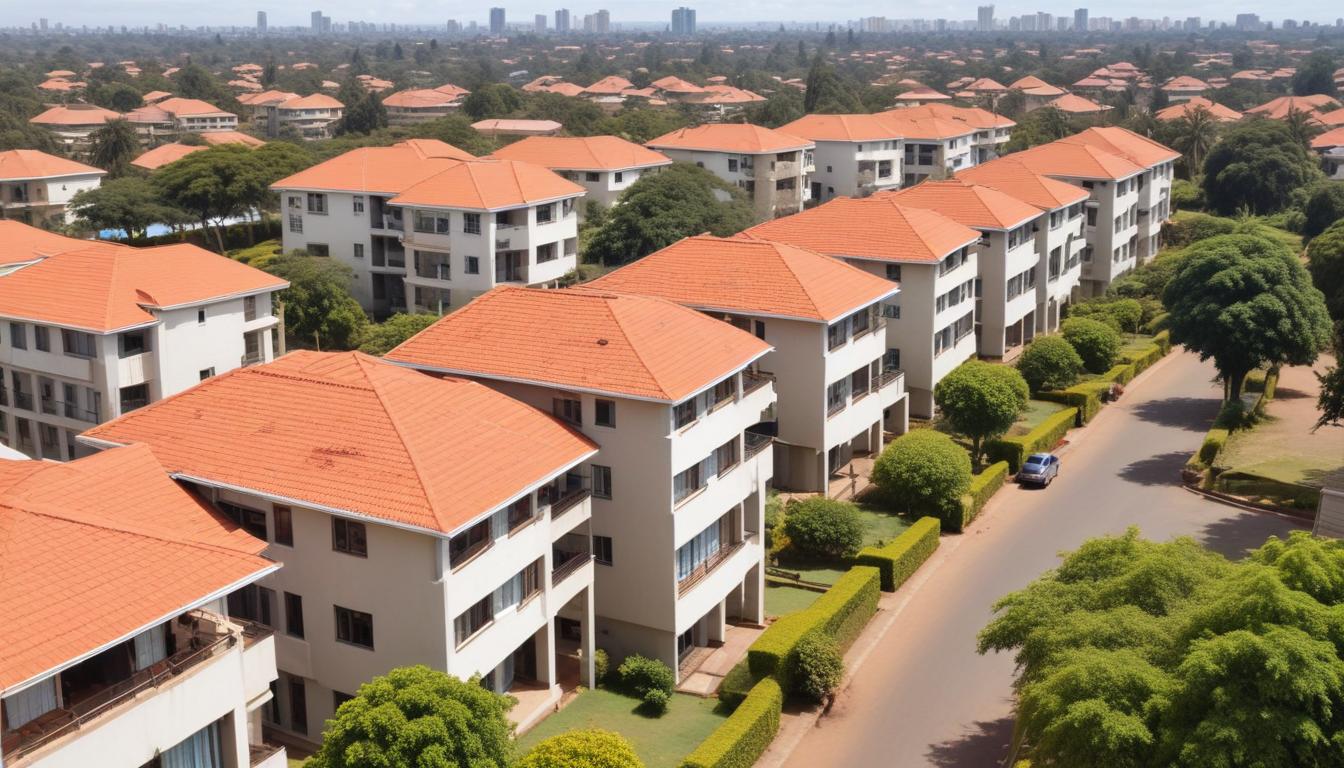
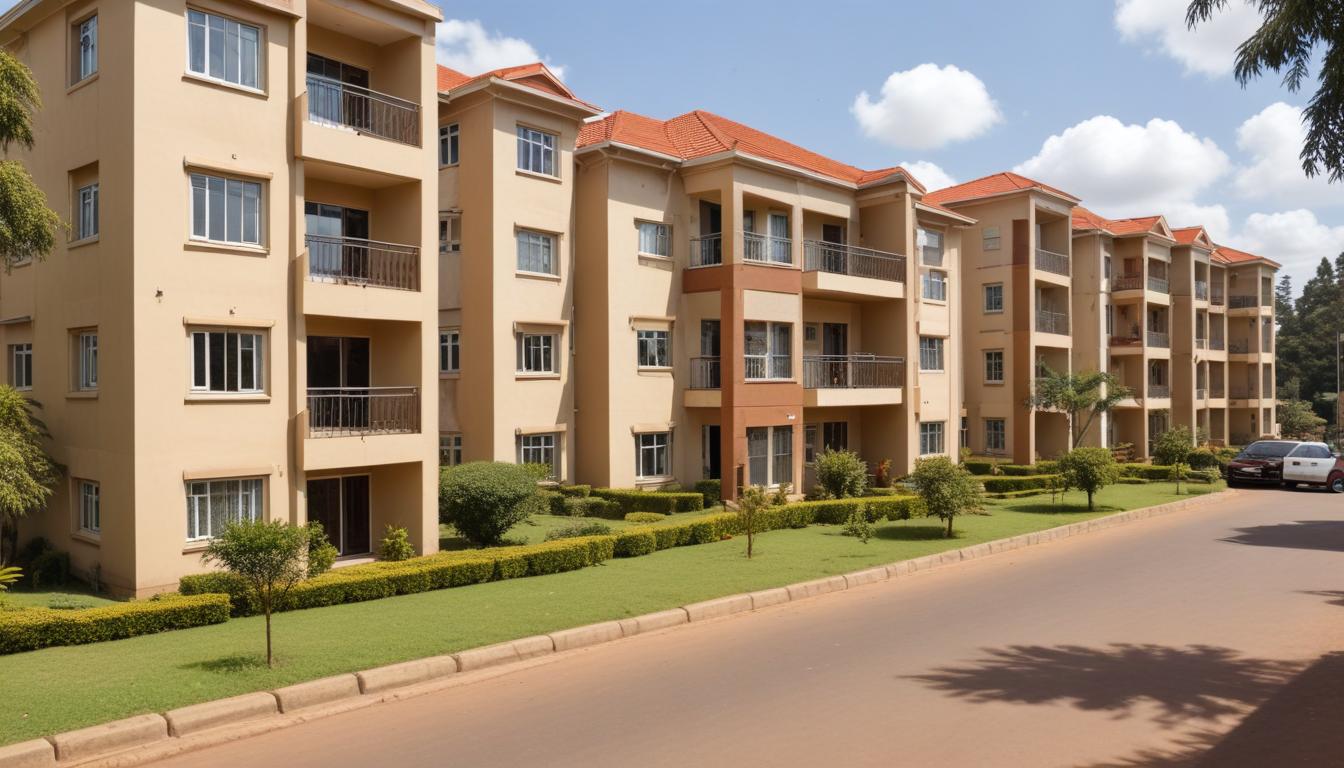
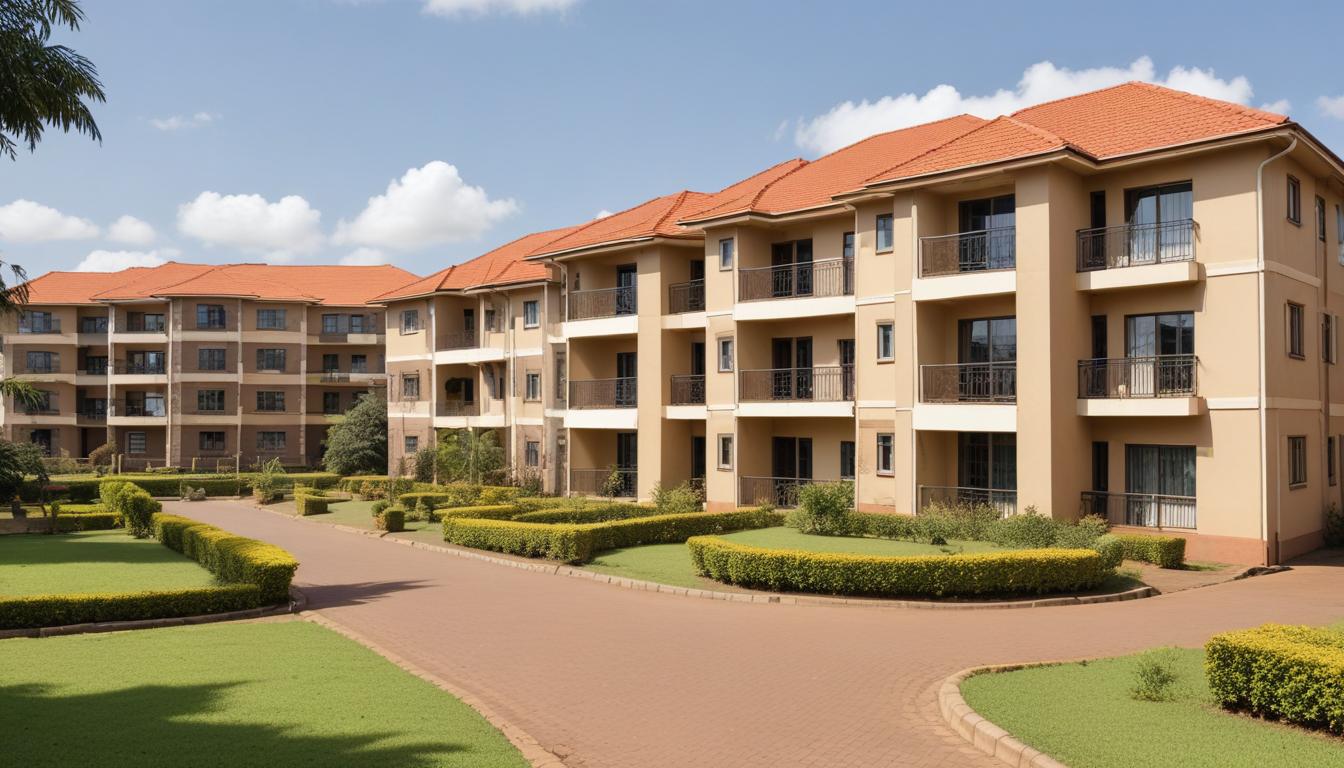
The Nairobi property market in mid-2026 tells a story of paradox. While headline prices hover around KES 15 million for an average residential unit, first-time buyers are discovering that the real barrier isn't always the asking price—it's what sits beneath it.
Construction costs remain stubbornly elevated. Materials imported through Mombasa port continue to carry freight and regulatory overheads that squeeze developer margins, forcing them to maintain asking prices even as demand softens in peripheral zones. Meanwhile, land scarcity in established corridors—Westlands, Lavington, and increasingly Kileleshwa—has artificially compressed supply. Real estate agents report that plots in these neighbourhoods change hands at premiums exceeding 40 percent year-on-year, a dynamic that trickles down to unit prices.
Yet opportunity exists for informed buyers. The Central Bank's latest housing finance guidelines have prompted commercial banks to relax loan-to-value ratios for first-time buyers, particularly in designated growth zones like Ruaka and Syokimau. Several lenders now offer 85 percent LTV arrangements for properties under KES 10 million, a meaningful shift from the 70-80 percent norm that dominated the market two years ago.
Government-backed initiatives have also gained traction. The Kenya Mortgage Refinance Company continues to subsidize rates for qualifying first-time buyers purchasing their primary residence under KES 5 million, while county-level schemes in Nairobi County offer modest stamp duty waivers on transactions below similar thresholds. The catch: these require patience with paperwork and eligibility verification through Kenya Revenue Authority channels.
For buyers entering now, location strategy matters. Established neighbourhoods like Kilimani command premiums, but contemporary construction in Ruaka and the emerging Syokimau corridor offers comparable amenities—proximity to the Southern Bypass, growing commercial hubs—at 15-25 percent discounts. A two-bedroom apartment that might list at KES 12 million in Westlands appears at KES 9-10 million in these adjacent zones.
The advice from seasoned agents in offices clustered around Kenyatta Avenue remains consistent: start with your genuine budget, not the market's asking prices. Get pre-approved financing in writing before viewing properties. And scrutinize the fine print on developer payment plans; transparent, phased structures indicate stability.
Nairobi's entry-level market isn't shrinking—it's shifting geographically and demanding smarter buyers. Those willing to look beyond prestige addresses and understand the mechanics of current lending will find 2026 a workable year to secure their first home.
This article was compiled by AI from the sources linked above and screened before publishing. See our editorial standards.