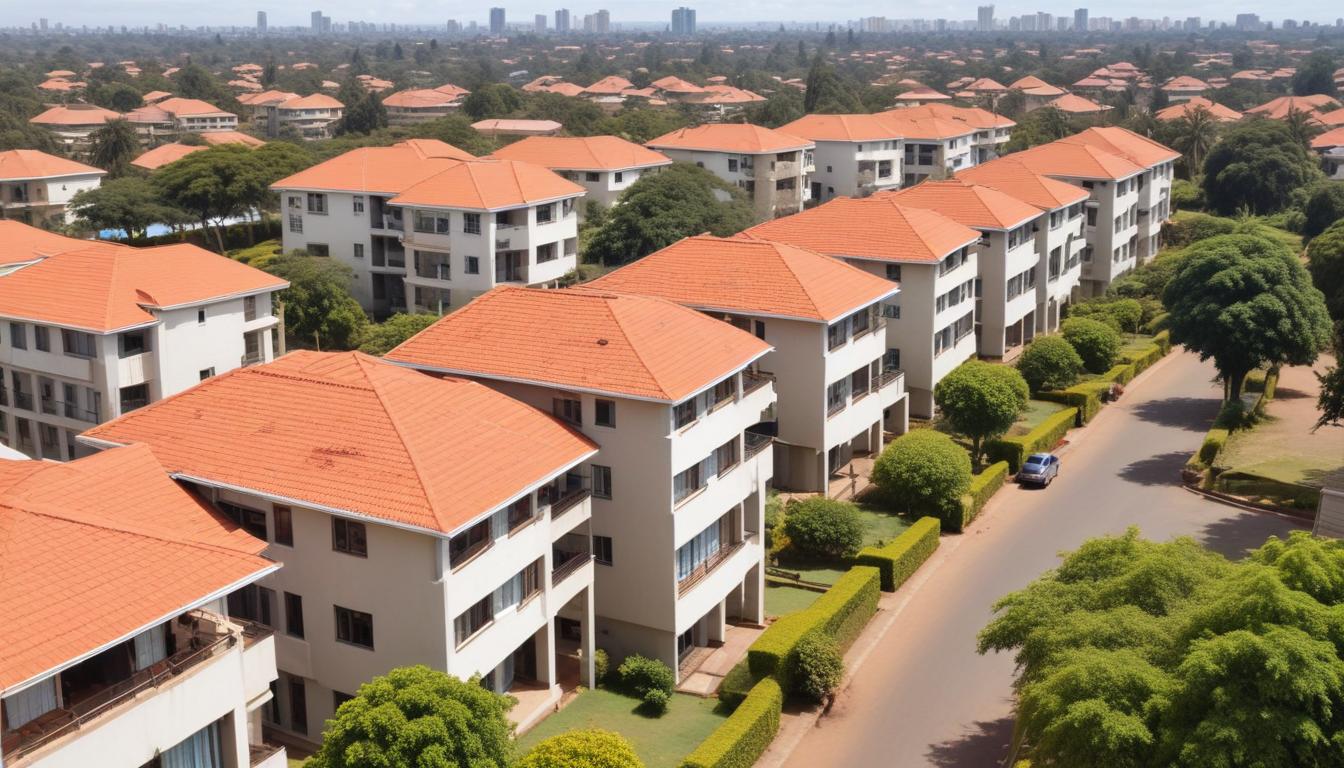
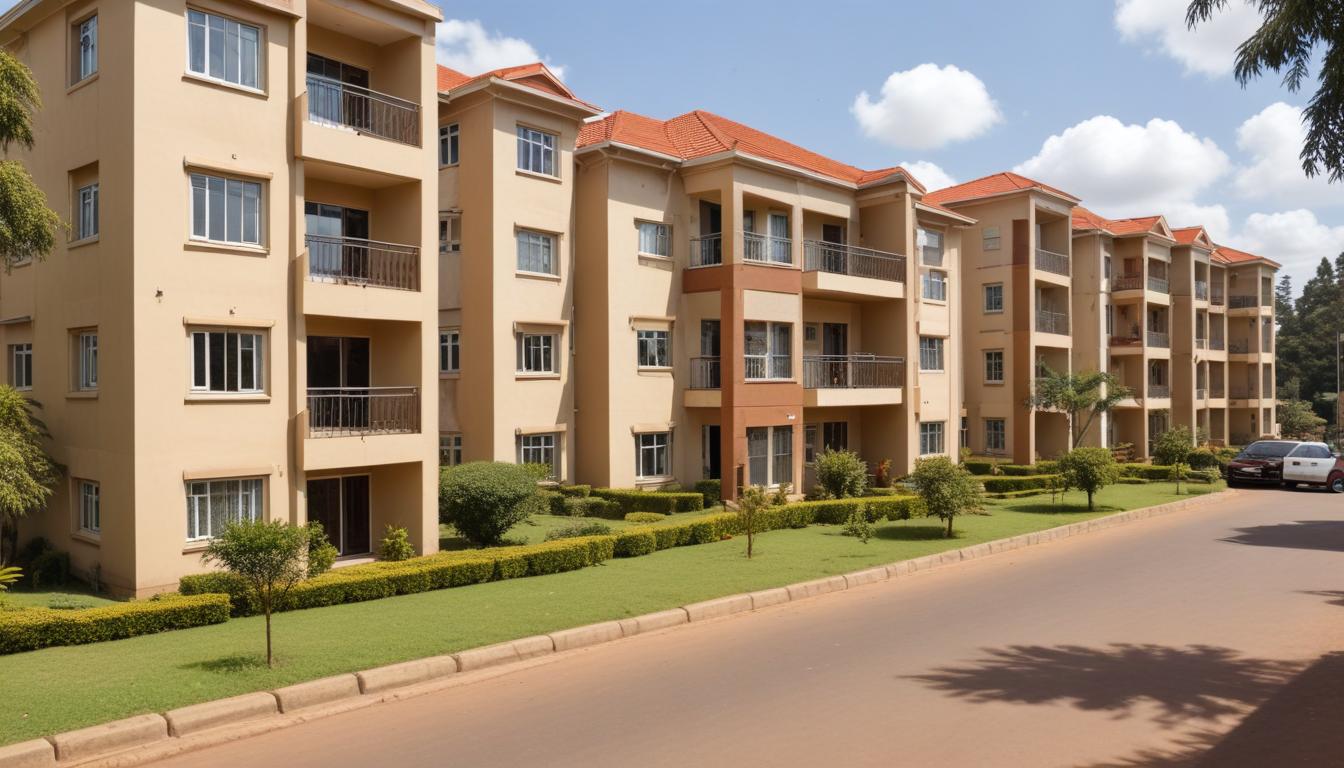
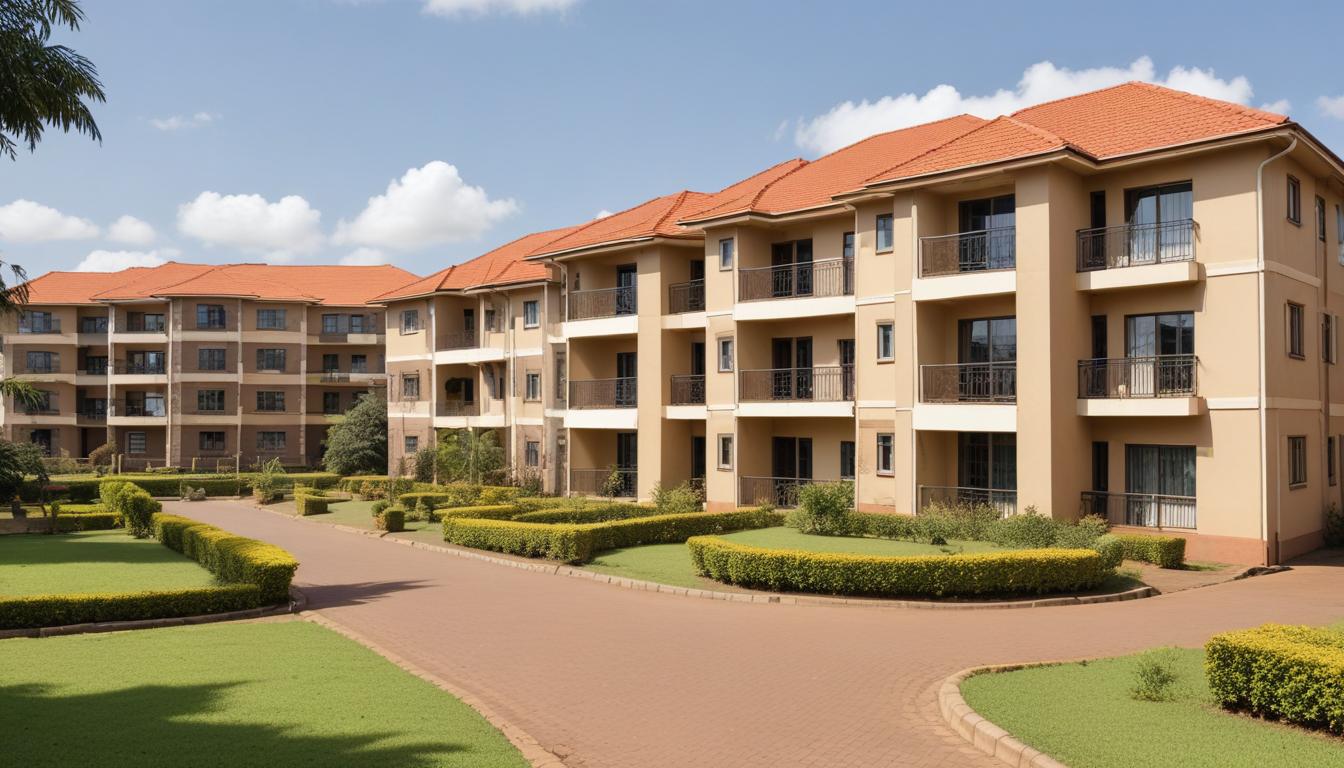
The gleaming towers along Waiyaki Way and the tree-lined avenues of Lavington tell a story of Nairobi's booming luxury property sector. Yet behind the manicured facades of these prestige addresses, both landlords and tenants are navigating an increasingly strained rental market where expectations and economics are colliding.
High-end residential units in Westlands and Lavington—where monthly rents typically range from KES 400,000 to over KES 1 million for three-bedroom apartments—are experiencing longer vacancy periods than at any point in the past three years. Property managers across the Upper Hill and Kilimani corridors report that while demand for premium housing remains steady, the pool of tenants willing to pay asking prices has narrowed considerably. Expatriate assignments, once the reliable anchor for luxury lettings, have become less predictable, with many multinational firms reassessing their Nairobi headcount.
For landlords, the pressure is acute. Many who invested in luxury developments during the 2019-2022 boom anticipated rental yields of 6-8 percent annually. That mathematics is now proving elusive. Owners are faced with a choice: reduce rents—a move that many resist for fear of eroding property valuations—or extend vacancy periods while holding firm on rates. Some have begun offering incentives: three months free rent, flexible lease terms, or furnished-unfurnished options to sweeten deals on premium units across Kileleshwa and surrounding enclaves.
Tenants, meanwhile, are wielding newfound leverage. Where the market once favored landlords, prospective renters in the KES 500,000-plus monthly bracket now negotiate aggressively. Those seeking to relocate along the Spring Valley–Runda corridor or within the commercial hubs near Chiromo Lane are demanding furnished units, shorter lock-in periods, and landlord-covered maintenance. For corporate relocations—the lifeblood of premium lettings—tenants increasingly expect furnished accommodation and built-in flexibility, recognizing that landlords are desperate to fill units.
The ripple effects extend beyond individual transactions. Property management firms serving the prestige market report tighter margins and reduced operational budgets. Some have consolidated teams or shifted focus toward mid-market properties in growth corridors like Ruaka and Syokimau, where rental demand remains robust and tenant churn is lower.
Industry observers suggest the luxury rental market may be approaching a correction phase. As Nairobi's business environment stabilizes and expatriate patterns settle, landlords who adapt—through flexible terms, competitive pricing, and enhanced amenities—will weather the downturn. Those clinging to pre-2023 rate expectations may find their units sitting empty far longer than anticipated.
This article was compiled by AI from the sources linked above and screened before publishing. See our editorial standards.