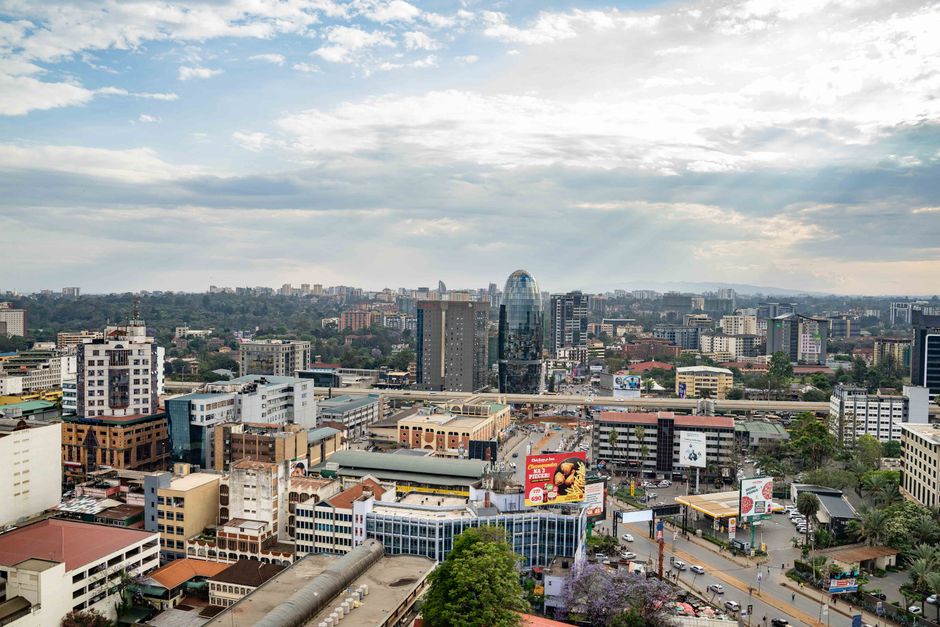
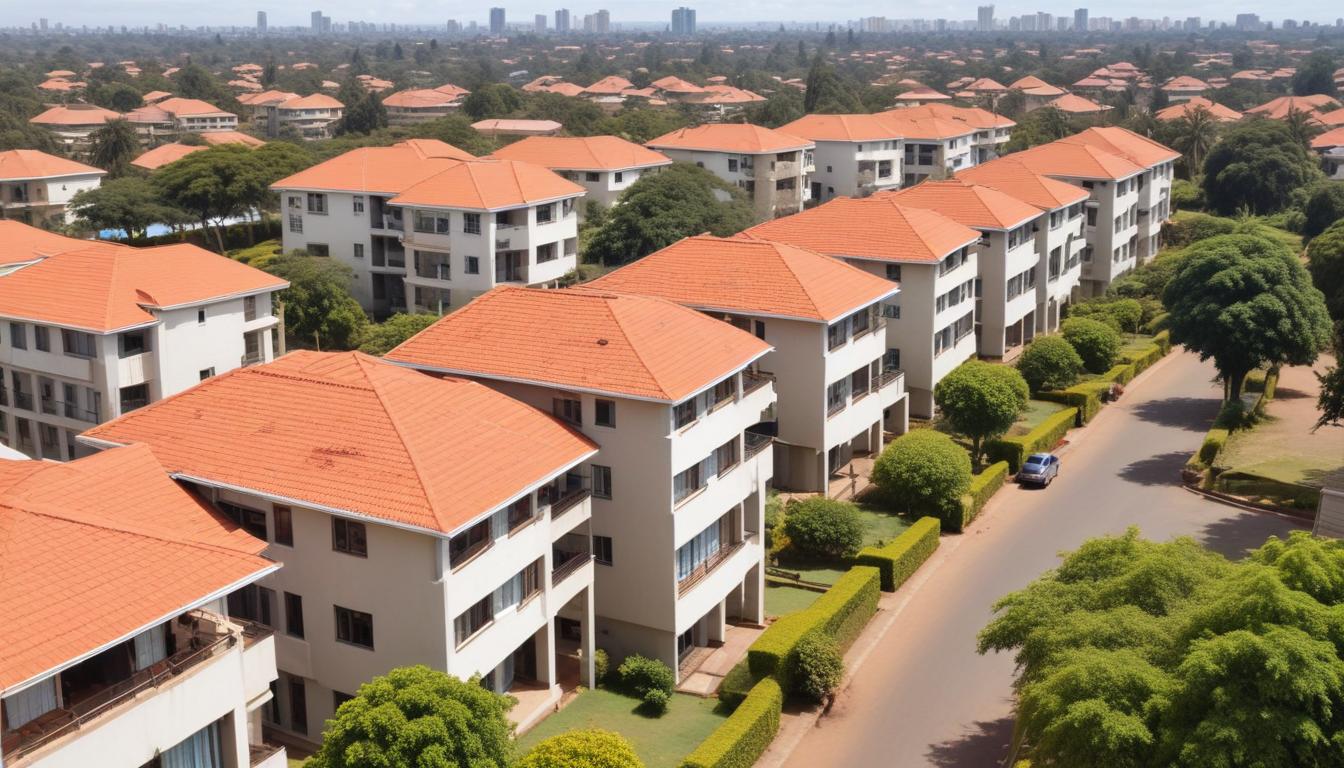
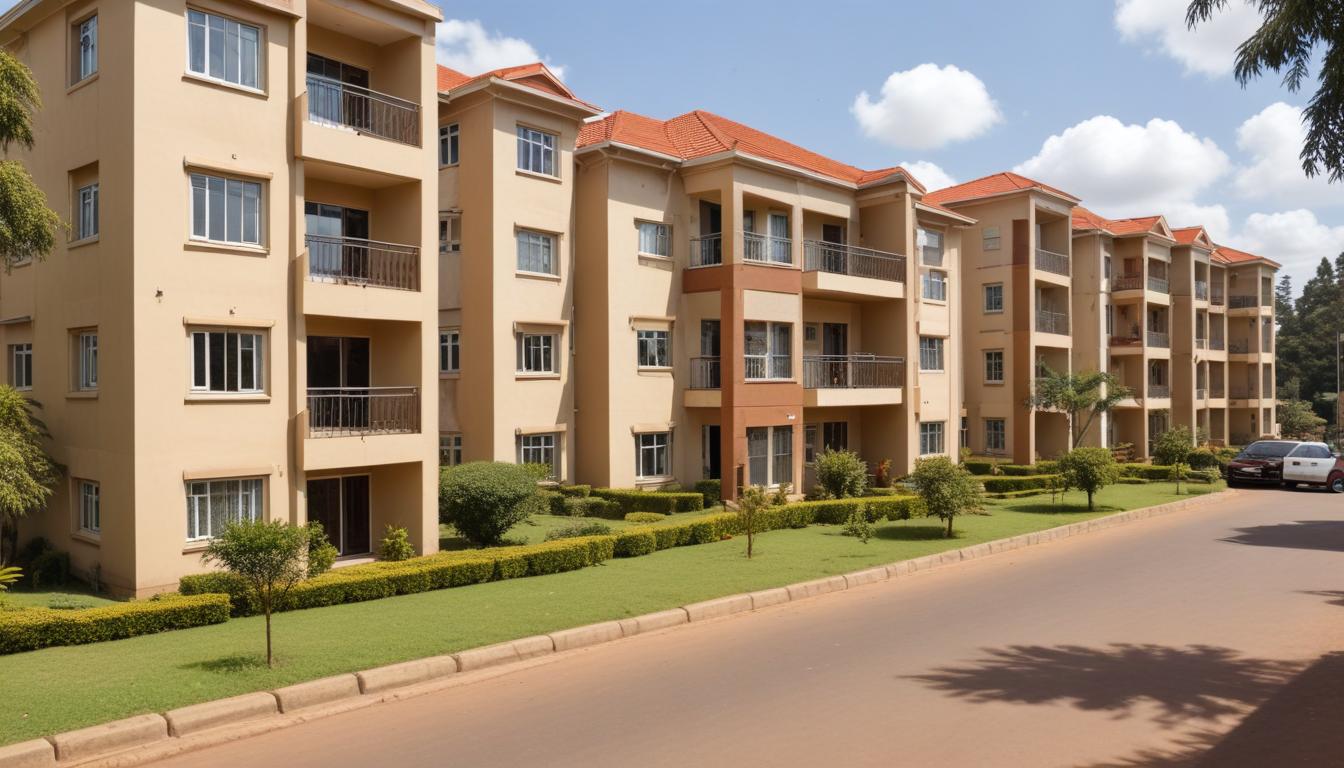
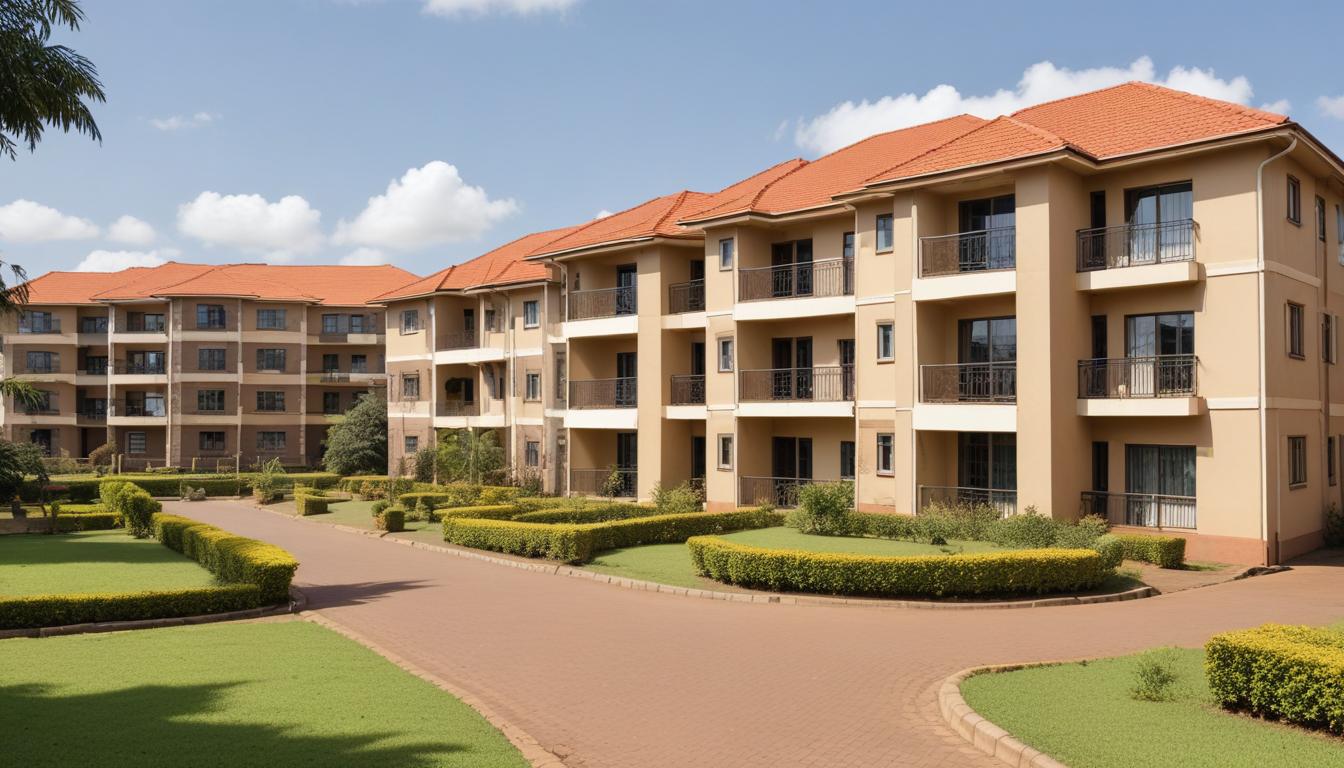
The rental market in Nairobi is experiencing unprecedented strain. Across neighbourhoods from Kilimani to Westlands, the gap between property acquisition costs and rental yields is creating a perfect storm for both landlords and tenants navigating an increasingly fractured housing landscape.
Property prices in premium areas like Lavington and Westlands now regularly exceed KES 30 million, yet average monthly rents in these zones hover around KES 150,000 to 250,000—a yield that leaves many property owners struggling to service mortgages and maintenance costs. This mismatch is fundamentally reshaping investment strategies. Some landlords are converting single rental units into multiple subdivisions; others are holding properties vacant, betting on capital appreciation rather than rental income. The consequences ripple through the broader market.
For tenants, the pressure manifests differently. In growth corridors like Ruaka and Syokimau, where housing developments promised affordability, rents have climbed 18-22% over the past two years as developers and secondary landlords adjust to construction cost inflation. A two-bedroom apartment that rented for KES 35,000 in Syokimau in 2024 now commands KES 42,000 to 45,000. Young professionals and families are being forced further afield—toward Ongata Rongai or Limuru—extending commutes to offices along Mombasa Road and around Nairobi Central Business District.
Middle-income renters in Kileleshwa and Kilimani face a different dilemma. These traditionally stable neighbourhoods have seen landlords raise rents to KES 80,000 to 120,000 for three-bedroom units, pricing out long-term residents. Property owners cite rising property tax assessments, electricity tariffs, and insurance premiums as justification. Meanwhile, tenant turnover is accelerating, creating housing insecurity and reducing neighbourhood cohesion.
The ripple effects extend to service sectors. Staff at restaurants along Westlands' commercial strips and domestic workers serving homes in affluent zones are increasingly unable to afford housing near their workplaces, adding pressure to transport costs and reducing quality of life.
Market observers suggest the challenge lies in misaligned incentives. Development authorities continue zoning for high-end residential construction while demand for affordable housing grows. Without intervention—whether through rent stabilisation policies, tax incentives for affordable rentals, or accelerated approvals for medium-density housing in growth areas—Nairobi risks a bifurcated market where only the wealthy secure housing security, while the broader workforce remains perpetually squeezed.
As June 2026 progresses, both landlords and tenants await policy clarity. The rental market's health will ultimately determine whether Nairobi remains a city where ordinary people can afford to live.
This article was compiled by AI from the sources linked above and screened before publishing. See our editorial standards.