Why Nairobi's Affordable Housing Dream Keeps Getting More Expensive—and What Buyers Must Do Now
Land costs, developer margins, and infrastructure gaps are pushing entry-level prices beyond reach, even as new policy aims to unlock supply.
Land costs, developer margins, and infrastructure gaps are pushing entry-level prices beyond reach, even as new policy aims to unlock supply.
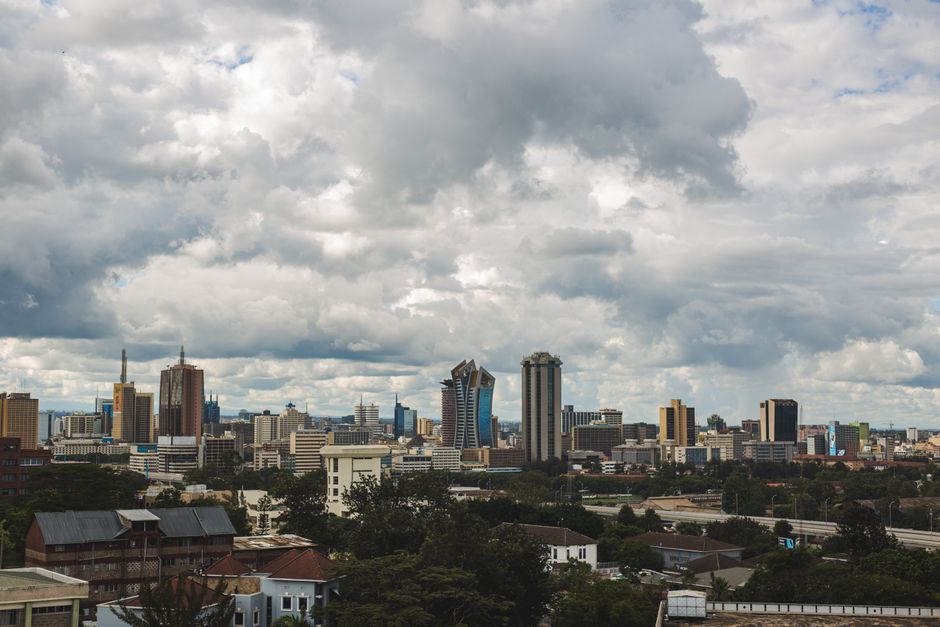
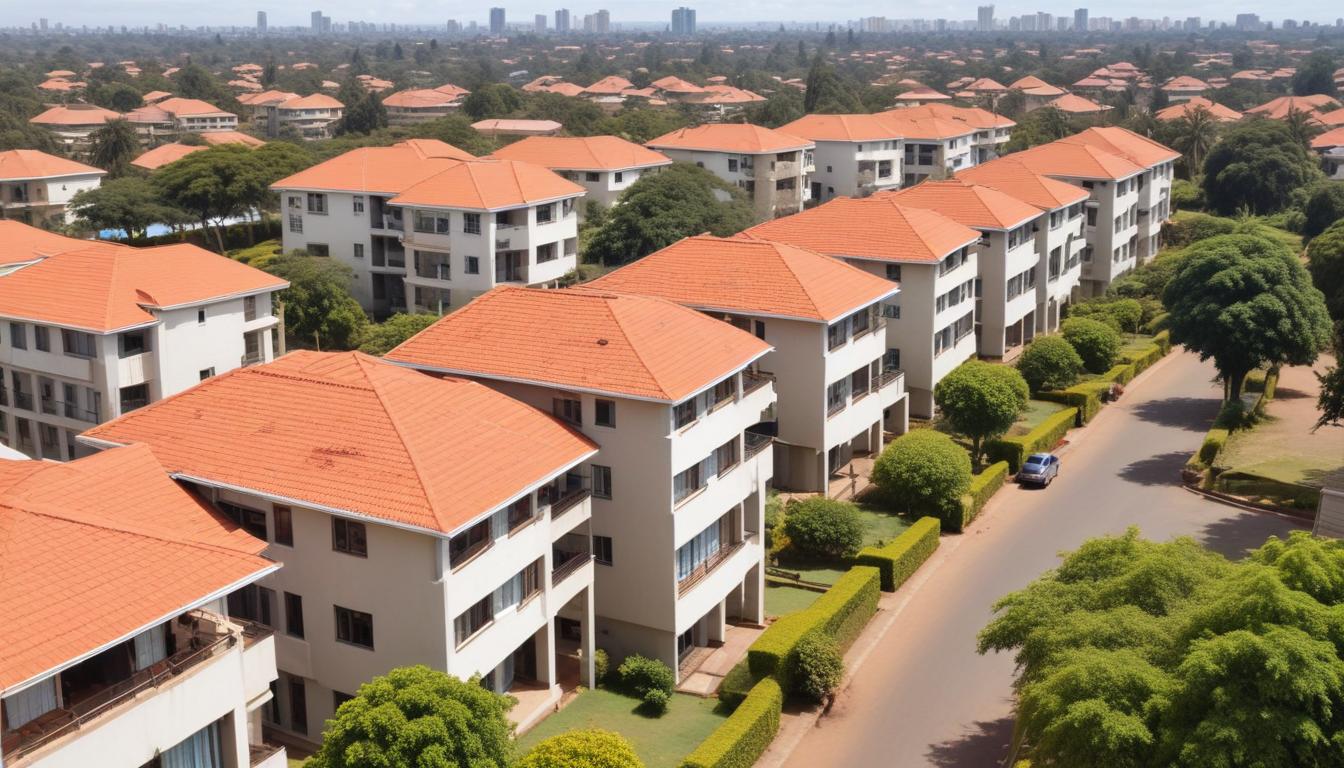
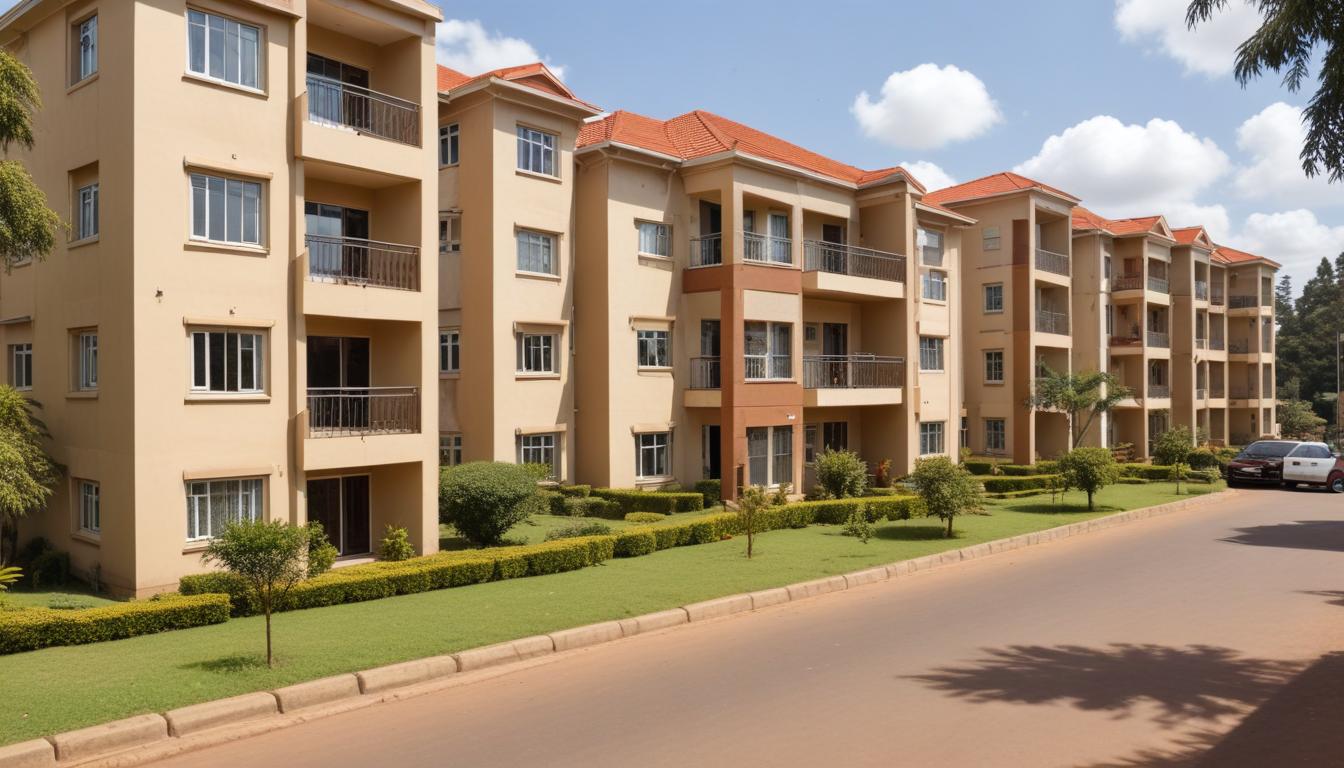
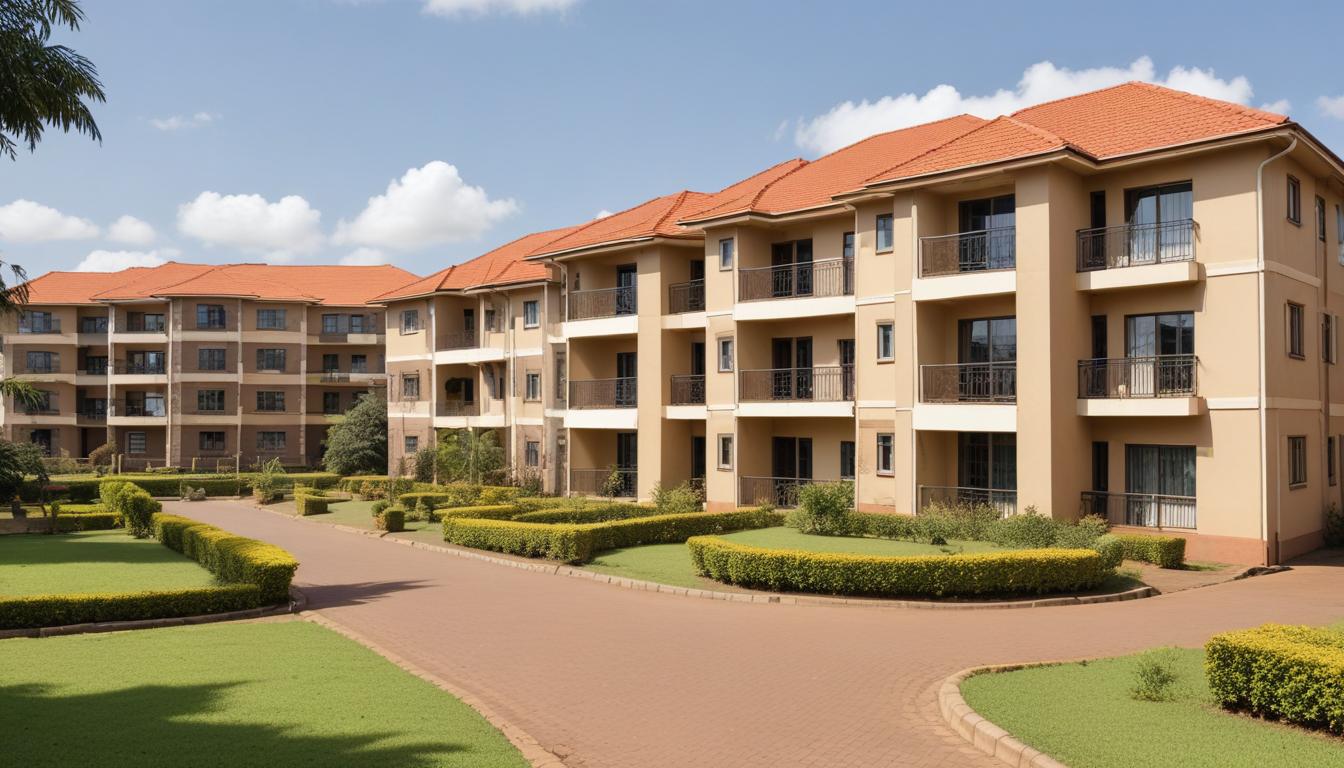
The median residential property in Nairobi sits at approximately KES 15 million, but for first-time buyers in growing suburbs like Ruaka and Syokimau, that figure feels distant. Affordable housing—defined by policy as units under KES 5 million—remains elusive, and prices are climbing faster than incomes can follow.
Three factors are reshaping the market right now. First, land acquisition costs in accessible corridors have surged. A plot in Syokimau, once considered an affordable gateway, now commands KES 2–3 million per quarter-acre, up nearly 40% since 2024. Developers argue they have no choice but to pass these costs to buyers. Second, infrastructure deficits force developers to absorb water, road, and electricity costs upfront—expenses that inflate unit prices by 15–20%. The lack of coordinated planning between Nairobi City County and national housing bodies means private developers shoulder infrastructure burdens meant for public entities. Third, developer margins remain tight but non-negotiable; most affordable projects operate on 12–18% margins, leaving little room for price cuts.
The government's Social Housing Programme, launched under renewed momentum in early 2026, aims to release up to 50,000 units over five years, primarily in peripheral zones like Githunguri and areas along the Southern Bypass. However, critics note delays in land identification and financing mechanisms. The National Housing Corporation's recent moves to fast-track projects in Nairobi's eastern expansion corridors signal intent, but delivery timelines remain uncertain.
What should buyers know now? First, speed matters—pre-sales in emerging schemes like those in Ruaka and Syokimau are moving quickly, with deposits locking in current prices before the next phase of inflation. Second, proximity to transport networks adds premium; units near bus termini or planned Nairobi Expressway exits command 20–30% higher prices than those three kilometres inland. Third, verify developer track records through the Kenya Property Developers Association and check project registrations with Nairobi County; incomplete documentation is a red flag.
For those priced out of Westlands or Lavington, the honest calculus is shifting. A modest two-bedroom in Kilimani averages KES 8–12 million; the same specification in Kileleshwa runs KES 6–9 million; and in emerging Syokimau nodes, KES 4–6 million remains possible—but only in early phases. By late 2026, even these figures may inch upward.
The affordable housing crisis isn't solved by policy alone. Buyers must act decisively, research thoroughly, and understand that the entry window is narrowing as infrastructure follows demand into the periphery.
This article was compiled by AI from the sources linked above and screened before publishing. See our editorial standards.
How does this story make you feel?
Spread the word
About this article
Published by The Daily Nairobi
Daily brief
Free, in your inbox before 7am. Weekdays.
More in Property