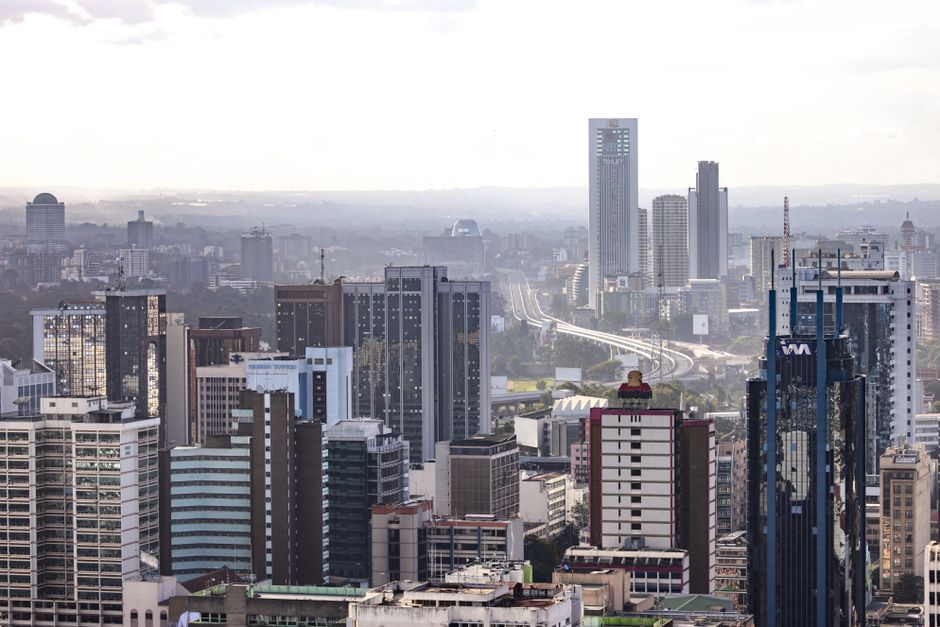
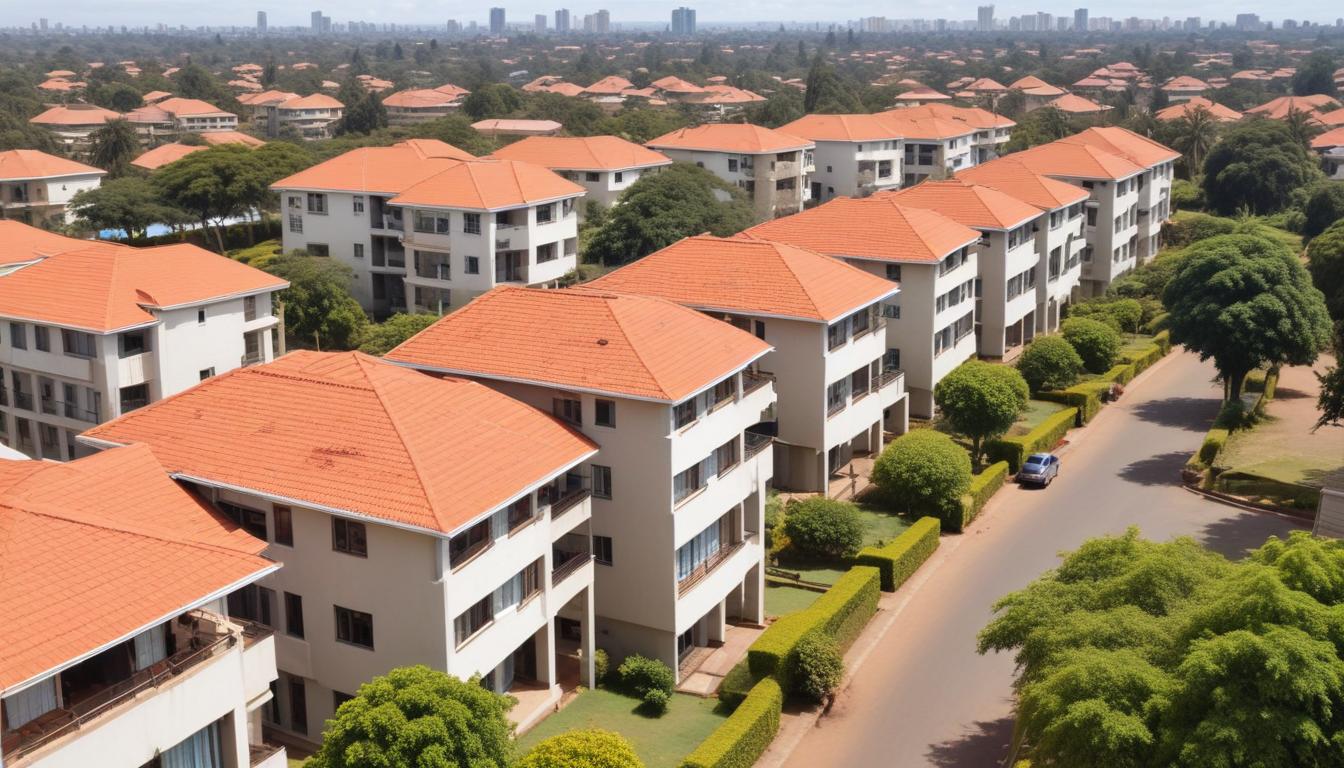
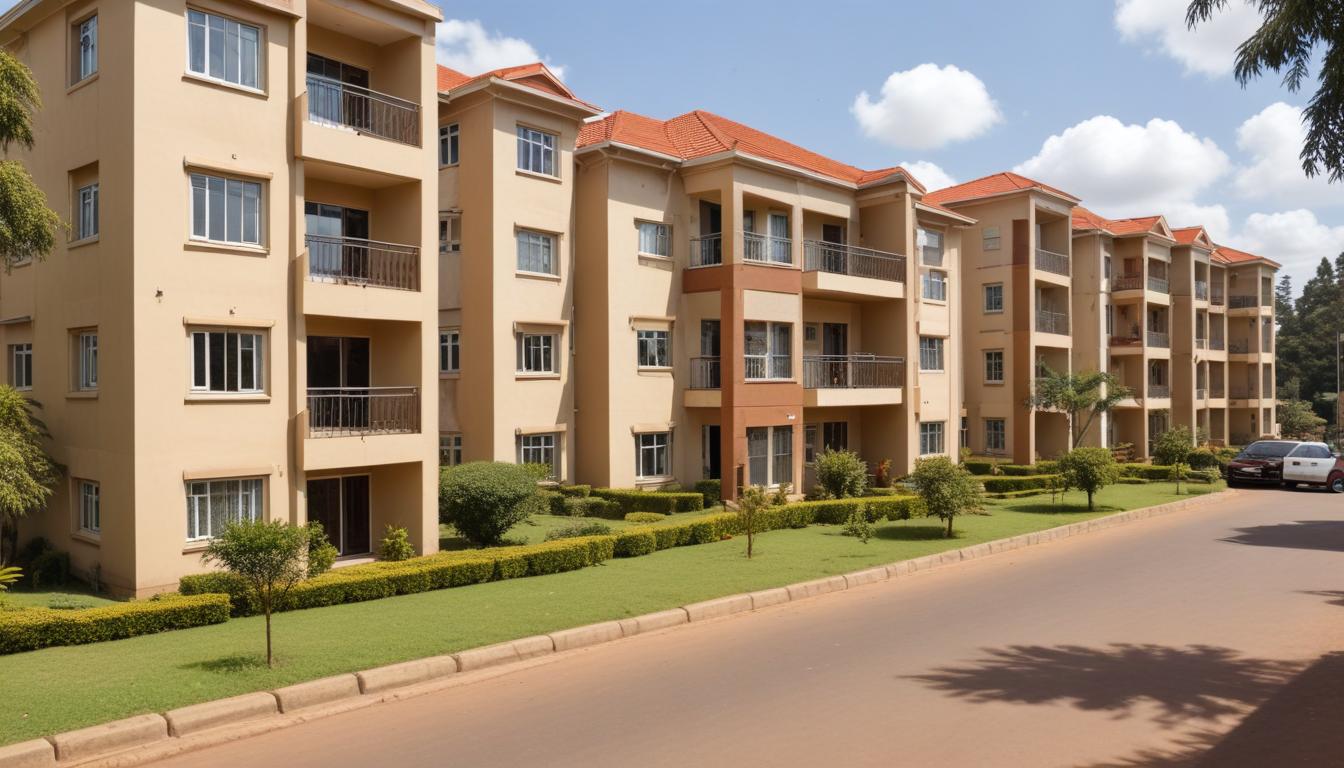
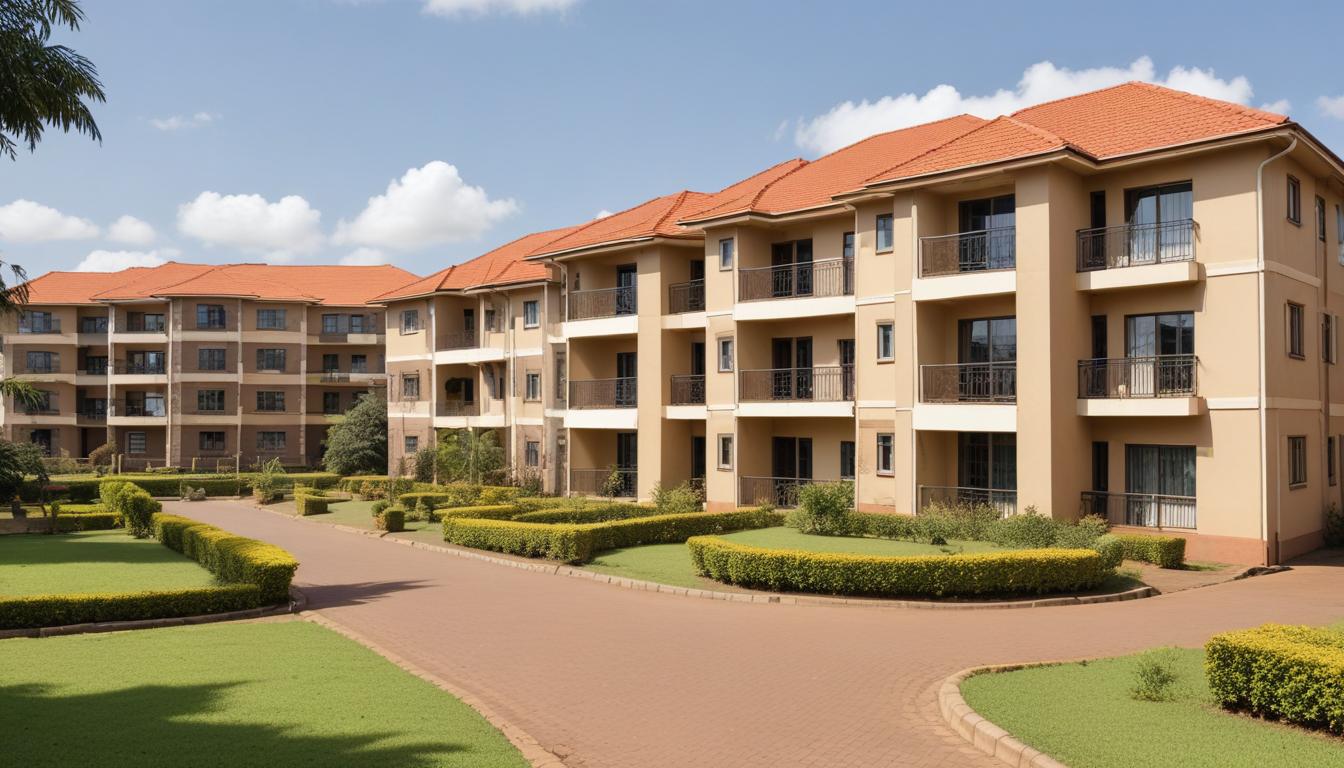
Kileleshwa has long occupied a peculiar position in Nairobi's property hierarchy—close enough to the CBD for convenience, yet far enough to maintain the leafy, residential character that draws young professionals and established families alike. That balance is shifting as cranes begin dotting the skyline along Kileleshwa Drive and the surrounding residential pockets.
Three significant mixed-use developments now under construction promise to transform the neighbourhood's character fundamentally. The most visible is a 15-storey residential-retail complex near the junction with Gitanga Road, featuring 240 units ranging from studios to three-bedroom apartments, alongside ground-floor commercial space. Two additional projects—a 12-storey office-and-residential hybrid and a hospitality-focused mixed-use development—are in advanced stages of planning, with groundbreaking expected within the next quarter.
Current asking prices in Kileleshwa hover around KES 18–22 million for a three-bedroom apartment, well above Nairobi's KES 15 million average. But developers argue these new projects will catalyse upward pressure on values, particularly for existing properties positioned as rentals. A completed unit in the first complex is already leasing for KES 180,000–220,000 monthly, suggesting gross rental yields of 10–14 per cent annually—attractive against Nairobi's broader market average of 6–8 per cent.
The transformation carries trade-offs. Residents express concern about traffic congestion on Kileleshwa Drive, already congested during peak hours, and the potential loss of the neighbourhood's quieter character. The Kenya Urban Land Institute estimates that mixed-use developments of this scale typically increase localized traffic by 25–35 per cent during construction phases.
However, improved infrastructure often follows major development. The Nairobi City County has indicated that upgraded drainage and road-widening projects along Kileleshwa Drive will coincide with the developments, partly funded through developer contributions. Proximity to Prestige Plaza and Westgate Mall means commercial amenities are already embedded in the neighbourhood's fabric.
For investors holding older residential properties in Kileleshwa, the calculus is straightforward: densification typically increases land value, even as rental demand shifts toward modern, service-rich apartments. Savvy buyers are already repositioning, with several garden-view bungalows recently changing hands at KES 25–28 million—prices that reflect anticipated capital appreciation as the neighbourhood matures.
The window for entry-level investment in Kileleshwa is narrowing. Neighbouring growth corridors like Kilimani remain more affordable, but lack the established amenities and transport connectivity that justify Kileleshwa's premium. By 2028, these developments will likely redefine what investors expect from Nairobi's mid-market residential landscape.
This article was compiled by AI from the sources linked above and screened before publishing. See our editorial standards.