What Nairobi's auction results and price data are really signalling about housing affordability
Recent property clearance rates and transaction volumes reveal a market caught between premium demand and middle-income squeeze.
Recent property clearance rates and transaction volumes reveal a market caught between premium demand and middle-income squeeze.
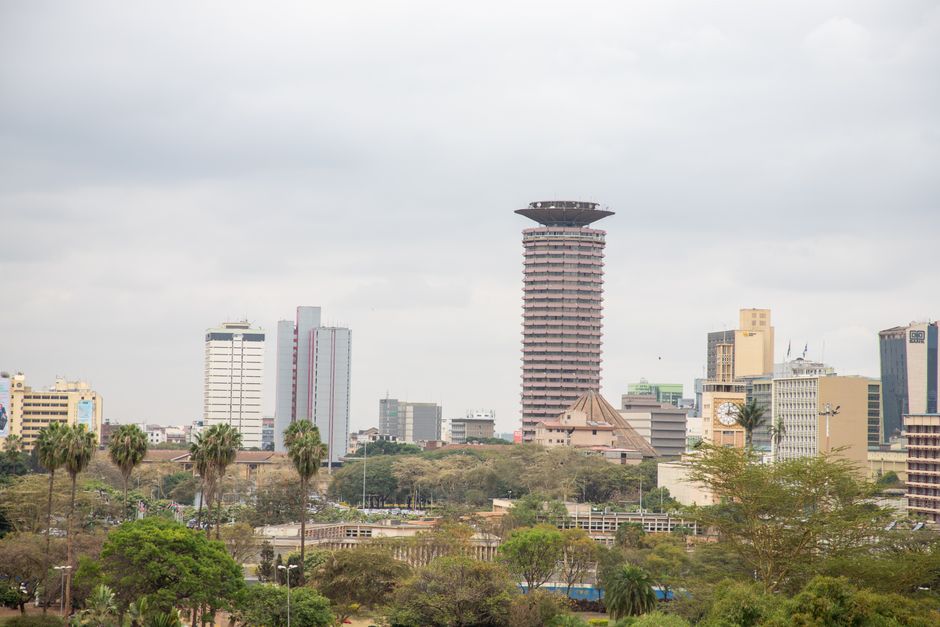
Nairobi's housing market is sending mixed signals. While headline prices remain stubbornly high—with the city average hovering around KES 15 million for a residential property—recent auction data and transaction patterns suggest a market in flux, with affordability pressures intensifying for first-time buyers and middle-income families.
Recent activity at major auction houses tells part of the story. Land parcels in emerging corridors like Ruaka and Syokimau have continued to attract investor interest, with some plots moving despite clearance rates remaining modest by historical standards. Yet in established premium zones—Westlands, Lavington, and the tree-lined avenues of Kilimani—price momentum has plateaued. Properties languishing on listings for 6-12 months have become commonplace, a stark shift from the rapid turnover seen two years ago.
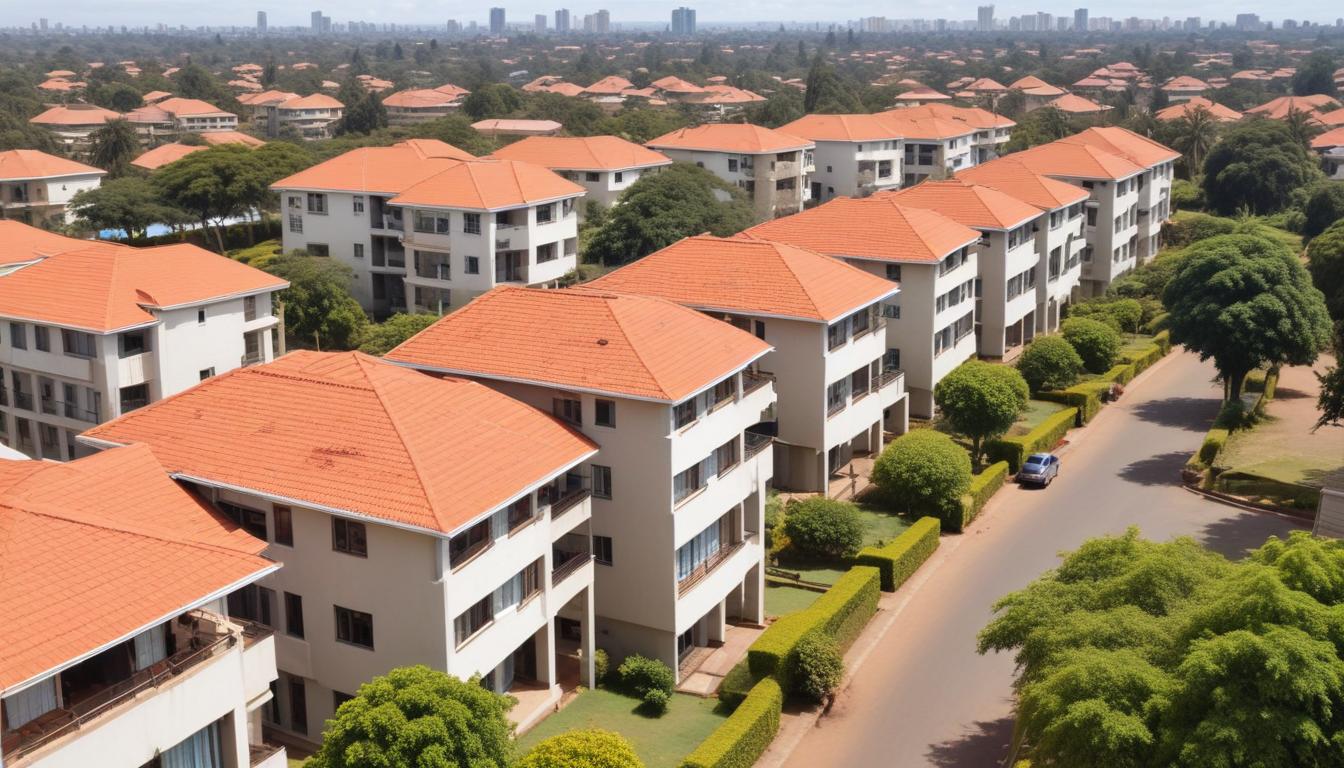
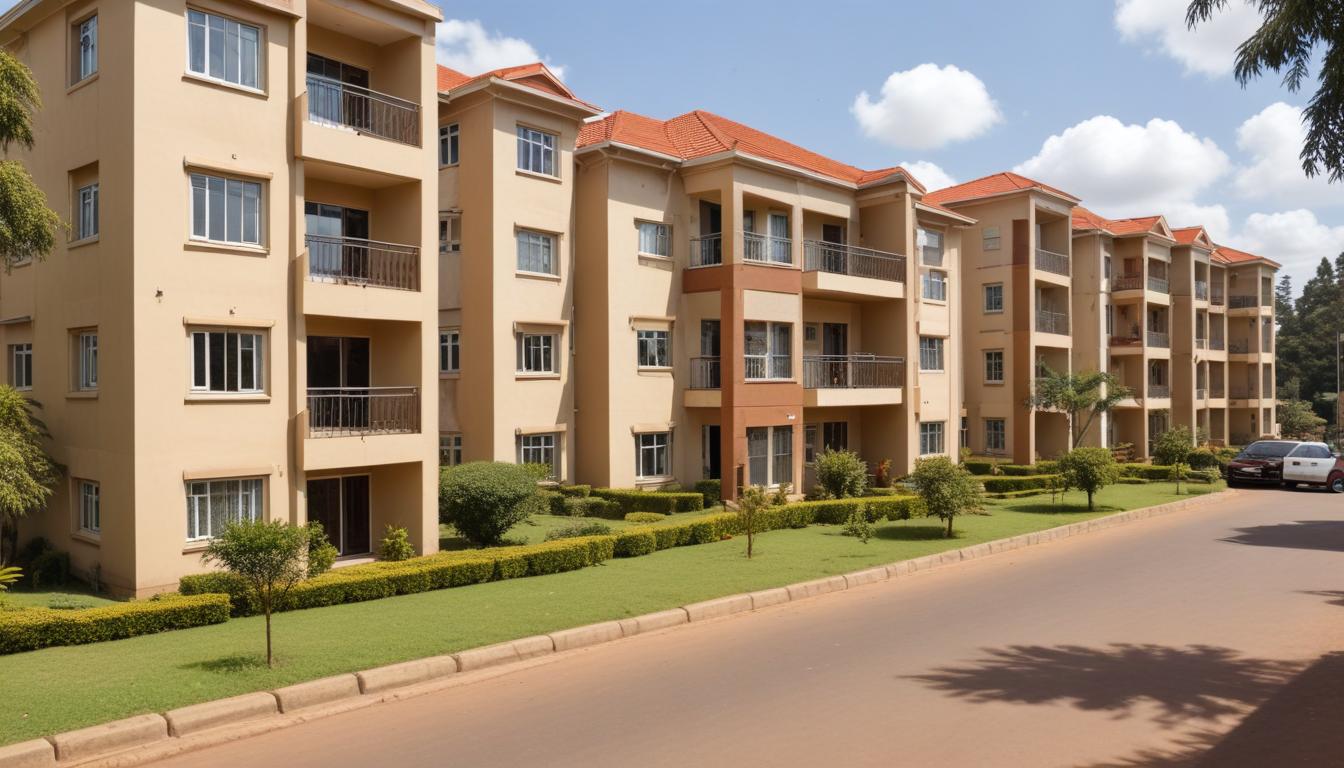
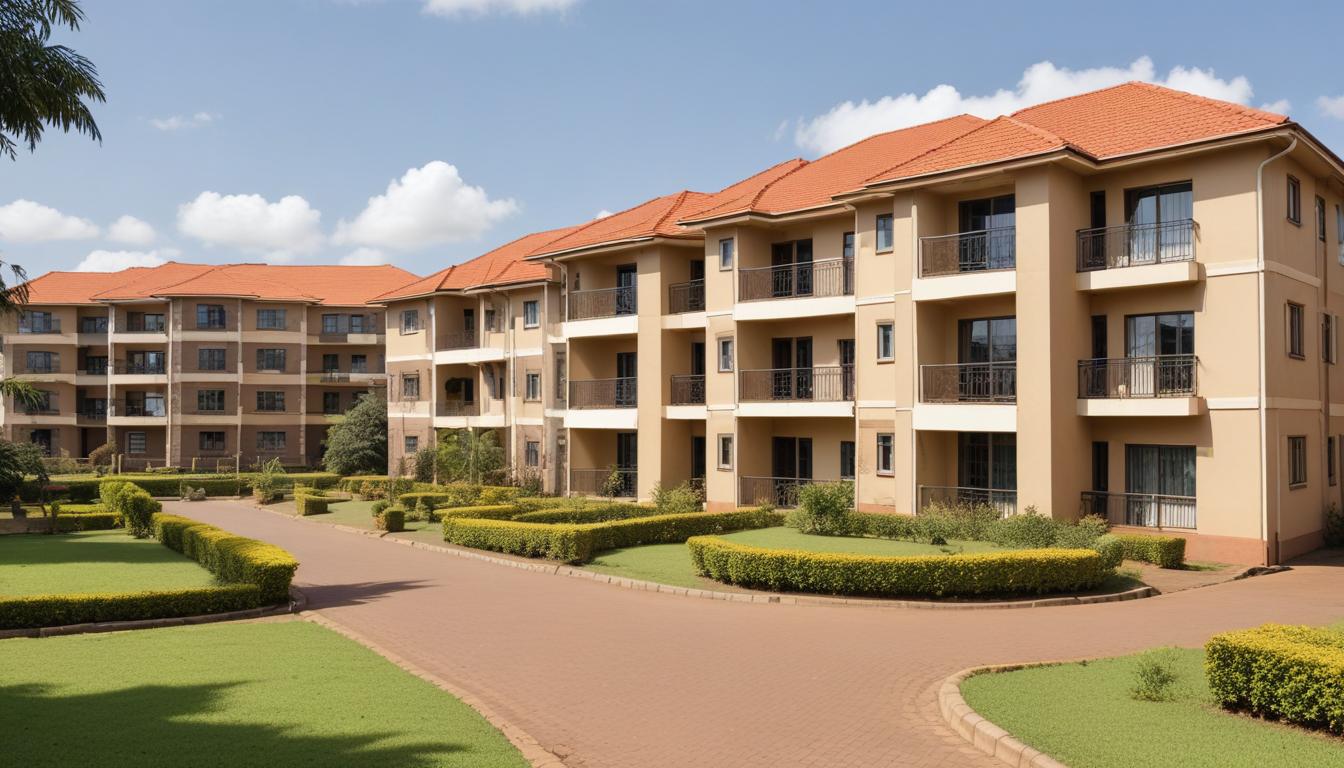
The real pressure point lies in the Kileleshwa-to-Kilimani corridor, where young professionals and growing families traditionally seek entry. Data from property registries shows asking prices in these neighbourhoods have risen 12-18 percent year-on-year, yet actual transaction values lag behind asking prices by 8-15 percent—a widening gap that reflects buyer resistance. The median asking price for a three-bedroom apartment in Kilimani now approaches KES 18-22 million, placing it beyond reach for households earning under KES 500,000 monthly.
Auction clearance rates paint a cautionary picture. Properties that once sold within two to three weeks of listing now take twice as long, particularly in the KES 8-12 million range. This is not a market correction; it is a recalibration. Banks have tightened lending criteria in recent months, and property valuations have grown more conservative. Young families relying on mortgage products from Kenya's major financial institutions face higher down-payment expectations and stricter debt-to-income ratios.
The growth corridors—Ruaka towards Limuru, and the Syokimau axis—are absorbing some of this displaced demand. Raw land there trades at KES 4-7 million per acre, roughly half the cost of developed residential units in central Nairobi. Developers recognise this appetite, and new projects targeting the KES 6-10 million segment are proliferating.
What the data signals is a market bifurcating. Ultramodern penthouses in Westlands and investment-grade portfolios still attract capital. But the aspirational middle market—the cohort that previously anchored Nairobi's property narrative—is being priced out. Unless supply-side reforms accelerate and lending conditions ease, affordability will remain the defining challenge facing the city's housing sector.
This article was compiled by AI from the sources linked above and screened before publishing. See our editorial standards.
How does this story make you feel?
Spread the word
About this article
Published by The Daily Nairobi
Daily brief
Free, in your inbox before 7am. Weekdays.
More in Property