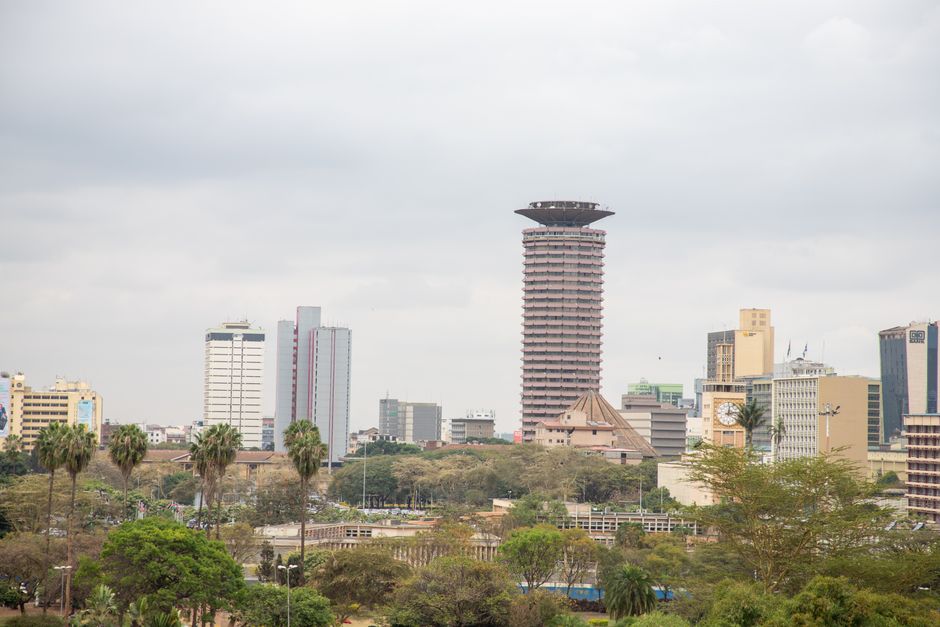
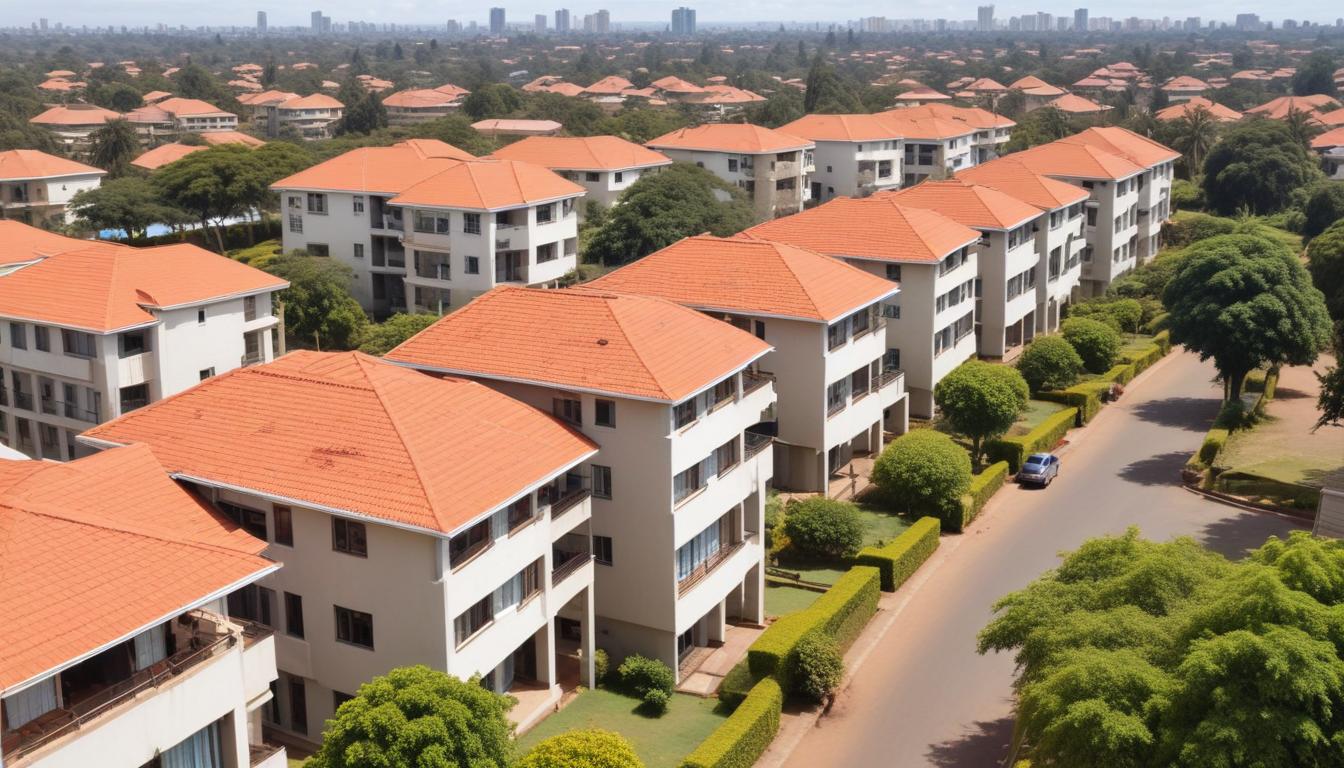
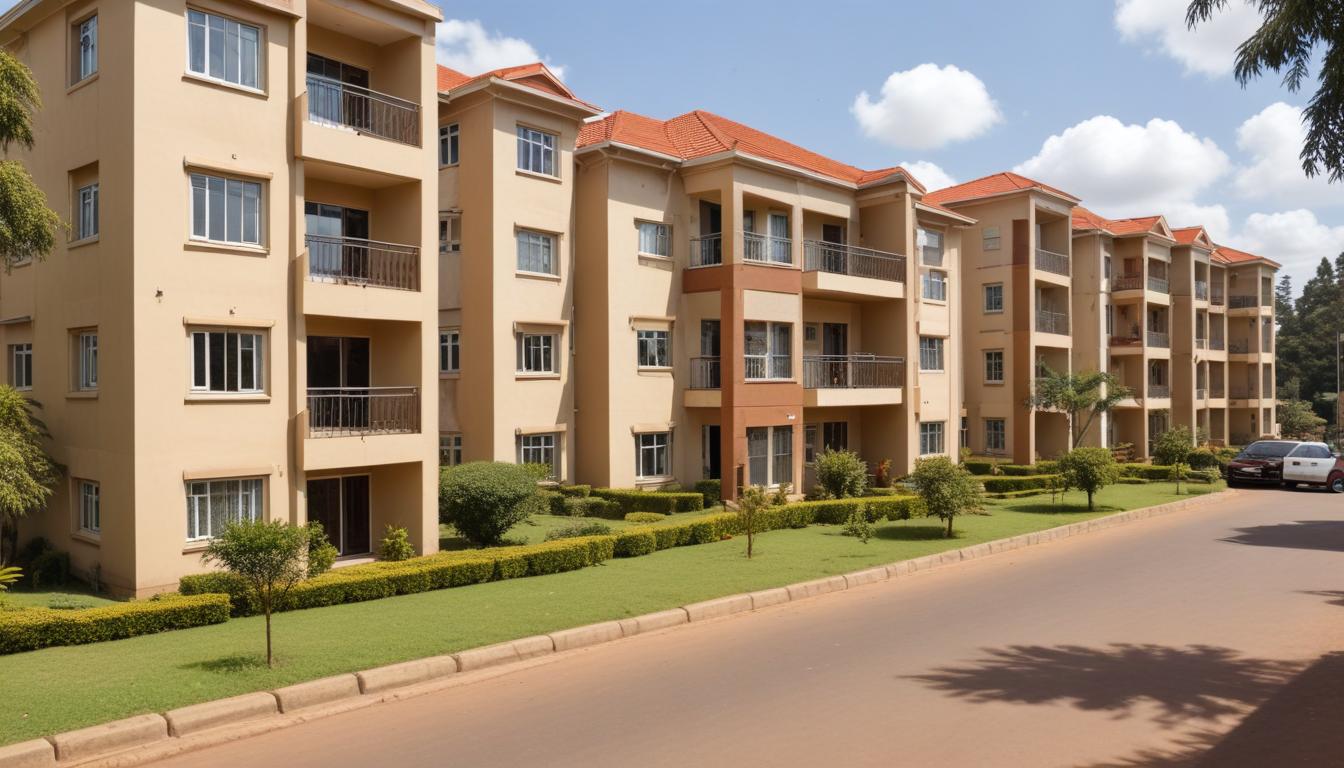
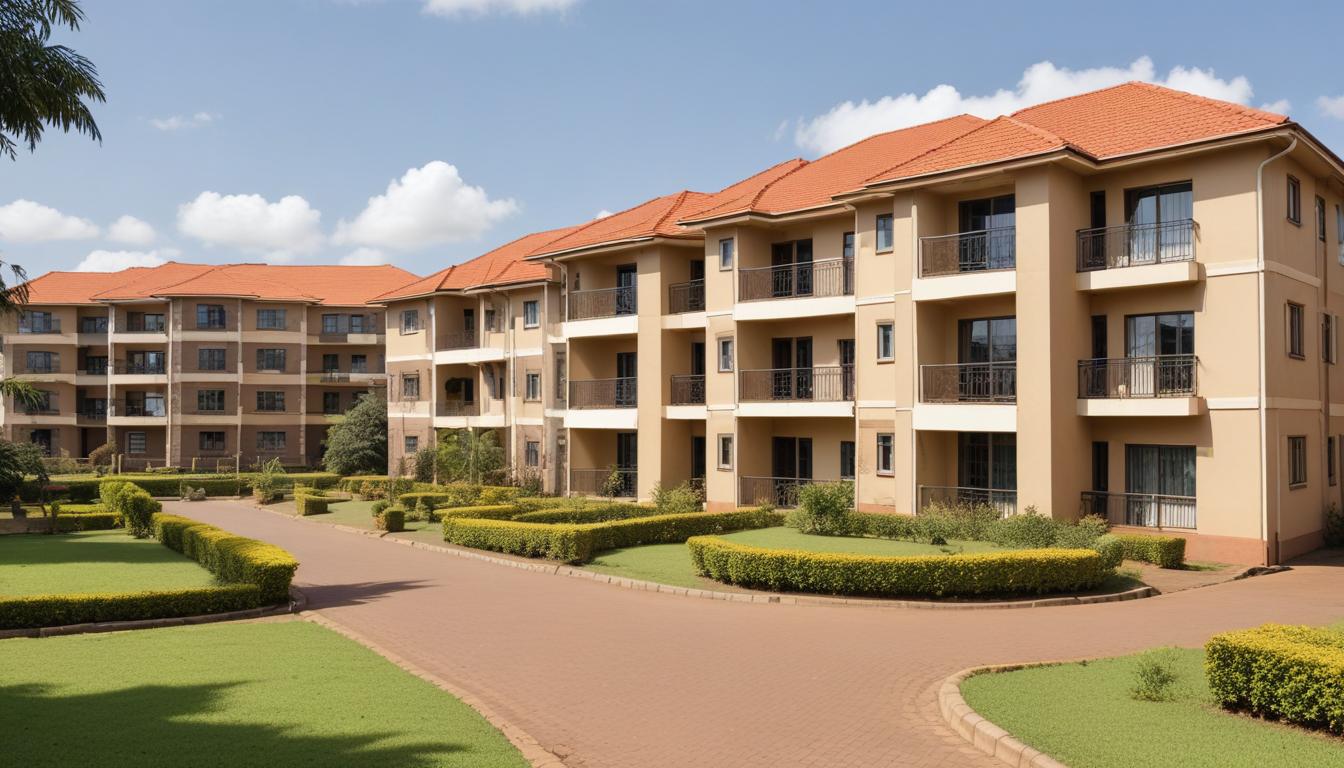
For years, Kilimani languished in the shadow of its glitzier neighbours. While Westlands commanded eye-watering premiums and Lavington remained the preserve of established wealth, this intimate neighbourhood wedged between Kilburn and Ngong Road was dismissed as ordinary. That narrative is shifting fast, and first-time buyers are taking notice.
The numbers tell the story. Average prices in Kilimani hover around KES 12–13 million for a two-bedroom apartment—nearly 15 per cent below the city average of KES 15 million—yet the neighbourhood commands better fundamentals than suburban alternatives like Ruaka or Syokimau. Properties here hold value through proximity to the Central Business District, established retail anchors like the Kilimani Shopping Centre, and reliable road infrastructure via Ngong Road and Links Road.
What's driving the shift is a confluence of policy and market forces. The recent expansion of mortgage-backed securities eligibility and streamlined first-time buyer loan schemes from tier-one banks have lowered entry barriers. A young professional earning KES 400,000 monthly can now credibly access financing for a Kilimani unit, whereas three years ago the same prospect was locked out of anything within the 5-kilometre radius of the CBD.
"Kilimani works because it's neither too central nor too far," explains the logic behind the emerging trend. Properties on Sixth Avenue, Seventh Avenue, and the Kilimani Road corridor now move within 60–90 days of listing—a compression from the six-month timescales common in 2023. Rental yields of 5–6 per cent annually also make the neighbourhood attractive for investor-occupants who plan to let out portions of their purchase or refinance later.
The neighbourhood's infrastructure story matters too. The planned Bus Rapid Transit corridor expansion along Ngong Road, mooted completion in 2027, threatens to ease congestion and unlock further density. Proximity to established institutions—Nairobi Hospital, the Kenya National Library on Maktaba Street, Upperhill's office park—means Kilimani doesn't require the long commutes that plague growth-corridor alternatives.
First-time buyer grants remain thin on the ground; the 'Home for a Home' initiative targets vulnerable families rather than middle-income professionals. However, government backing for affordable housing bonds and the recent regulatory push to cap lending rates have indirectly benefited this segment. A two-bedroom in Kilimani now demands a deposit of KES 2–3 million, compared to KES 4–5 million in Kileleshwa proper.
For agents and lenders monitoring Nairobi's entry-level market, Kilimani's quiet revolution signals a reset: affordability plus connectivity now trumps prestige. Young buyers have voted with their wallets, and the market has listened.
This article was compiled by AI from the sources linked above and screened before publishing. See our editorial standards.