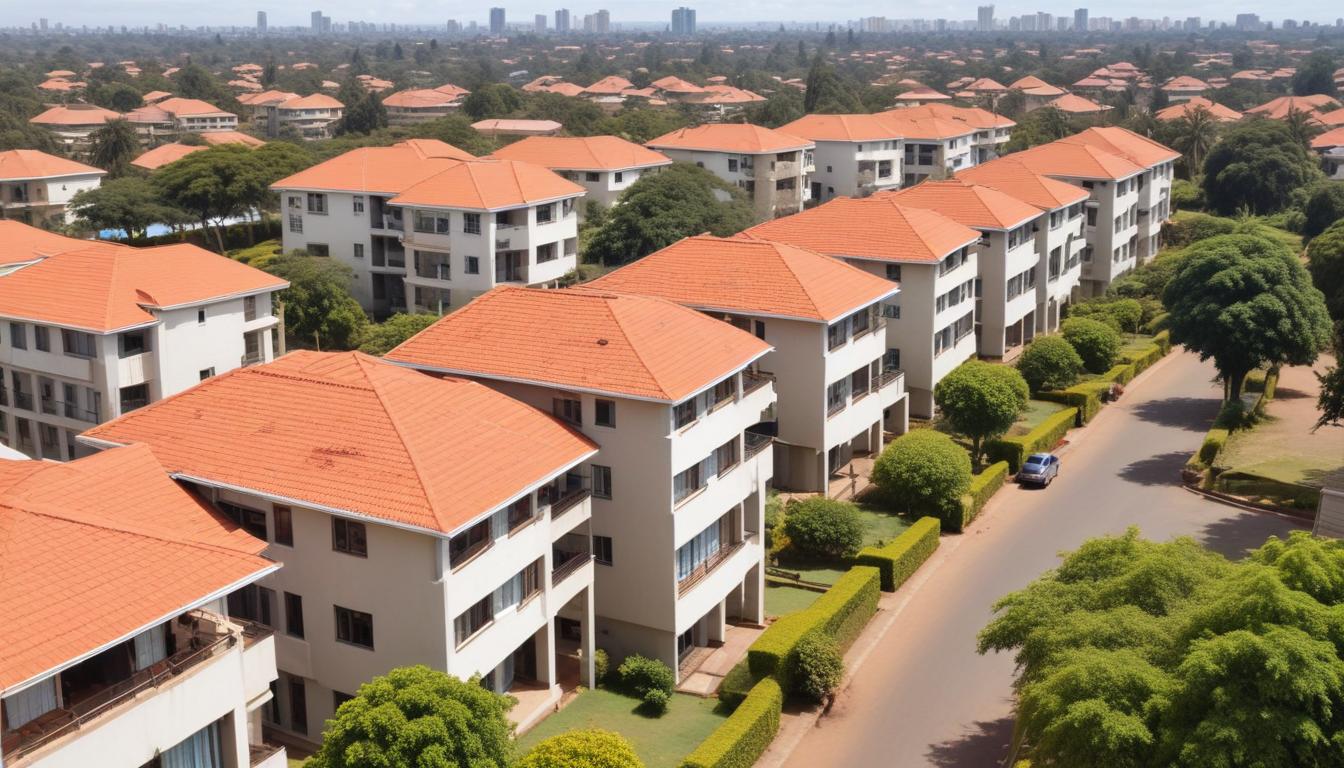
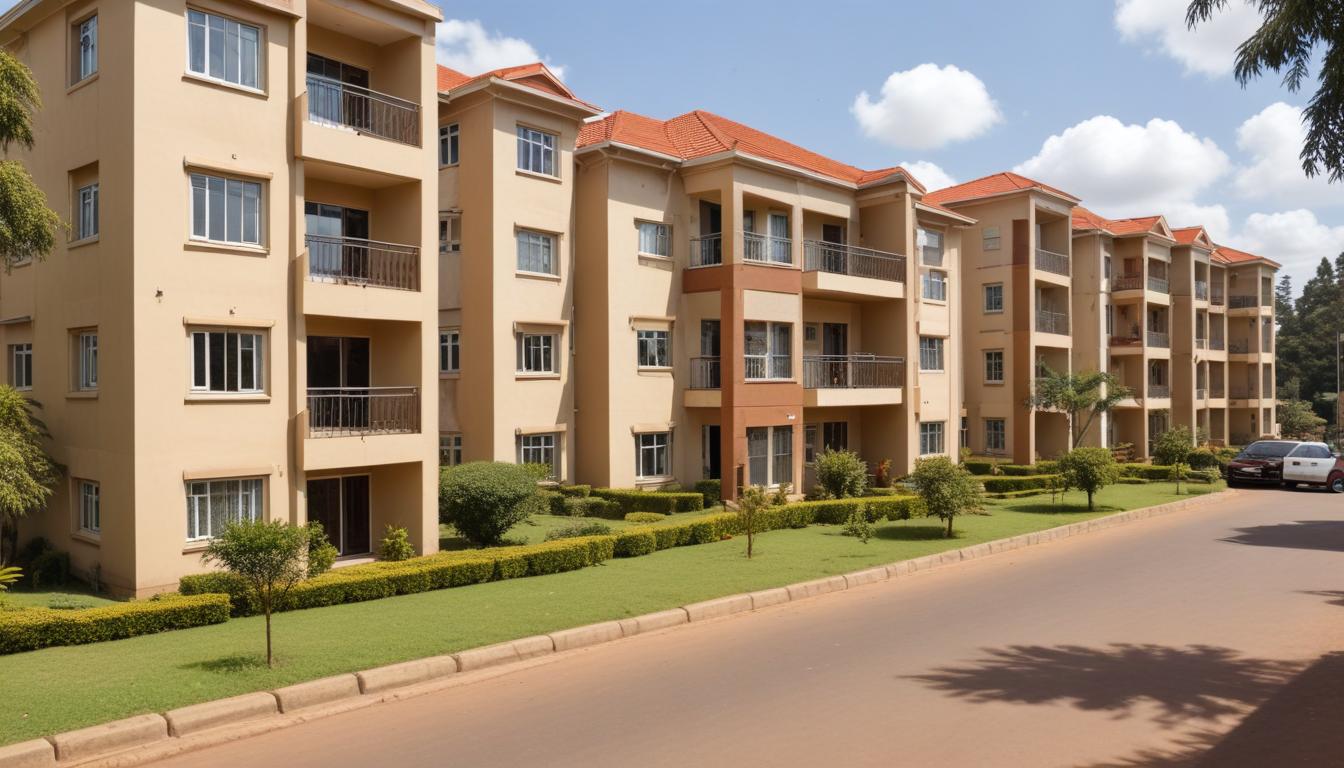
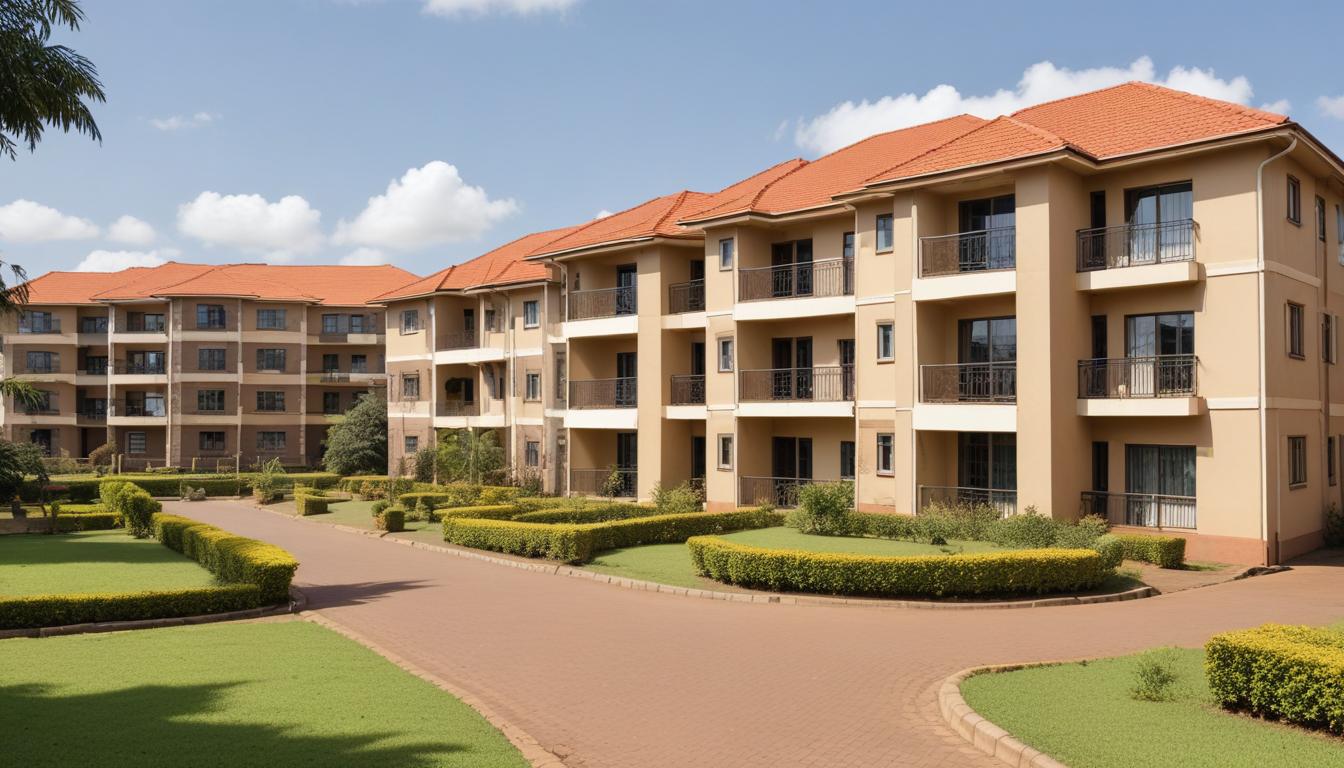
For years, Kileleshwa has been synonymous with stability. Tree-lined avenues, established schools like Hill School and Brookhouse, proximity to the Nairobi Golf Club—the neighbourhood offered the middle-class premium that Nairobi's expanding professional workforce craved. Today, that stability is giving way to transformation, as a cluster of approved mixed-use developments signals a new chapter for one of Nairobi's most sought-after residential zones.
The City County planning office has greenlit three significant projects in the area in the past eighteen months. While specifics remain confidential until public disclosure, industry sources indicate these developments embrace a model increasingly rare in Nairobi: integrated residential, retail, and office space designed for density without sacrificing livability. The shift matters enormously for Kileleshwa's trajectory, where land scarcity and climbing acquisition costs—now averaging KES 2.8M per quarter-acre—have made traditional single-use developments economically unviable.
What does this mean on the ground? First, infrastructure pressure. Kileleshwa's road network, particularly around Limuru Road and the Gitanga Road corridor, was designed for a neighbourhood of 20,000 residents. Current estimates place population closer to 35,000. New approvals will trigger mandatory traffic impact assessments and, developers confirm, contributions toward road widening and stormwater management. The Nairobi Metropolitan Services and County Government have both signalled support for coordinated upgrades.
Second, property values. Neighbouring Kilimani has seen double-digit annual appreciation following comparable mixed-use projects in 2022-2024. Current Kileleshwa residential properties range KES 18M to KES 45M depending on size and finish; informed observers anticipate 8-12% appreciation within 24 months of construction commencement, driven by improved amenities and perceived stability. Investors already positioning themselves in peripheral Kileleshwa segments—near Peponi Road and toward Ruiru—are banking on this spillover effect.
Third, community character questions. Kileleshwa's appeal rests partly on its garden-suburb feel. Ground-floor retail and office components, while economically sensible, will inevitably introduce commercial activity to primarily residential blocks. Existing residents are divided: some welcome enhanced walkability and local services; others worry about parking strain and evening foot traffic.
The approvals also reflect shifting developer confidence in Nairobi's institutional framework. That three major firms pursued complex planning applications—each requiring environmental and traffic clearance—suggests renewed belief that the system works. It's a small but telling indicator of market sentiment in an otherwise volatile climate.
For buyers, the message is clear: Kileleshwa's premium positioning is widening the gap between current owners and future entrants, even as new supply comes online. The area remains a safe long-term hold, but the window for pre-development acquisition at pre-inflation prices is narrowing rapidly.
This article was compiled by AI from the sources linked above and screened before publishing. See our editorial standards.