The path from renter to homeowner in Nairobi has never been steeper. While first-time buyer schemes and mortgage rates have marginally improved, a collapsing rental market is now doing the opposite of what property finance should do: instead of freeing up savings, it's consuming them faster than ever.
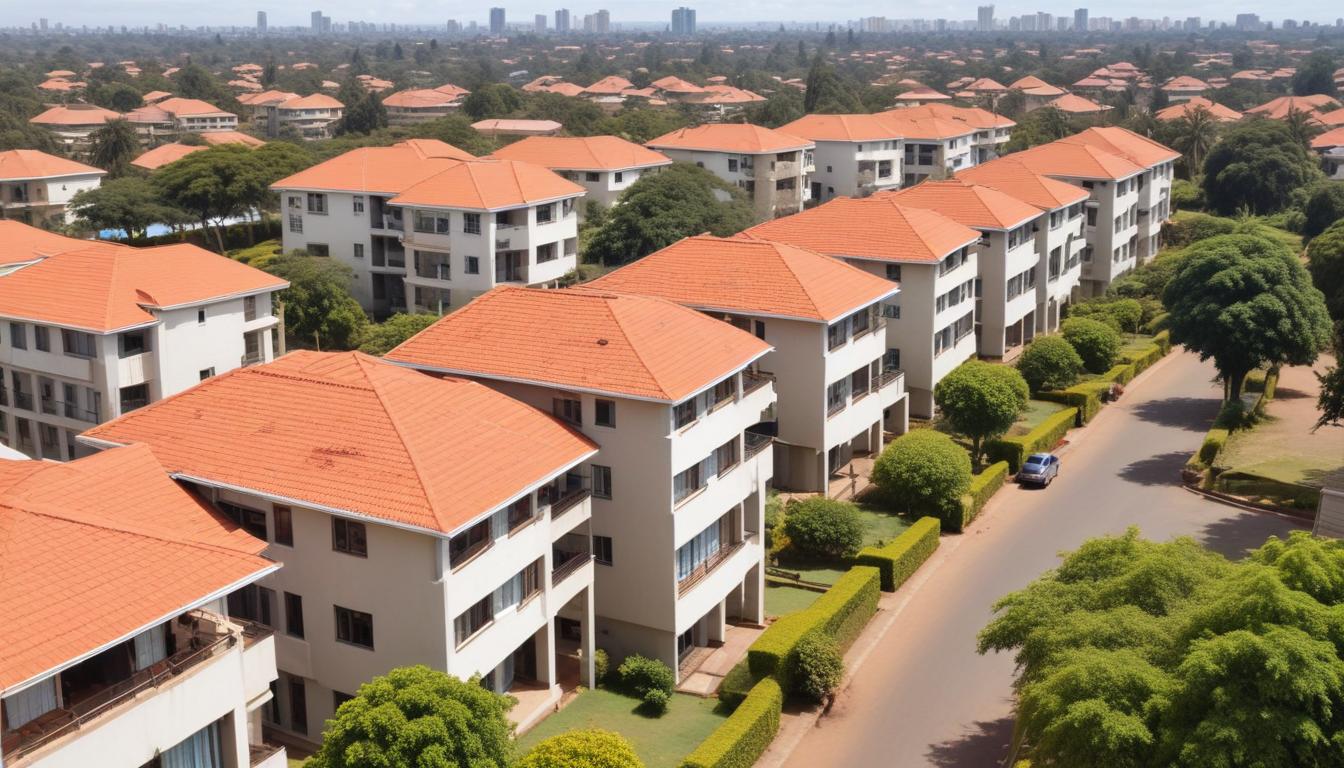
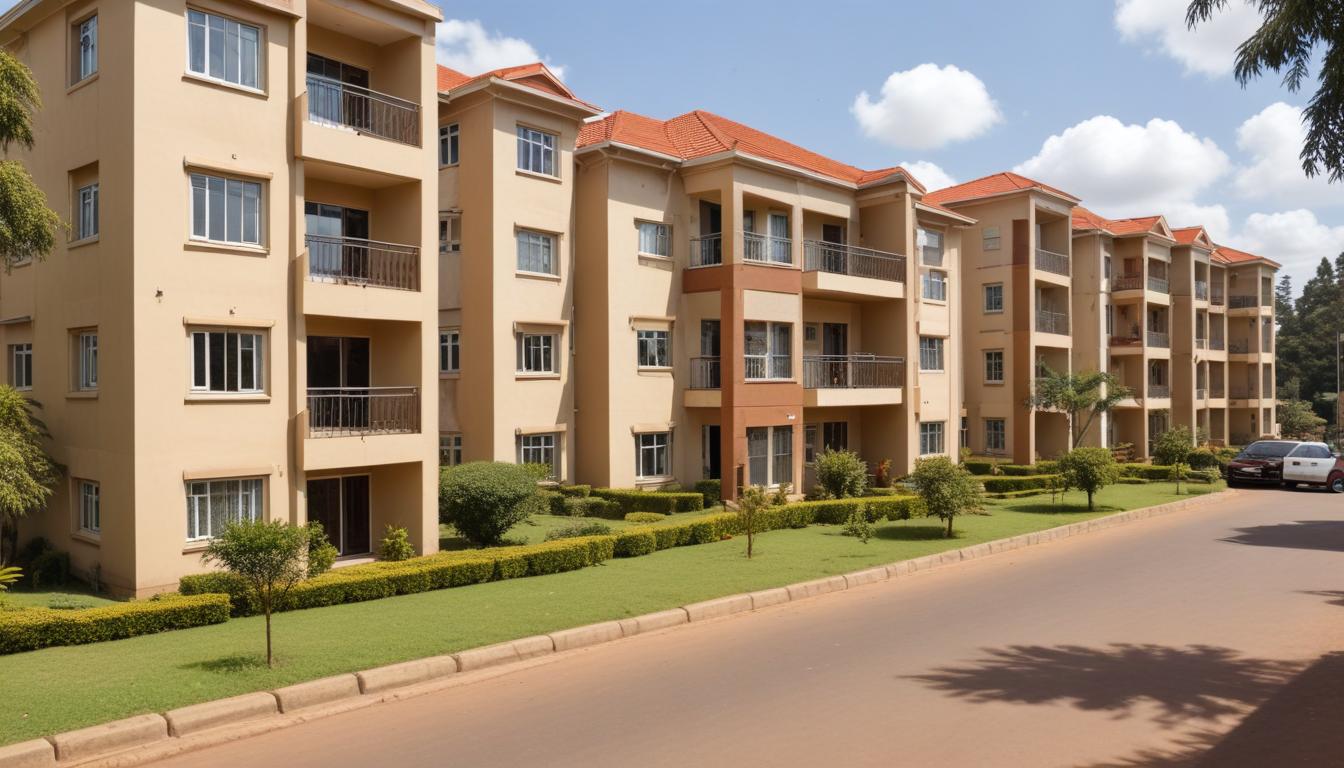
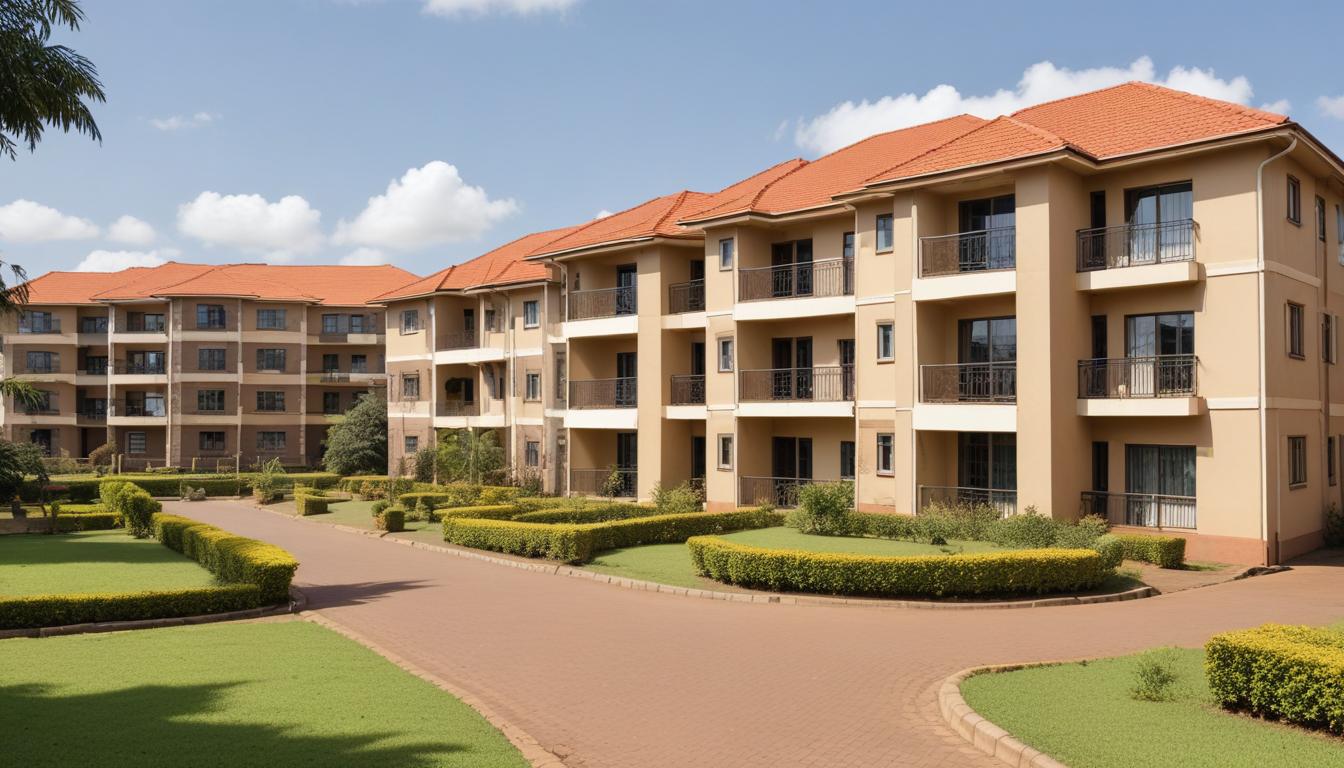
In Kileleshwa and Kilimani—traditionally affordable entry points for young professionals—monthly rents have climbed 18-22% over the past 18 months. A two-bedroom apartment near Sarit Centre, which rented for KES 45,000 in 2024, now demands KES 55,000. Along Forest Road in Westlands, premium one-beds exceed KES 80,000. The culprit isn't scarcity alone. Landlords face mounting pressure: property rates have increased, building compliance with fire safety and electrical regulations costs thousands, and maintenance of aging structures in areas like Nairobi Hill drains reserves rapidly.
"Tenants see only the rent increase," explains a property manager who oversees holdings near the Nairobi Business Park. "They don't see the county levy surge or the cost to upgrade a 15-year-old building's electrical system." Yet this disconnect matters profoundly for first-time buyers.
The typical Nairobi first-time buyer earns around KES 150,000-250,000 monthly and targets a KES 8-12 million property in growth corridors like Ruaka or Syokimau—requiring a 20% deposit (KES 1.6-2.4M) and monthly mortgage payments of KES 35,000-50,000. But if rent consumes KES 55,000, the maths collapse. Savings timelines stretch from five years to eight or nine.
Government initiatives—including the Housing and Urban Development Corporation's first-home buyer grants and Central Bank lending guidelines that improved mortgage accessibility for salaried workers—were designed to bridge this gap. Yet rising rental costs have effectively narrowed that bridge while landlords squeeze harder.
Young renters in Kilimani and Kileleshwa now face a grim choice: remain priced into saving impossibility, or leap directly to property ownership before savings accumulate—forcing them to stretch mortgage ratios or abandon the market entirely.
For landlords operating on thin margins, the rental increase is survival. For tenants, it's the cruelest barrier to ever owning the homes they pay for. Until Nairobi's regulatory framework and property taxation align with actual ownership costs, this tension will only deepen—turning the rental market not into a training ground for ownership, but into a permanent holding pen.
This article was compiled by AI from the sources linked above and screened before publishing. See our editorial standards.