New Planning Rules Reshape Nairobi's Affordable Housing Landscape—But Will They Deliver?
Revised zoning policies and density requirements in Ruaka and Syokimau are already shifting developer focus, yet affordability gaps remain wider than ever.
Revised zoning policies and density requirements in Ruaka and Syokimau are already shifting developer focus, yet affordability gaps remain wider than ever.

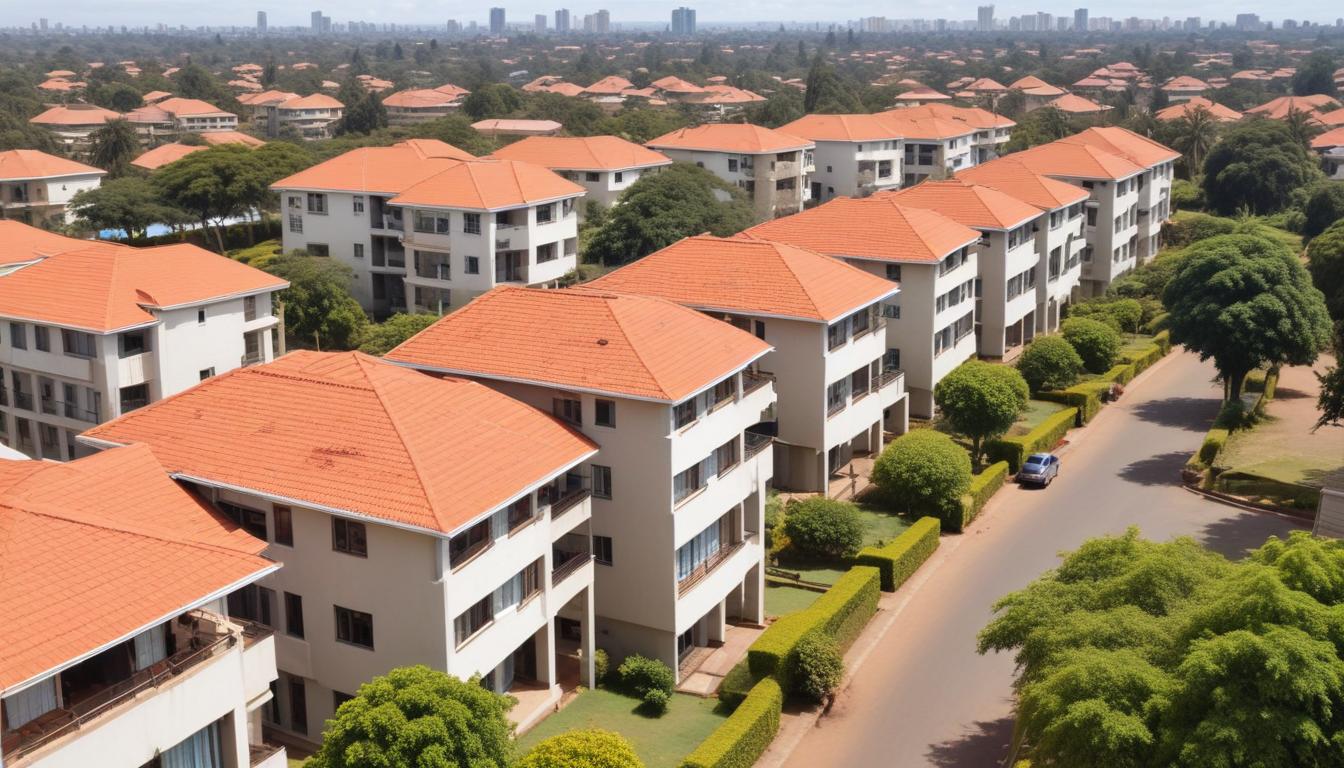
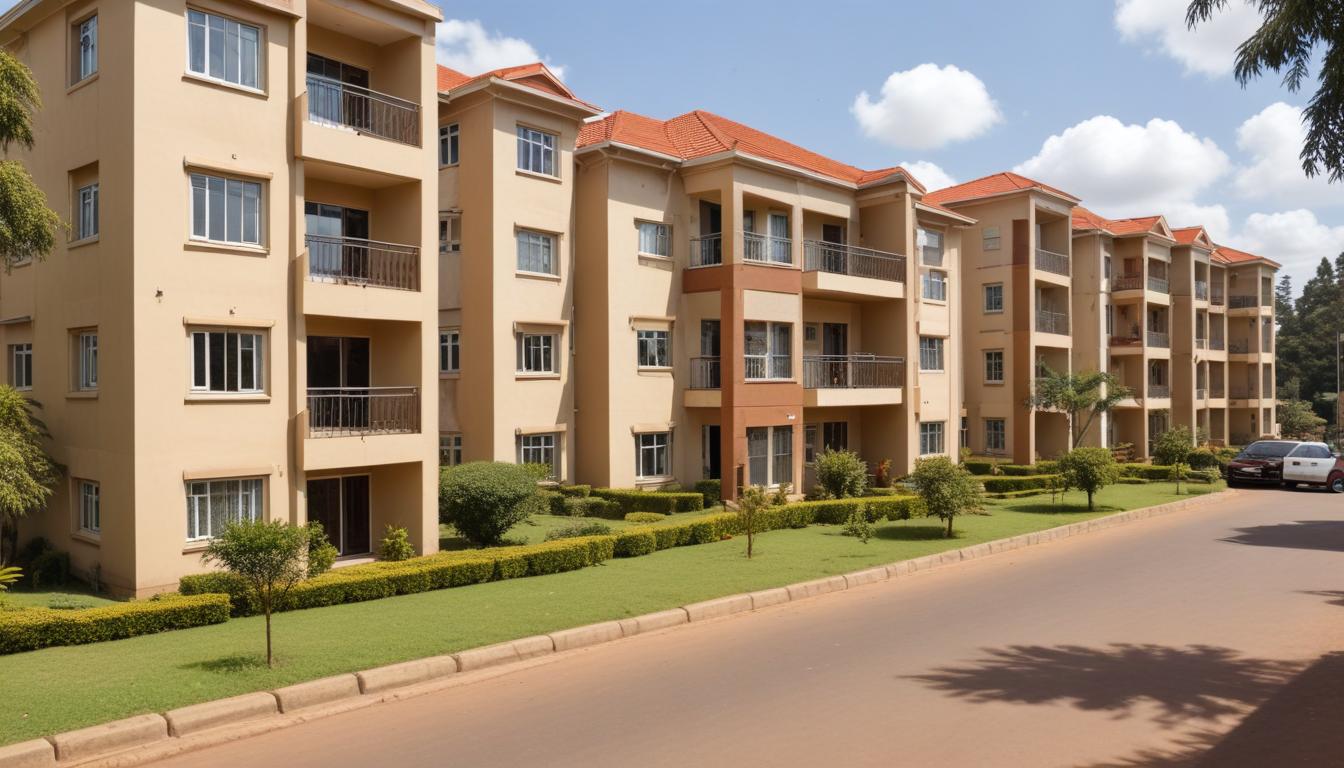
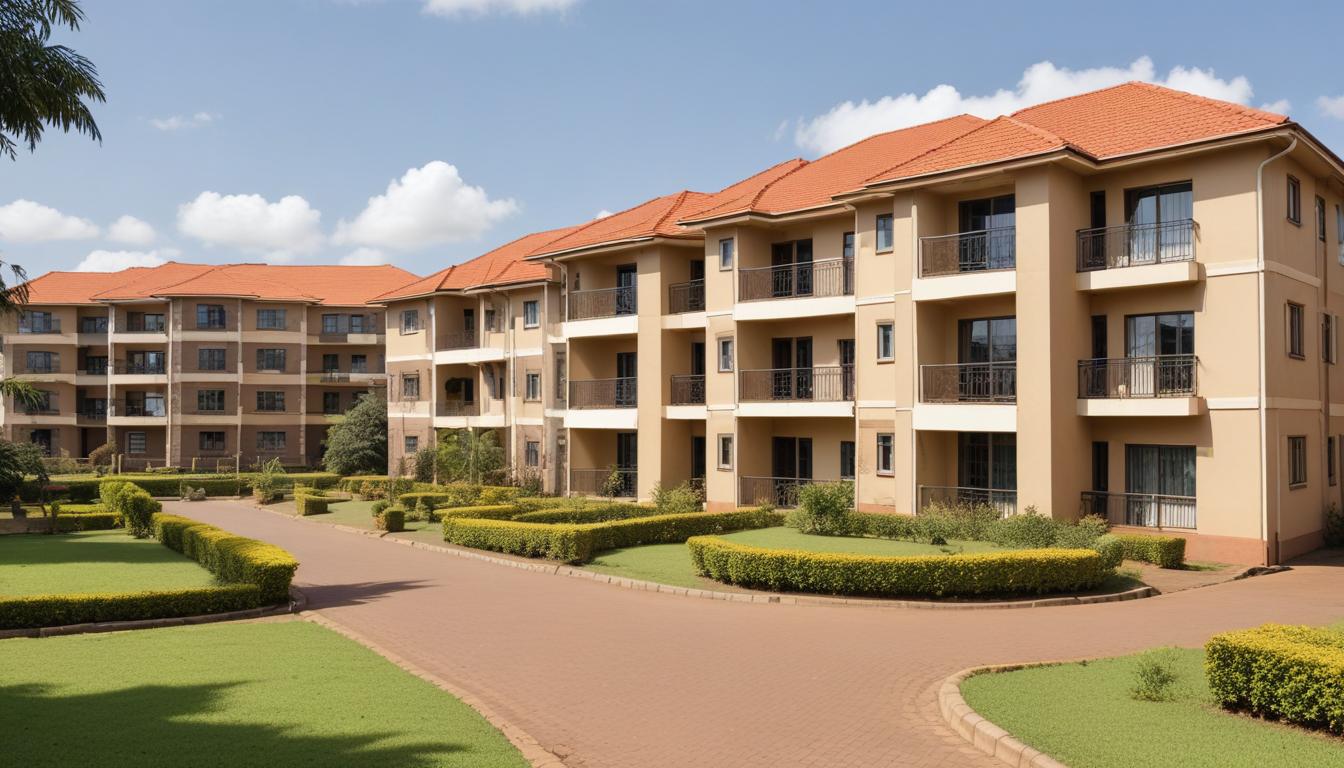
Nairobi's planning authority has quietly recalibrated its approach to residential development, and the ripple effects are already visible across the city's growth corridors. New guidelines requiring 15% affordable units in mixed-income projects—up from the previous 8%—have reset calculations for developers eyeing Ruaka, Syokimau, and the emerging Nairobi County zones beyond the traditional premium enclaves of Westlands and Lavington.
The policy shift, implemented through revised County planning standards in early 2026, signals a decisive pivot toward social housing integration. Yet early market signals suggest the change is more nuanced than headlines suggest. While major firms have begun factoring the mandate into feasibility studies, construction timelines for affordable units have stretched, and cross-subsidy models are being stress-tested against rising material costs and land acquisition expenses.
"The intent is sound," explains one Nairobi-based property analyst, speaking on condition of anonymity. "But a 15% requirement doesn't automatically mean affordability reaches the households earning below KES 100,000 monthly." Entry-level units in Ruaka developments now hover around KES 4–5 million, a modest reduction from pre-policy averages of KES 5.5–6.5 million, yet still beyond reach for majority earners in the city.
The planning changes have also triggered density recalibrations. New guidelines permit higher floor-area ratios in designated nodes along the Nairobi-Kiambu corridor, provided social housing commitments are met. This has energized activity in Syokimau, where land values remain 30–40% lower than Kileleshwa or Kilimani, and where developers see margin potential in volume-driven, mid-income schemes.
County officials have announced a complementary incentive package: accelerated approvals for projects meeting affordability thresholds, and potential relief on development levies. Whether these carrots prove sufficient to close the 400,000-unit deficit Nairobi faces remains an open question. Current trajectory suggests roughly 12,000 affordable units annually—half the estimated need.
The real test comes in execution. Ruaka residents report mixed experiences: some developments have delivered on promises, others have seen affordable unit allocations reduced mid-construction through plan amendments. Transparency in allocation and pricing remains patchy, with few mechanisms ensuring units remain affordable beyond initial sale.
As Nairobi's property market continues its evolution—premium segments remain robust, mid-market dynamics shift with policy, and affordable segments expand cautiously—the success of these planning changes hinges less on ambition and more on consistent enforcement, developer compliance, and whether policy can outpace the city's relentless demand.
This article was compiled by AI from the sources linked above and screened before publishing. See our editorial standards.
How does this story make you feel?
Spread the word
About this article
Published by The Daily Nairobi
Daily brief
Free, in your inbox before 7am. Weekdays.
More in Property