What Nairobi's Luxury Auction Results Are Signalling About the High-End Market
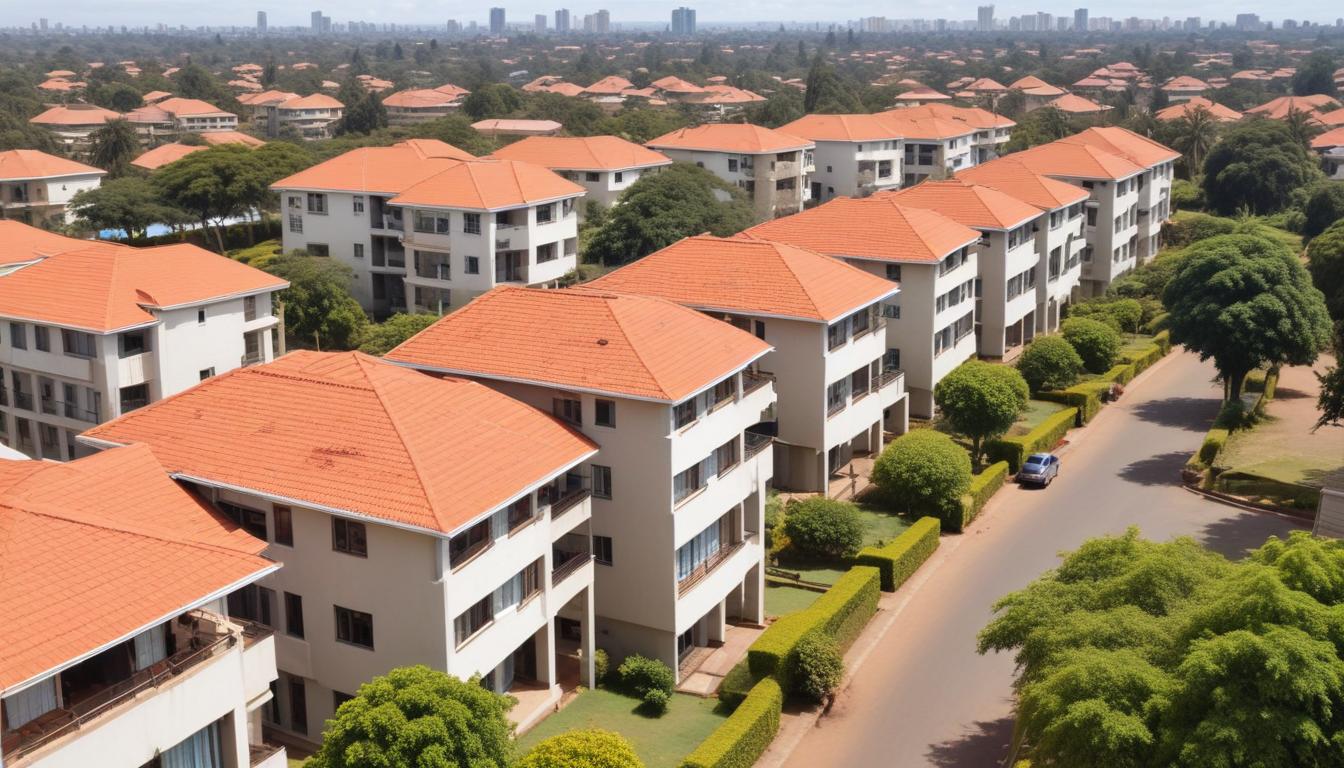
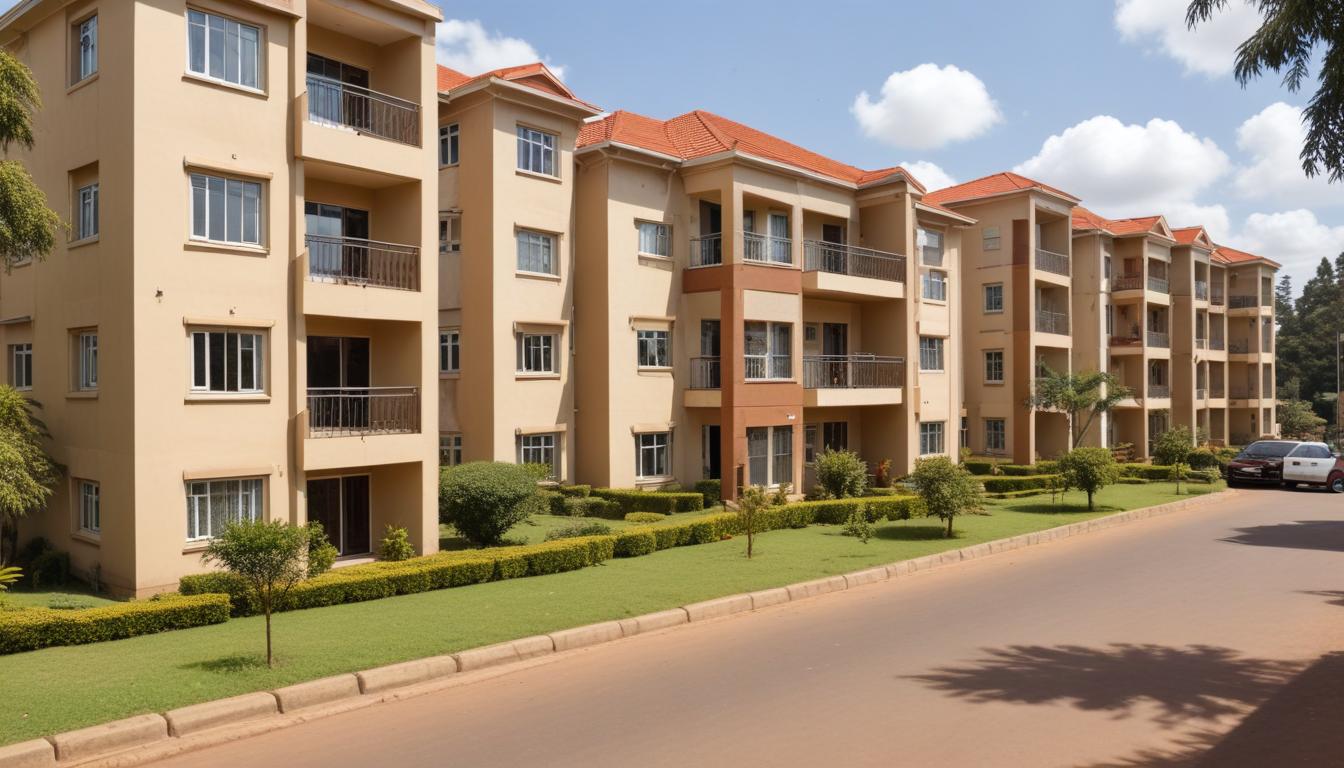
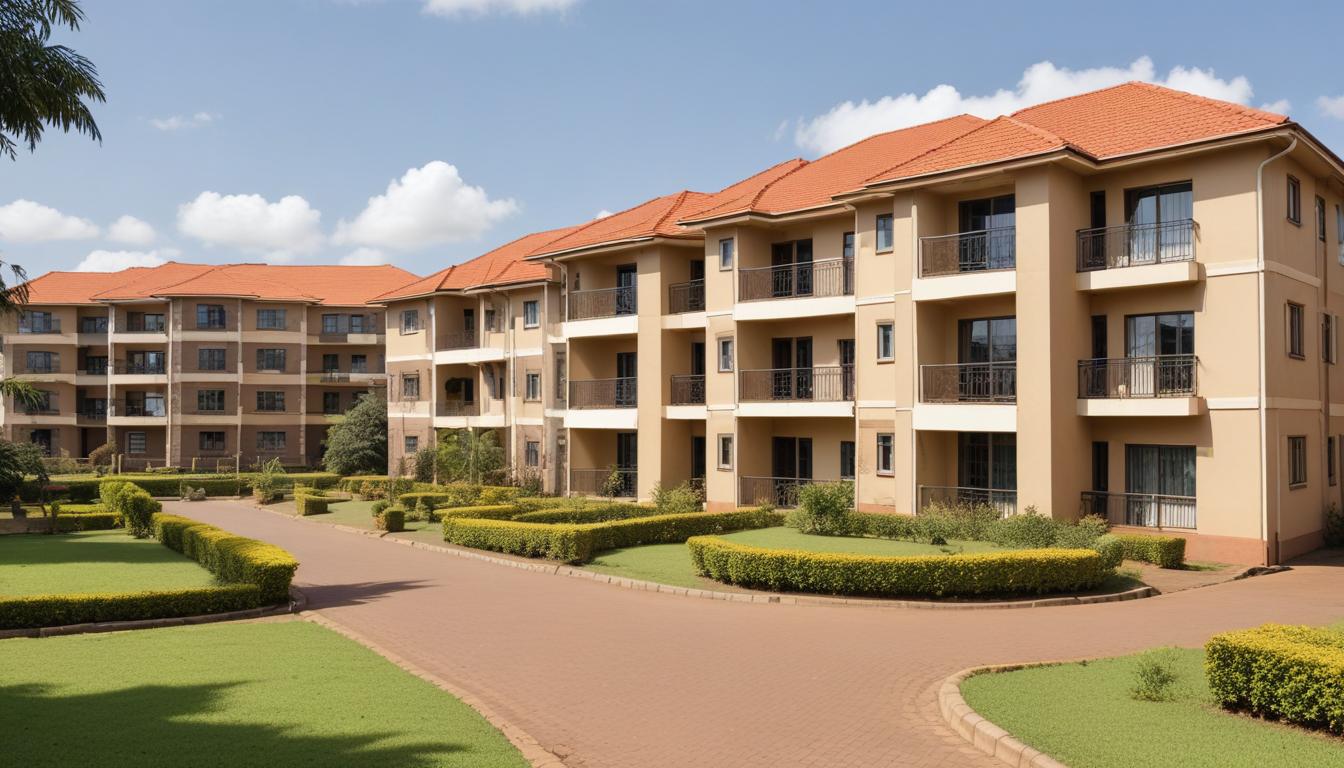
Recent property transactions in Westlands and Lavington reveal a market recalibrating toward selective demand and strategic pricing.
Recent property transactions in Westlands and Lavington reveal a market recalibrating toward selective demand and strategic pricing.
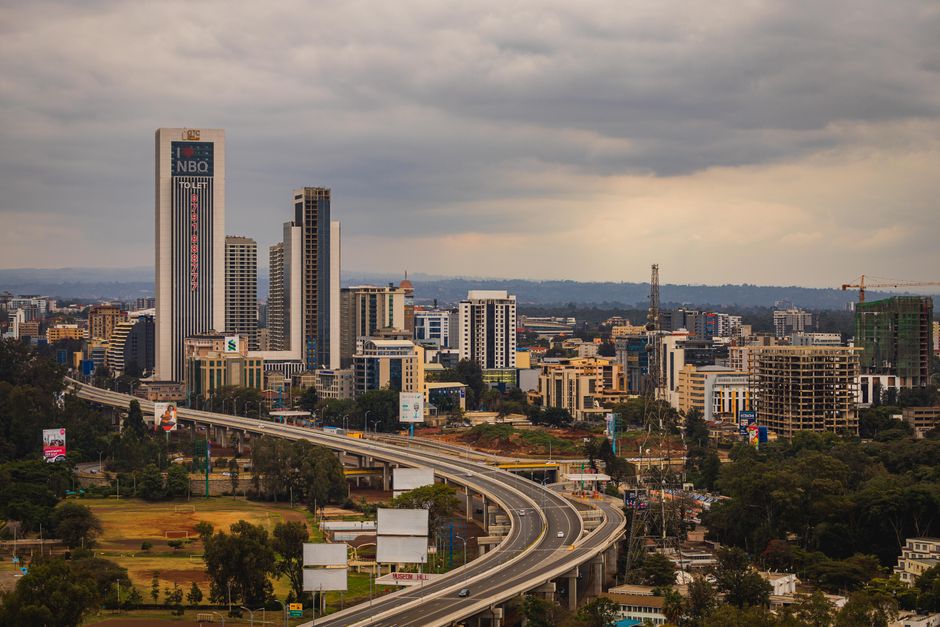
Nairobi's luxury property sector is sending mixed signals. While the broader market hovers around KES 15 million average valuations, high-end residential auctions and private sales in Westlands, Lavington, and the emerging Kileleshwa corridor paint a picture of a market in transition—one where trophy assets command premium prices, but selective buyer behaviour is reshaping expectations.
Recent auction outcomes suggest a bifurcated market. Properties listed above KES 200 million in established neighbourhoods like Muthaiga and along Riverside Drive continue to attract institutional and international interest, yet extended timelines between listing and sale indicate buyers are exercising caution. Data from the Kenya Property Developers Association shows that ultra-luxury residential (above KES 150 million) sales cycles have stretched from 4–6 months to 8–12 months over the past 18 months, a notable slowdown compared to pre-2024 patterns.
The story is different in transition zones. Properties in Kilimani and Ruaka—traditionally mid-market neighbourhoods—are seeing renewed activity as buyers recalibrate downward from Westlands' increasingly steep price points. A five-bedroom villa in Kilimani that would have commanded KES 120 million two years ago now realises closer to KES 85–95 million, suggesting price discovery at work rather than distress. Meanwhile, Syokimau and the outer growth corridors have attracted developer-led activity, with off-plan units priced KES 35–60 million attracting end-users and portfolio investors alike.
What auction houses and private dealers report is telling. Properties marketed with lifestyle narratives—proximity to Westlands' commercial nodes, views over the Nairobi skyline, proximity to international schools—are moving faster than comparable units framed purely on size or land area. This signals that Nairobi's high-net-worth buyers are prioritising accessibility, amenities, and narrative value over raw square footage.
The Kenya Revenue Authority's property transaction data also hints at compositional shifts. Transactions in the KES 80–150 million band have grown 23% year-on-year, while those above KES 250 million remain relatively flat, suggesting consolidation in the upper-middle luxury tier rather than explosive growth at the apex.
For investors and developers, the signal is clear: the days of unlimited upside in prestige neighbourhoods may be moderating. Success increasingly hinges on strategic positioning—whether that means calibrated pricing in established areas or building compelling narratives in emerging zones. Nairobi's luxury market isn't contracting; it's maturing.
This article was compiled by AI from the sources linked above and screened before publishing. See our editorial standards.
How does this story make you feel?
Spread the word
About this article
Published by The Daily Nairobi
Daily brief
Free, in your inbox before 7am. Weekdays.
More in Property