Nairobi's property market is sending mixed signals, and the auction results speak louder than sentiment. Recent months have seen high-value transactions—including land parcels fetching near $2 million in upper Westlands and Lavington—coexist with stubbornly low clearance rates across middle-income segments. The message is unmistakable: money is moving, but it is concentrating at the top.
The data paints a stark picture. Properties in established premium zones—Muthaiga, Nyari, the Upper Hill corridor—continue to command premiums, with per-square-metre rates hovering around KES 800,000 to 1.2 million. Yet the city's median sits at KES 15 million, a threshold that locks out a vast swathe of Nairobi's aspirant middle class. Auction clearance rates for residential units in the KES 8–12 million band have languished below 45% in recent quarters, suggesting sellers' expectations remain disconnected from buyer capacity.
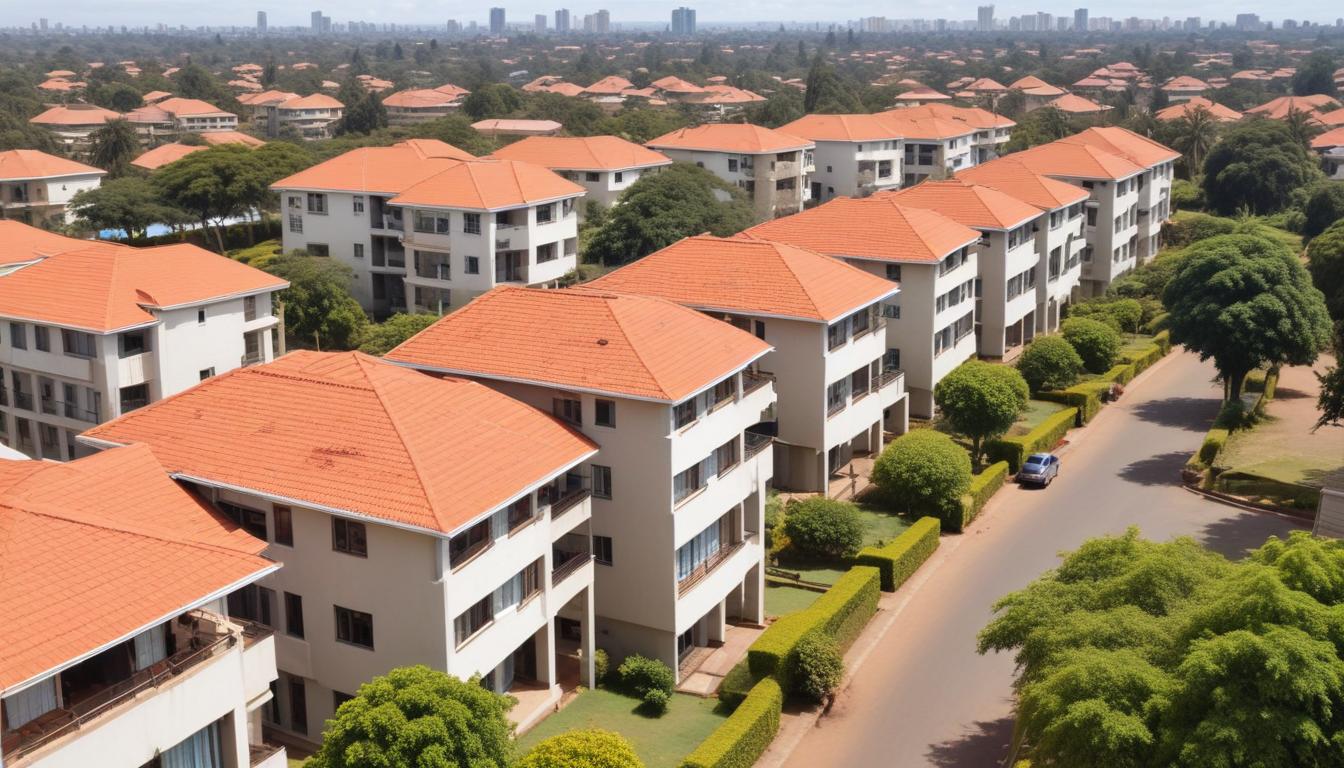
The growth corridors tell a different story. Ruaka, Syokimau, and the outer reaches of Kileleshwa and Kilimani have become de facto havens for price-sensitive buyers. Properties in these zones move faster, with clearance rates exceeding 60%, albeit at lower absolute values. A two-bedroom apartment in Syokimau now averages KES 6–7 million, compared to KES 18–22 million for equivalent space in Kilimani proper. Developers have taken note, redirecting capital toward these peripheries.
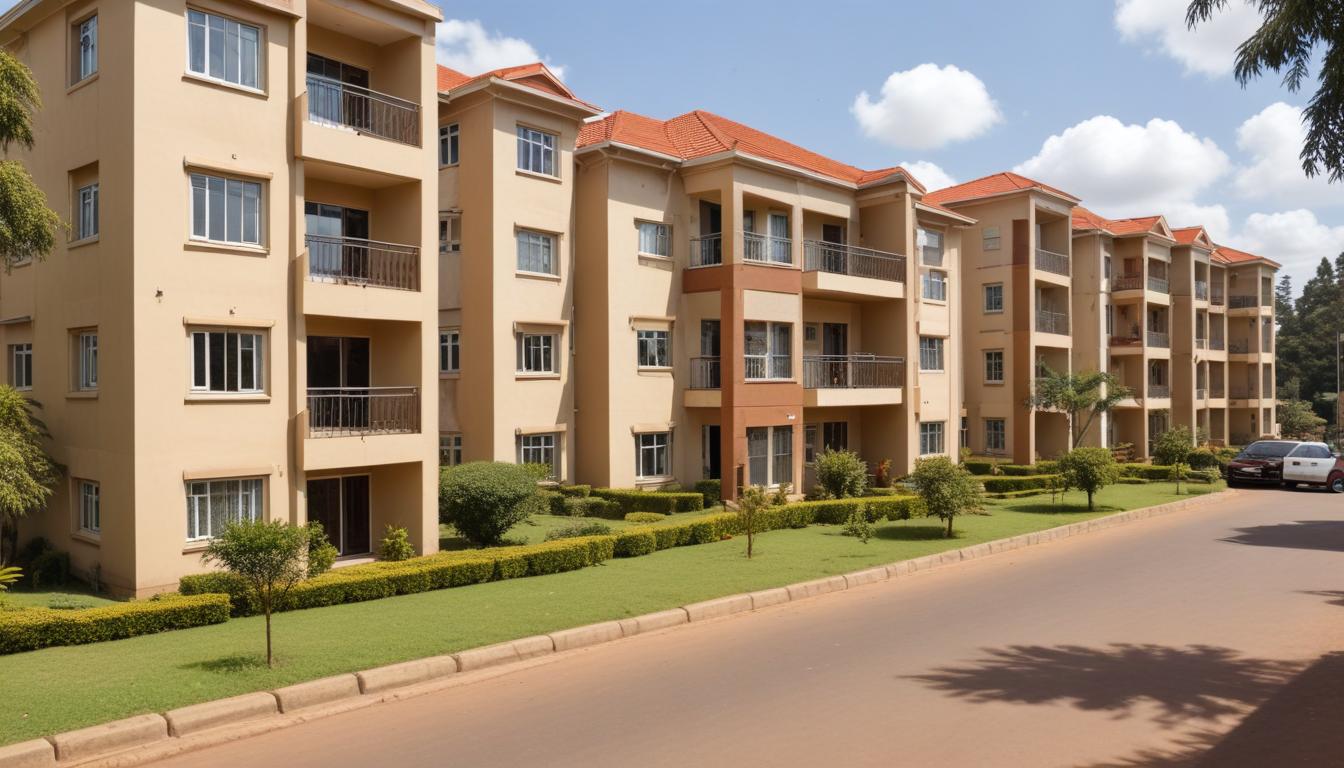
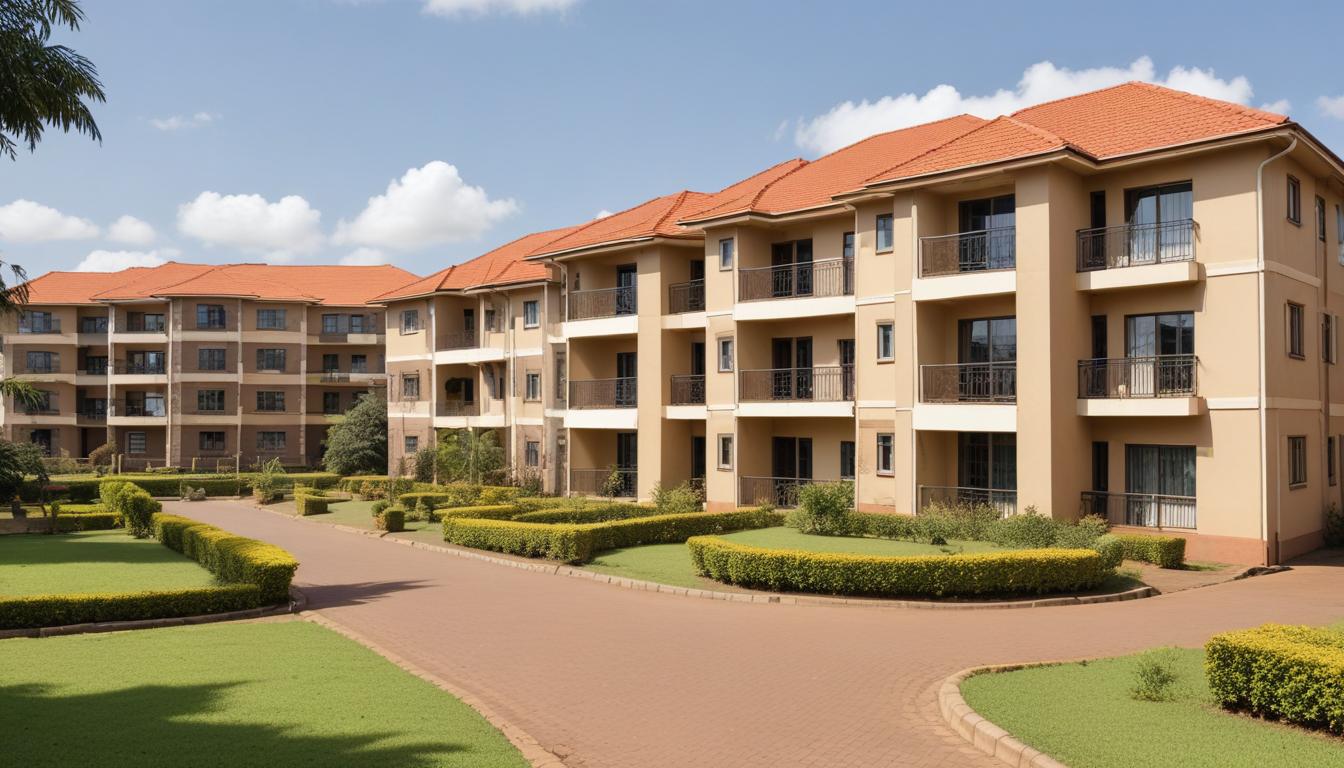
What the auction blocks reveal most starkly is a market fracturing along affordability lines. High-net-worth investors continue to park capital in blue-chip neighbourhoods—Westlands offices, Lavington estates, Upper Hill retail—treating property as a store of value rather than shelter. Meanwhile, first-time buyers and young families are being pushed outward, toward Nairobi's expanding fringe. The Kenya Property Developers Association has flagged this dynamic, noting that spec-built units in traditional middle-income belts are taking 18–24 months to sell, compared to 6–9 months in growth zones.
Rates and regulatory tightening have compounded affordability pressures. Mortgage costs, already steep relative to incomes, have not eased. Banks remain cautious on loan-to-value ratios, particularly for properties below KES 10 million. The result: cash-strapped buyers are either priced out entirely or forced into informal settlements and unregulated sub-divisions.
The signal is clear. Nairobi's property market is not broken, but it is bifurcating. Until mid-market supply and financing options improve materially, the affordability chasm will only widen—and auction results will continue to reward the wealthy while leaving the rest further behind.
This article was compiled by AI from the sources linked above and screened before publishing. See our editorial standards.